KH
KH  FR
FR  AR
AR CN
CNCambodia’s Anti-Fake News Drive Reaches 1,500 Students in Kampong Speu
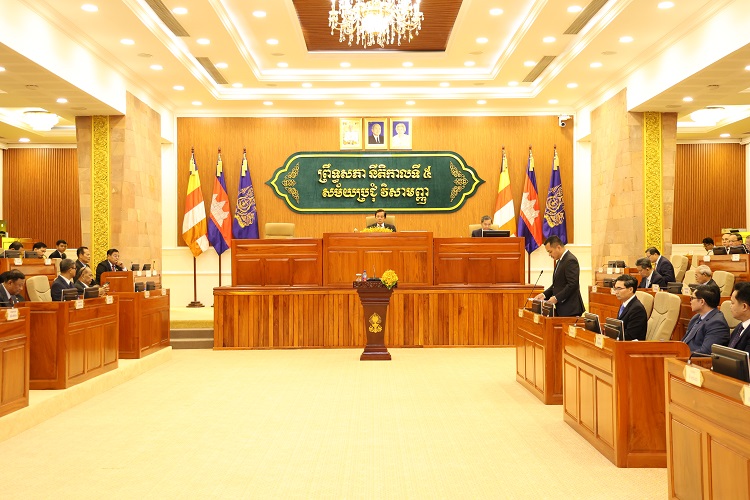
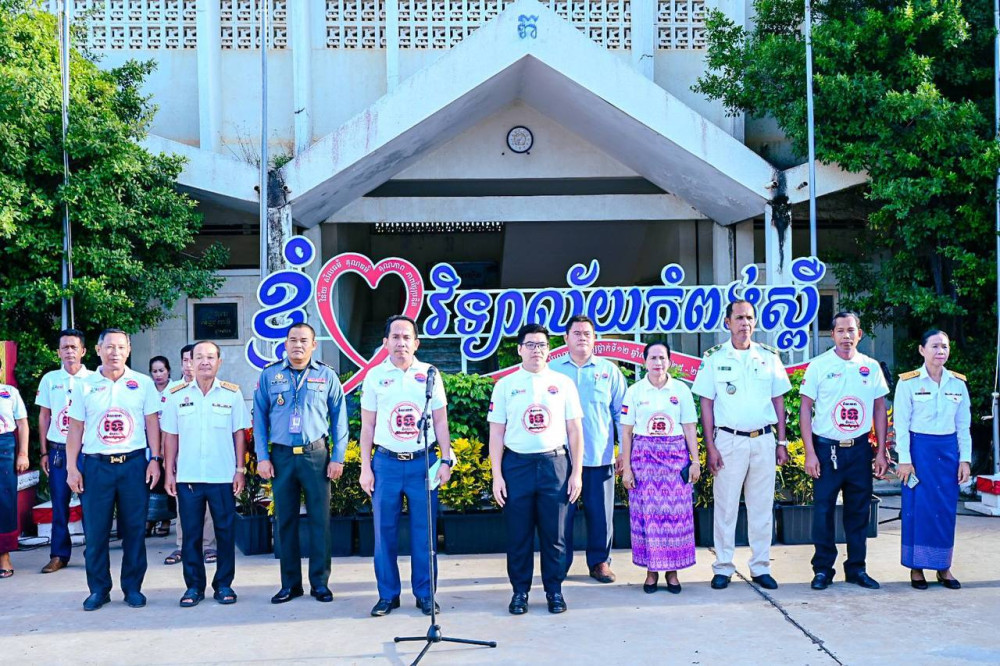
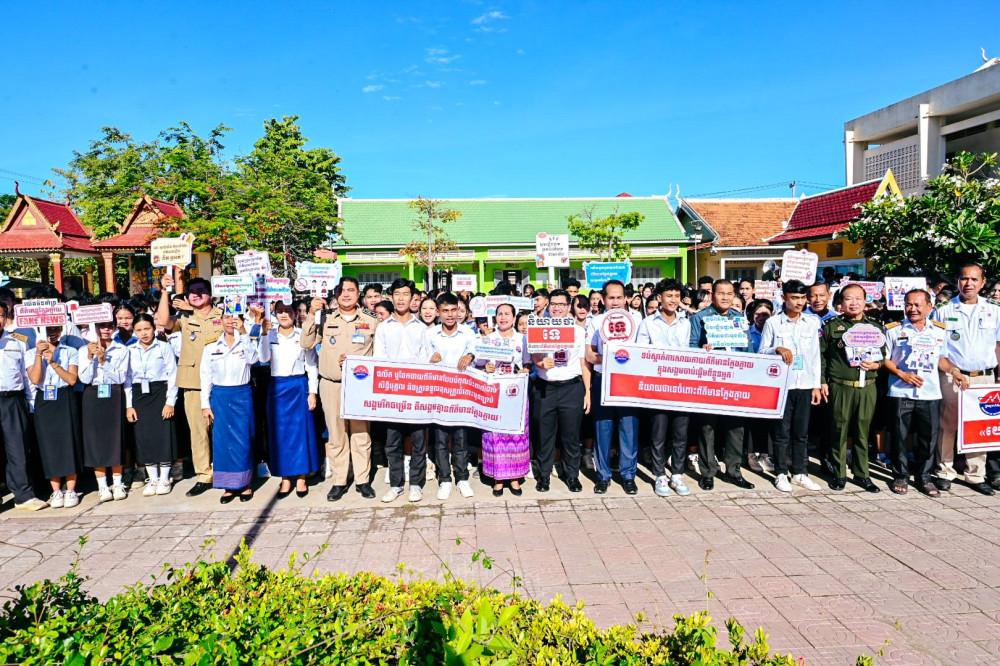
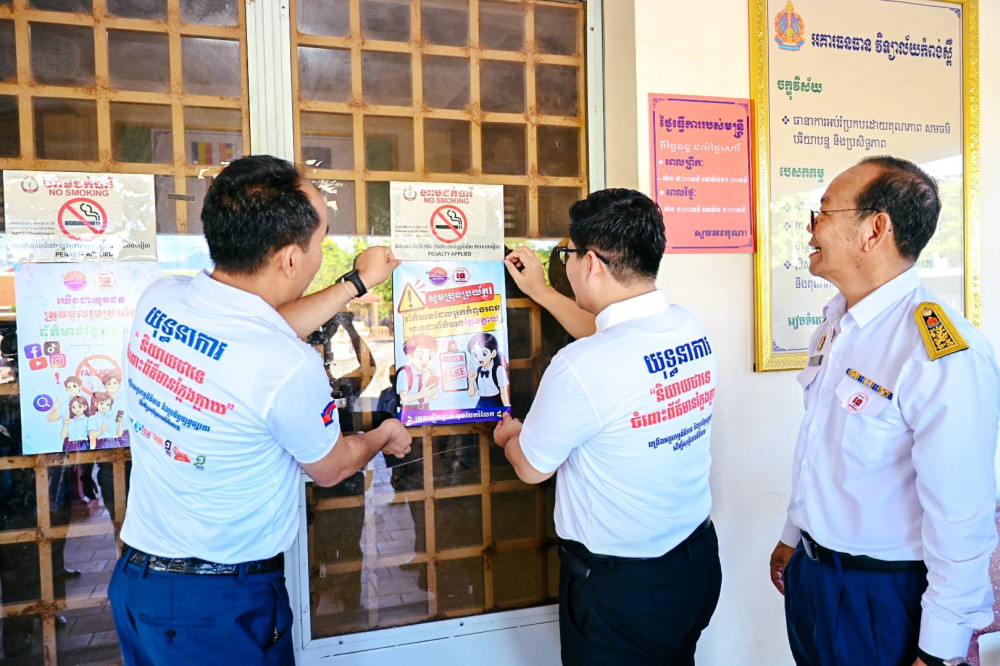
AKP Phnom Penh, June 16, 2026 -- Cambodia’s Ministry of Information on Tuesday extended its nationwide "Say No to Fake News" campaign to Kampong Speu province, gathering more than 1,500 students for an educational drive aimed at bolstering digital literacy among youth.
The event, marking the second phase of the Royal Government’s anti-disinformation initiative, was held at Kampong Speu High School in Chbar Mon city. It was co-chaired by H.E. Sles Alfin, Undersecretary of State at the Ministry of Information, and Mr. Horn Pheakdey, Deputy Governor of Kampong Speu province, alongside local officials, educators, and representatives from the armed forces.
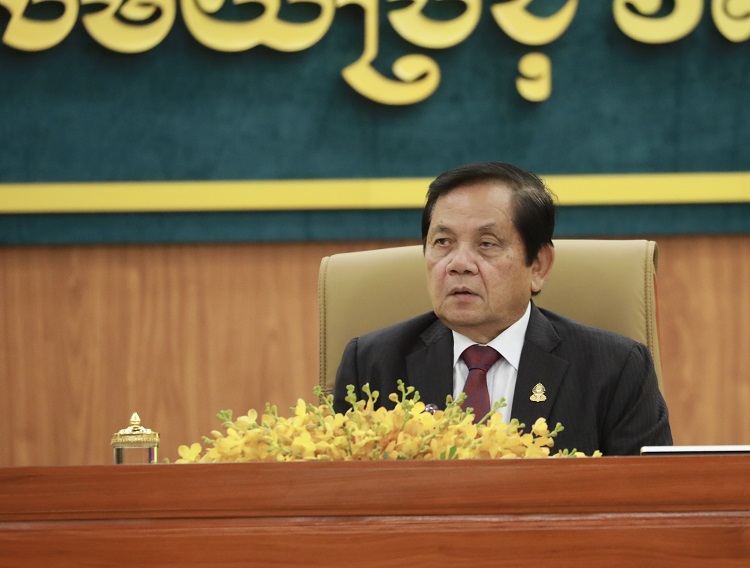
Speaking at the gathering, Deputy Governor Horn Pheakdey commended the Ministry of Information for focusing its awareness campaign on young citizens. He urged students to exercise extreme caution and think critically before consuming or sharing content on social media platforms.
"We must verify information before clicking 'share' to avoid falling into the traps of malicious actors who intend to poison our social environment," he said. "As the next generation, you must help spread this awareness to your families and peers to mitigate the chaos caused by disinformation."
The Deputy Governor also addressed cultural preservation online, urging students to refrain from using chat abbreviations and slang on social media.
He emphasised the importance of using proper Khmer orthography and grammar to protect the national identity and linguistic heritage.
For his part, Ministry of Information Undersecretary of State H.E. Sles Alfin emphasised that the campaign goes beyond warning against the dangers of fake news. It aims to ensure that the younger generation is fully equipped with an understanding of digital rights, cyber safety, and relevant legal frameworks through Media and Information Literacy (MIL).
"Information literacy is the capacity to critically use, create, analyse, and evaluate data," H.E. Sles Alfin stated. "This knowledge serves as the strongest vaccine protecting individuals and society as a whole from the contagion of fake news."
He further encouraged students to drop negative online behaviours, manage their smartphone screen time to prevent digital addiction, and maintain focus on their academic productivity. Additionally, he called on the youth to act as "peer educators" by sharing these digital safety tools with parents and elderly relatives who are often more vulnerable to online scams and misinformation.
The "Say No to Fake News" initiative transitioned into its second phase on May 18, 2026, following the successful completion of its pilot phase.
Operating under the official theme "Promoting Media and Information Literacy for Information Safety," the strategic campaign is scheduled to be rolled out across educational institutions nationwide over the course of one year.
By K. Rithy Reak