KH
KH  FR
FR  AR
AR CN
CNCambodian Information Minister Rejects Thai Border Incursion, Says Military Force Cannot Establish Legal Sovereignty
AKP Phnom Penh, August 18, 2026 --
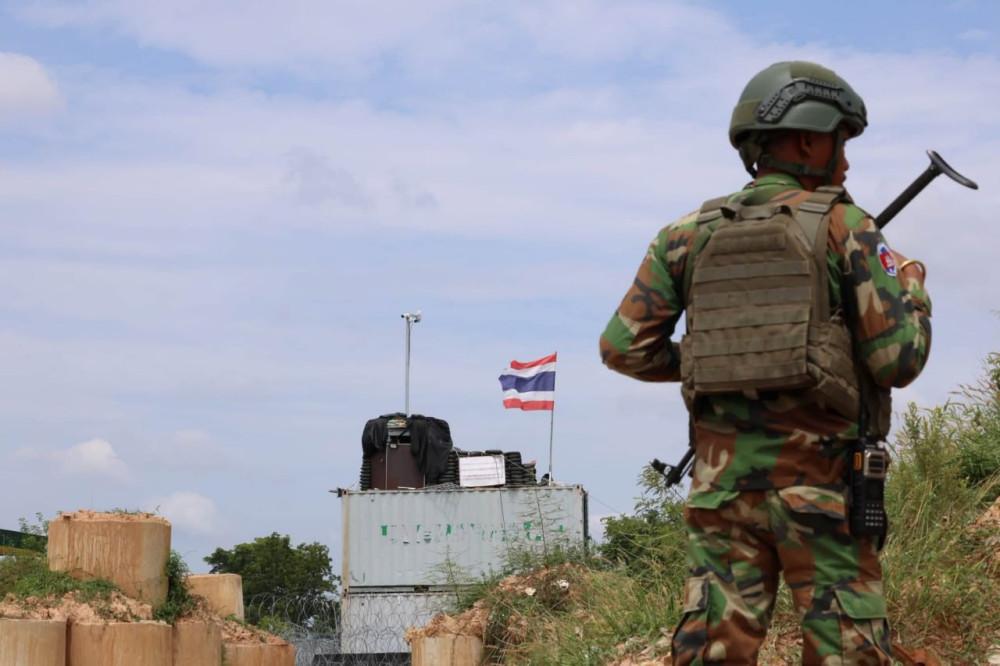
Information Minister H.E. Neth Pheaktra emphasised Tuesday that physical military control over a territory does not constitute legal sovereignty under international law, pointing to ongoing border actions by the Thai military.
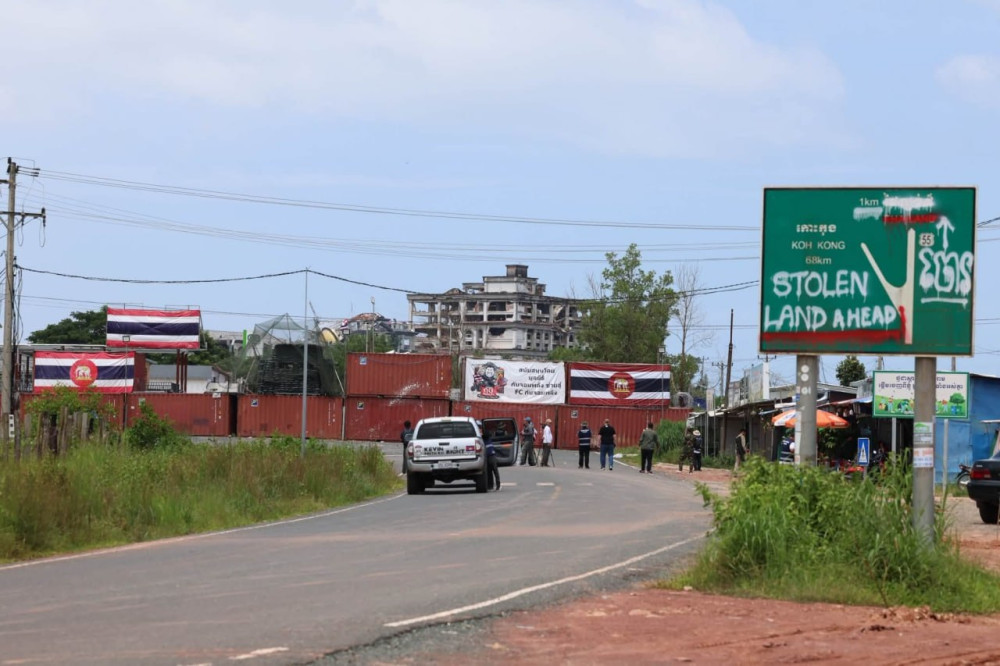
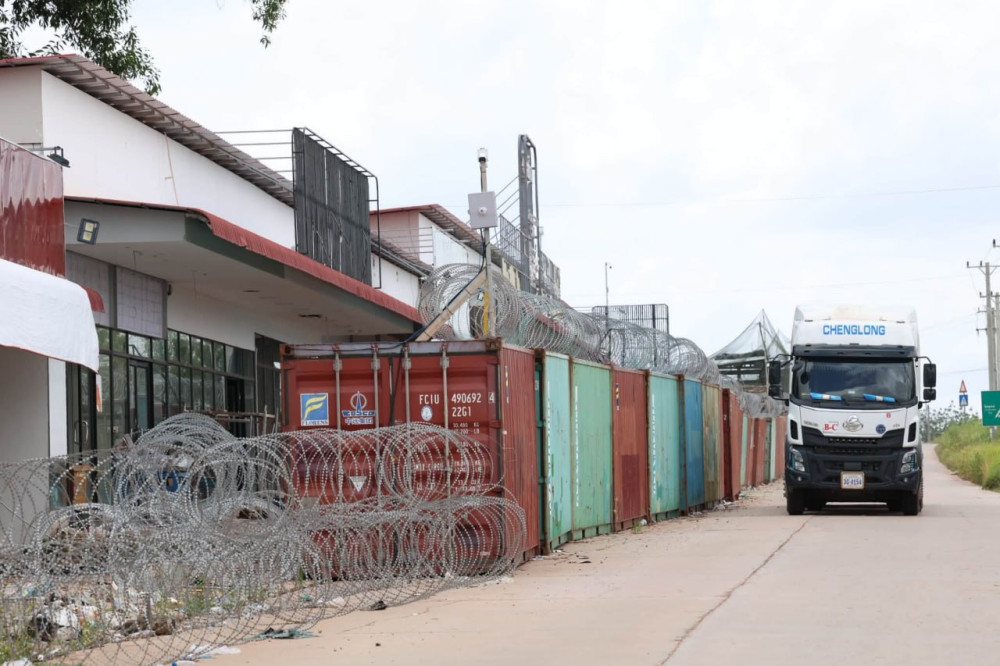
Writing on his official Facebook page, the Minister drew a clear distinction between "de facto control" and "legitimate sovereignty," stating that armed actions such as laying barbed wire, placing shipping containers, digging trenches, or blocking residents from their land cannot transform military occupation into legal ownership.
"If the presence of Thai military forces at any location is proven by evidence to be within Cambodian territory, controlling that location by force cannot establish sovereign rights for Thailand," H.E. Pheaktra said. "Force can change who is standing on the land, but it cannot change who holds the legal right to it."
He cited Article 2(4) of the UN Charter and UN General Assembly Resolution 2625 (XXV) from 1970, which explicitly prohibit the acquisition of territory through the threat or use of force.
Referring to past territorial disputes, H.E. Pheaktra highlighted the International Court of Justice (ICJ) rulings in 1962 and 2013 concerning the Preah Vihear Temple. The court determined the temple and its surrounding promontory sit under Cambodian sovereignty, ordering Thai forces to withdraw.
"Barbed wire is not a border line, containers are not border posts, trenches are not treaties, and military presence is not a title deed," the Minister stressed, urging that border disputes be settled strictly through treaties, maps, legal documents, and peaceful dispute mechanisms rather than attempts to create faits accomplis on the ground.
H.E. Neth Pheaktra concluded that defending these principles protects both Cambodian territorial integrity and the fundamental rules-based international order.
By K. Rithy Reak