KH
KH  FR
FR  AR
AR CN
CNCambodian PM Stresses Crucial Role of Youth in National Development
AKP Phnom Penh, July 13, 2026-—
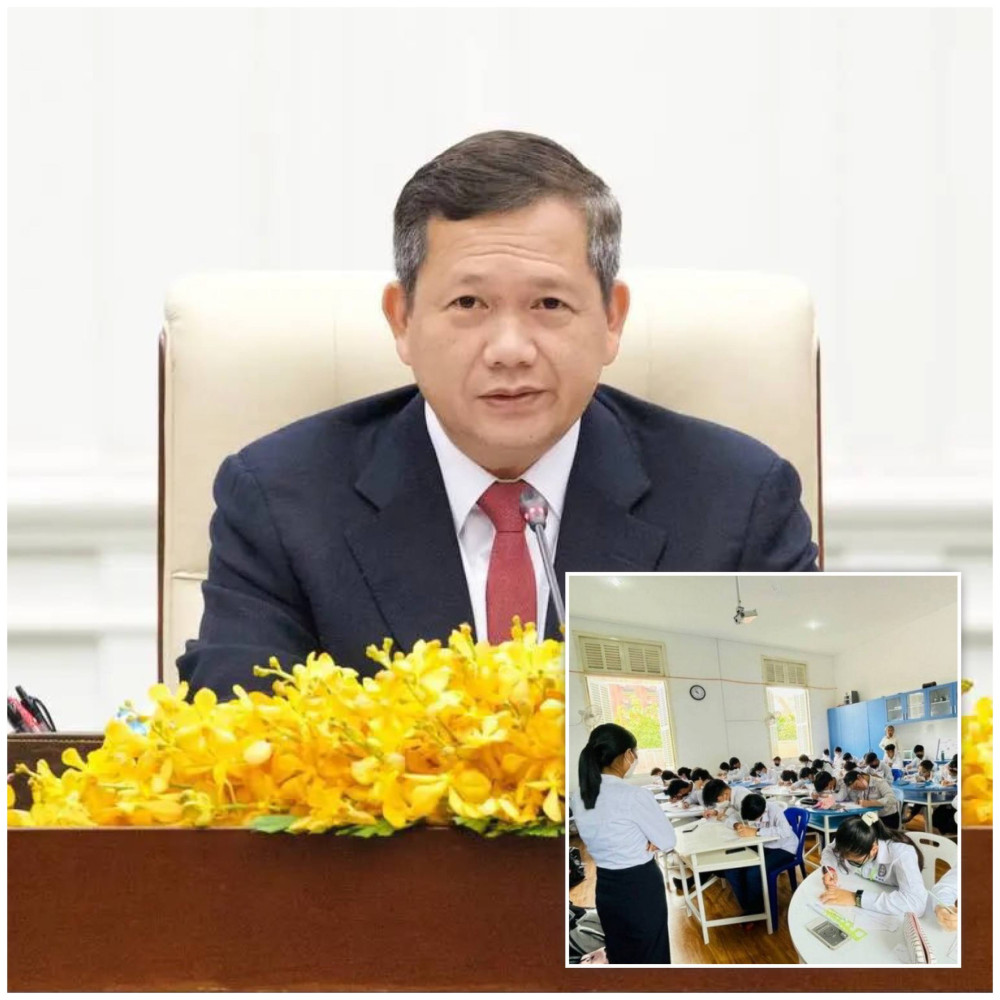
Sustainable national development cannot be achieved without the active participation of youth, who serve as a vital driving force for the nation's future, Cambodian Prime Minister Samdech Moha Borvor Thipadei Hun Manet said in a statement released Monday.
In a message marking the 37th World Population Day, celebrated under the theme "Realizing the hopes and aspirations of young people - today and futures," Samdech Thipadei Hun Manet emphasized that the aspirations of the younger generation are central to building a peaceful, equitable, and prosperous society.
The prime minister highlighted that Cambodia is currently experiencing a prime "demographic dividend," with young people and the working-age population making up the largest share of the country's demographics.
He noted that this window offers a critical opportunity to boost economic growth, increase productivity, and strengthen long-term development foundations.
However, Samdech Hun Manet warned that these benefits are not automatic.
"This demographic dividend will only become a true national strength if we invest properly in our people," the prime minister said. He stressed the need for targeted investments in education, vocational skills, comprehensive healthcare—including reproductive, sexual, and mental health—job creation, gender equality, and a supportive social environment.
Citing data from the 2024 Cambodia Inter-Censal Population Survey, the prime minister noted that the country's population has reached 17.3 million. Of the total population, 26.8% are under the age of 15, 34.6% are aged 15–34, 32.1% are aged 35–64, and 6.5% are aged 65 and older.
Samdech Thipadei Hun Manet concluded by stating that population dynamics are directly linked to the quality of human resources, labour market stability, public service delivery, and future social security. He urged policymakers to rely on accurate, timely, and actionable data to ensure that Cambodia's development remains inclusive and sustainable, ensuring that "no one is left behind."
By K. Rithy Reak