KH
KH  FR
FR  AR
AR CN
CNCambodia’s Boeung Chhmar Ramsar Site Stands as an Unbroken Lifeline for Migratory Birds
AKP Phnom Penh, May 11, 2026 --
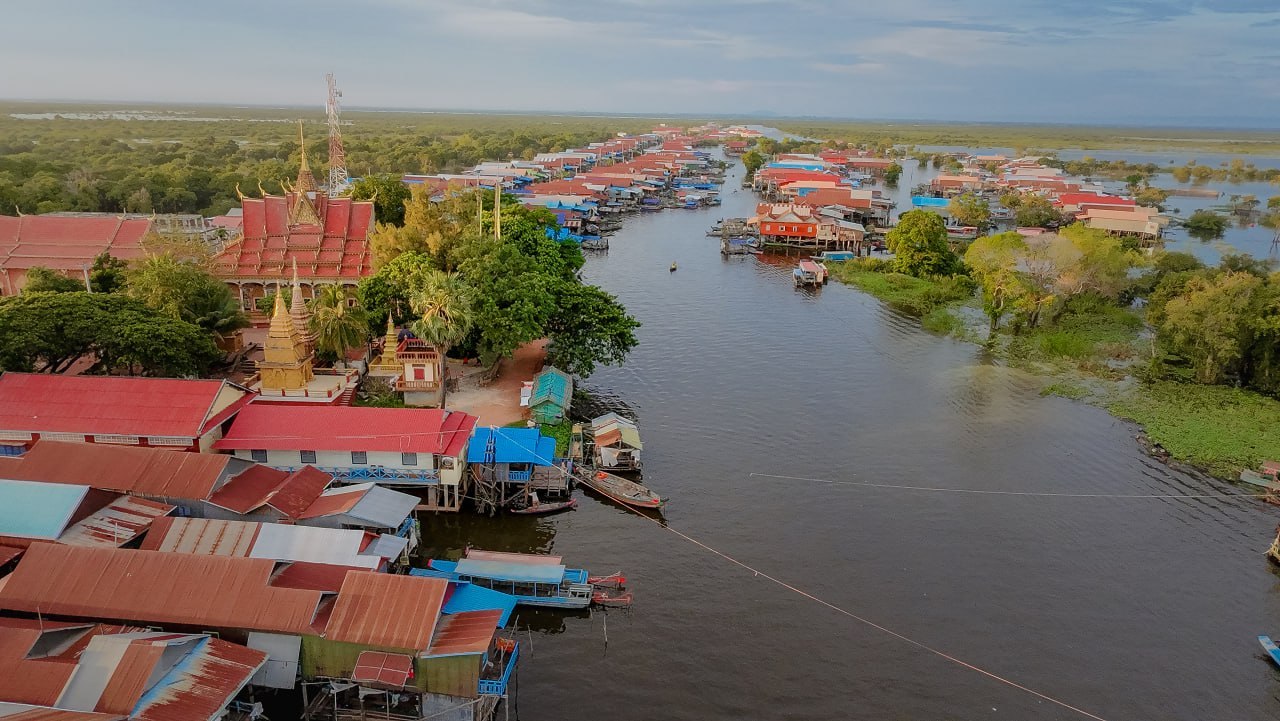
In the heart of central Cambodia, the Boeung Chhmar Ramsar site remains an indomitable sanctuary for migratory birds, defying regional environmental pressures.
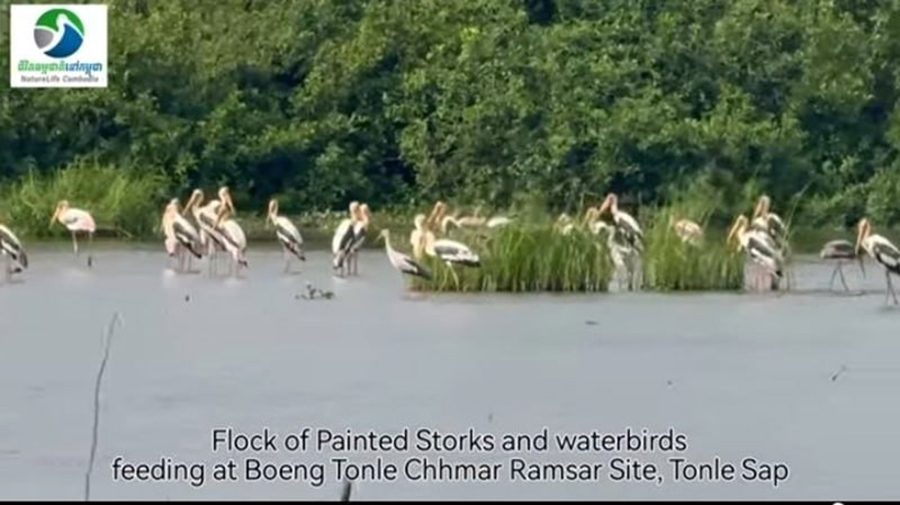
Conservationists reported Monday that large flocks of Painted Storks and other waterbirds continue to thrive across the sprawling wetlands of the Tonle Sap biosphere.
“Recent sightings of foraging flocks underscore the site’s immense ecological significance,” said NatureLife Cambodia, highlighting the area’s enduring natural beauty.
Located in Kampong Thom province, Boeung Chhmar holds international recognition as a wetland of importance under the Ramsar Convention. Each dry season, as floodwaters recede, its vast floodplains transform into critical feeding and resting grounds for both resident and migratory species—including several that are rare and endangered.
Beyond avian life, the region’s lush flooded forests serve as vital breeding grounds and nurseries for a wide array of fish species. Experts say the site holds untapped potential for eco-tourism, from birdwatching and wildlife photography to scientific research.
Yet this ecological treasure faces mounting pressure. Environmental advocates are now calling for urgent public awareness and active community participation in its protection. Preserving Boeung Chhmar, they argue, is non-negotiable—not only for the biodiversity of the Tonle Sap lake but for the natural inheritance of future generations.
By K. Rithy Reak