KH
KH  FR
FR  AR
AR CN
CNVirachey National Park, an Untouched Haven for Biodiversity
AKP Phnom Penh, January 21, 2025 —
The first comprehensive biodiversity survey of Virachey National Park, Cambodia, has revealed the vast array of species relying on the remote protected area, a critical step in strengthening the protection of this ecosystem.
According to a recent joint press release, in good collaboration between Fauna & Flora, with Cambodia’s Ministry of Environment, and communities local to the park, the survey confirmed the presence of many threatened species, such as the red-shanked douc langur, Sunda pangolin, clouded leopard, dhole and sun bear.
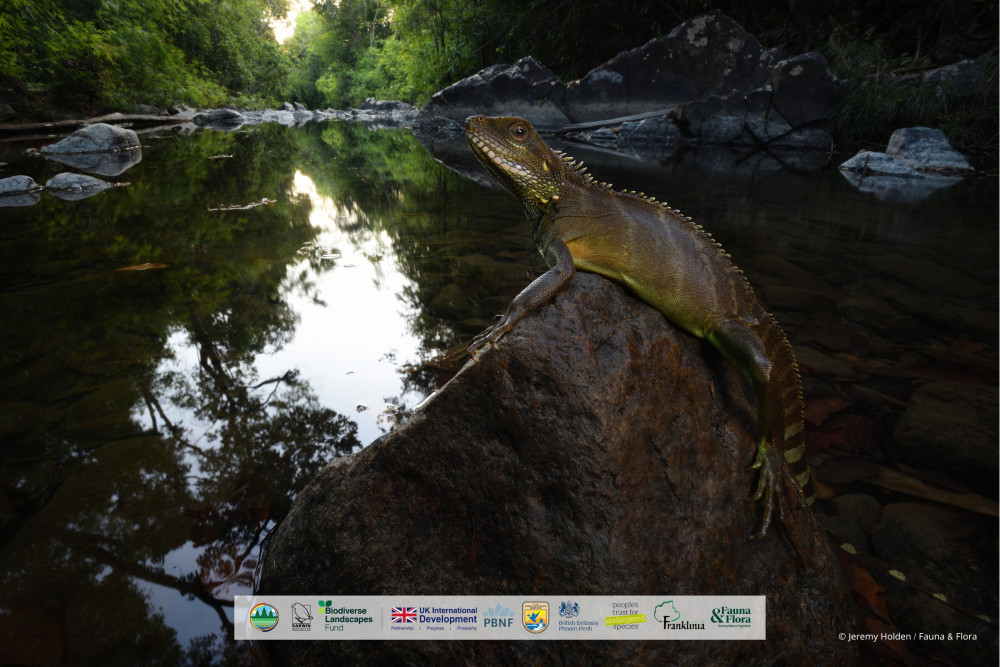
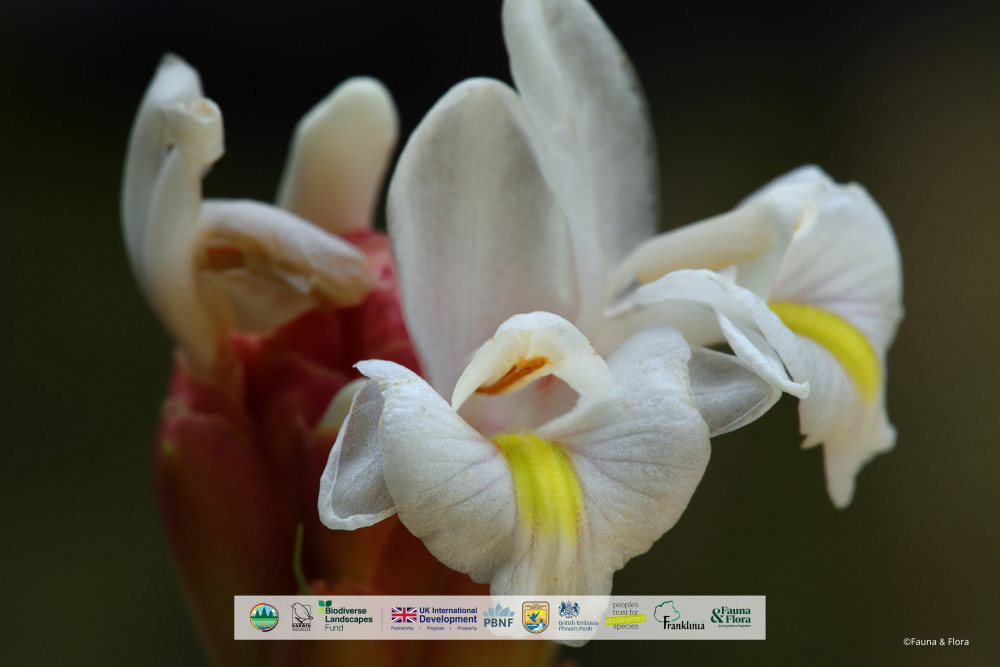
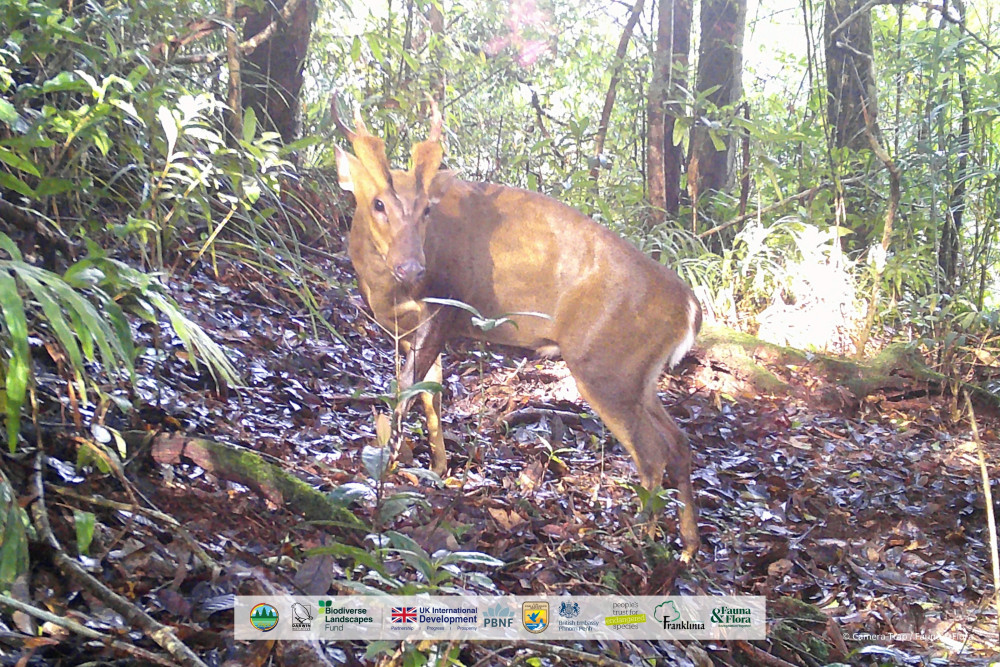
The survey also recorded a number of species for the first time in Cambodia, including the critically endangered large-antlered muntjac, two bat species, a species of glass lizard, a gecko, a flamboyant edible mushroom and three plant species (an orchid, an arum and a ginger).
In addition, three species of frog recorded during the survey had only been seen in Cambodia once, and two of these had never been seen as adults.
Virachey National Park is a relatively untouched haven for biodiversity with an area of approximately 110,000 hectares through Laos, Vietnam and northeast Cambodia and is home to a vast range of species found nowhere else in the world – many of which are yet to be discovered.
H.E. Dr. Eang Sophalleth, Cambodian Minister of Environment, highlighted the importance of the biodiversity survey work as laid out in the Circular Strategy on Environment 2023-2028, remarking: “The results of the Virachey biodiversity survey reveal the profound richness and importance of this protected area, reminding us of our duty to safeguard such irreplaceable ecosystems. Virachey’s remoteness had made access to study its biodiversity challenging. But thanks to the dedication and team work of Ministry of Environment rangers and staff, Fauna & Flora researchers, and local communities, we now have the most comprehensive overview of the National Park’s wildlife. These findings will be invaluable to inform the sustainable and effective management of the protected area in years to come. Together, we are committed to protecting Virachey’s natural legacy for the prosperity of future generations and the health of our environment.”
Pablo Sinovas, Country Director, Fauna & Flora Cambodia Programme, comments: “Virachey National Park is a truly sensational biodiversity hotspot, home to rare and unique species, some not found anywhere else in Cambodia or the world. But it faces a range of threats including deforestation, forest degradation, habitat fragmentation and snaring. These challenges are not only detrimental to the wildlife of the park, but to the livelihoods of the people living in and around this area – many of whom depend heavily on forest resources.”
“Fauna & Flora is working to strengthen the management of Virachey National Park and to support indigenous peoples and local communities living near the park to ensure that the forest is adequately protected in a way that benefits both people and nature. The biodiversity data we have collected over the past three years is critical to this work; with a better understanding of what species live in the park and where, and what the current threats to them are, we can better design targeted conservation strategies and inform the management of the protected area, while helping indigenous communities continue to use non-timber forest products sustainably.”
Despite its size and strategic importance, Virachey National Park has been relatively understudied, mainly due to the difficulty of accessing much of the park. The new survey used a range of techniques and technology to overcome the challenge of recording rare and elusive wildlife in remote environments.
“Virachey National Park – is an incredibly important area for nature, people and climate. Vast amounts of carbon are stored in these precious, transboundary forest ecosystems, playing a vital role in mitigating climate change.
It is therefore essential that we continue to work with our partners and with local communities to help ensure this biodiversity hotspot can be preserved for generations to come,” Pablo continued.
The Virachey National Park biodiversity survey was funded by the Darwin Initiative, the British Embassy in Phnom Penh, Franklinia, U.S. Fish and Wildlife Service, Critical Ecosystem Partnership Fund and Prince Bernhard Nature Fund. This activity is financially supported by Biodiverse Landscapes Fund (BLF) Lower Mekong Landscape project, funded by the UK International Development.”
By C. Nika