KH
 FR
 AR
 CN
Cambodia Vows to Uphold Kuala Lumpur Peace Accords on First Anniversary
AKP Phnom Penh, October 26, 2026 --
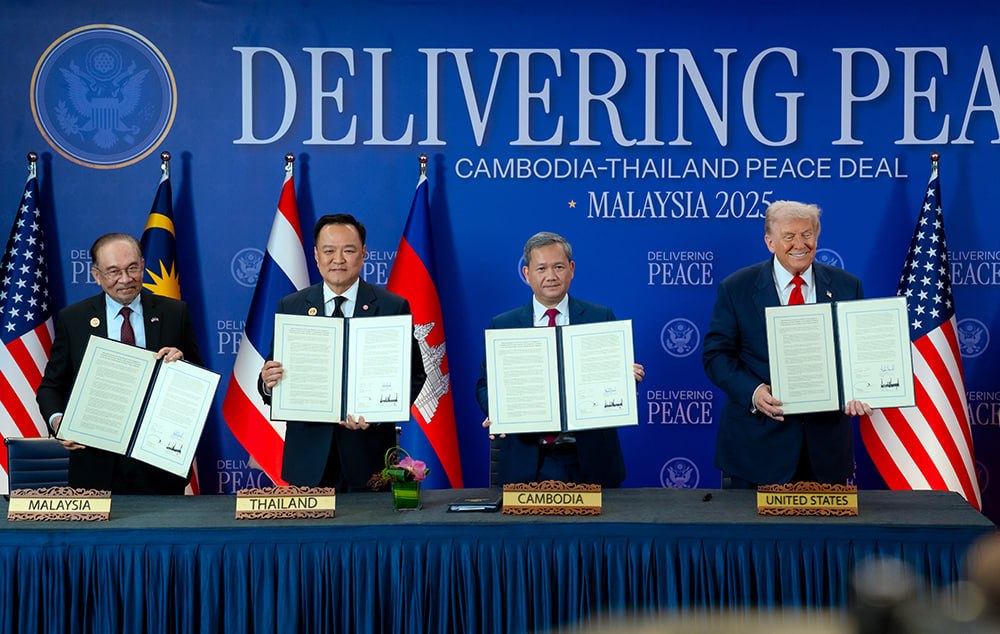
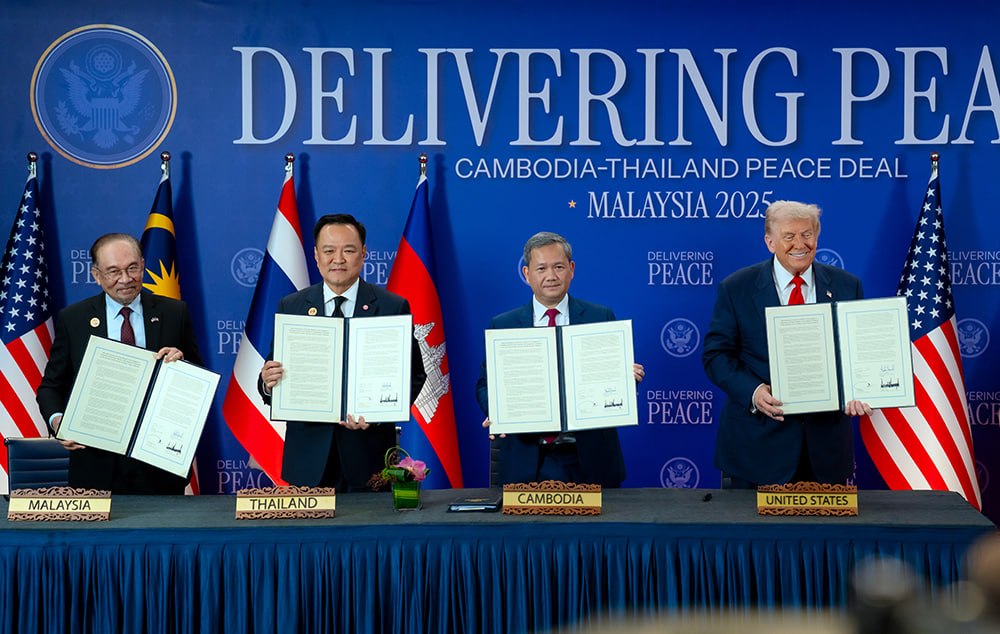
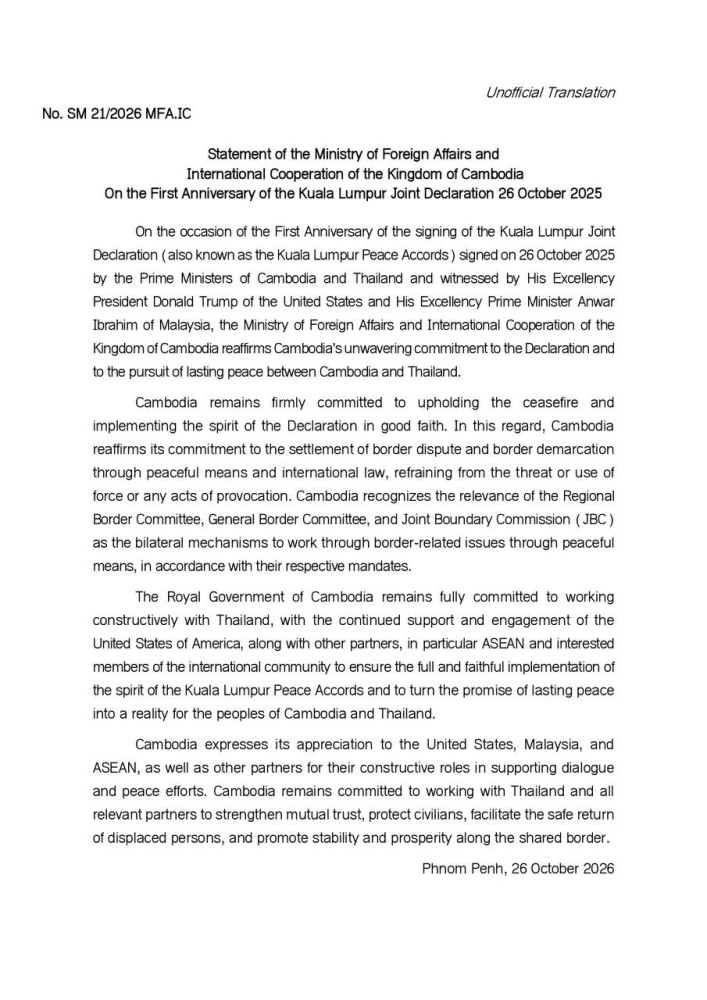
The Ministry of Foreign Affairs and International Cooperation of Cambodia has reaffirmed the Kingdom’s unwavering commitment to the Kuala Lumpur Joint Declaration, also known as the Kuala Lumpur Peace Accords, and to pursuing lasting peace between Cambodia and Thailand on the first anniversary of the agreement.
In a statement issued on Oct. 26, the Ministry recalled that the declaration was signed on Oct. 26, 2025 by the Prime Ministers of Cambodia and Thailand, in the presence of U.S. President Donald Trump and Malaysian Prime Minister Anwar Ibrahim.
Cambodia reiterated its firm commitment to upholding the ceasefire and implementing the spirit of the declaration in good faith. It also reaffirmed its commitment to resolving border disputes and demarcating the boundary through peaceful means and in accordance with international law, while refraining from the threat or use of force and any acts of provocation.
The statement underscored the importance of bilateral mechanisms, including the Regional Border Committee (RBC), General Border Committee (GBC) and Joint Boundary Commission (JBC), in addressing border-related issues peacefully and in accordance with their respective mandates.
The Royal Government of Cambodia remains fully committed to working constructively with Thailand, with continued support and engagement from the United States and other partners, particularly ASEAN and interested members of the international community, to ensure the full and faithful implementation of the spirit of the Kuala Lumpur Peace Accords.
The Ministry stressed the importance of turning the promise of lasting peace into reality for the peoples of both countries.
Cambodia also expressed appreciation to the United States, Malaysia, ASEAN and other partners for their constructive roles in supporting dialogue and peace efforts. It reaffirmed its readiness to work with Thailand and all relevant partners to strengthen mutual trust, protect civilians, facilitate the safe return of displaced persons, and promote stability and prosperity along the shared border.
By C. Nika