KH
KH  FR
FR  AR
AR CN
CNOPINION: Integrating Culture and Education for Cambodia’s Future Development
AKP Phnom Penh, April 10, 2026 --
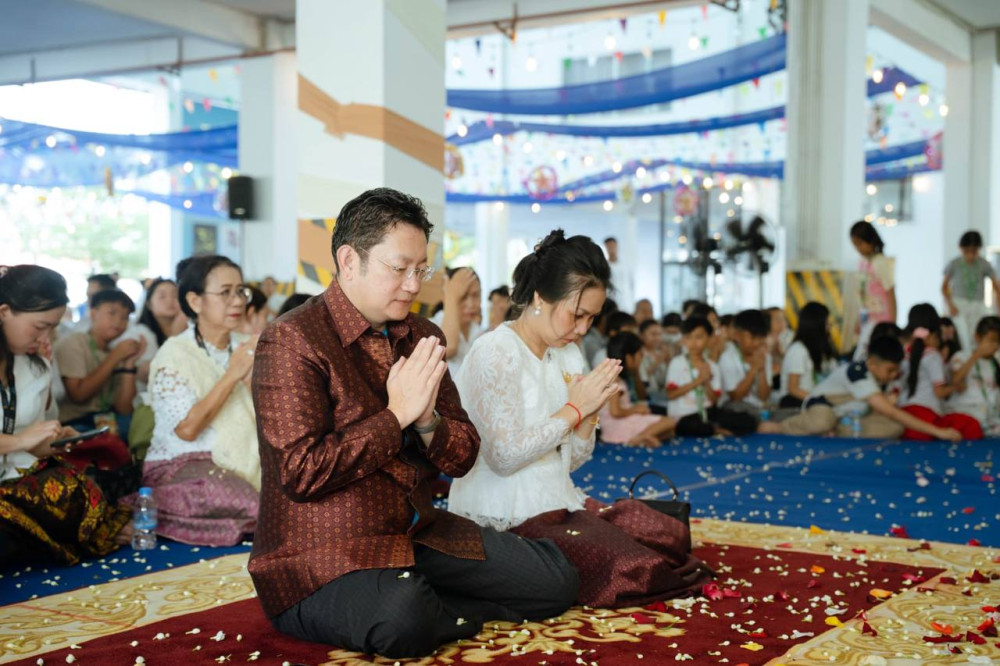
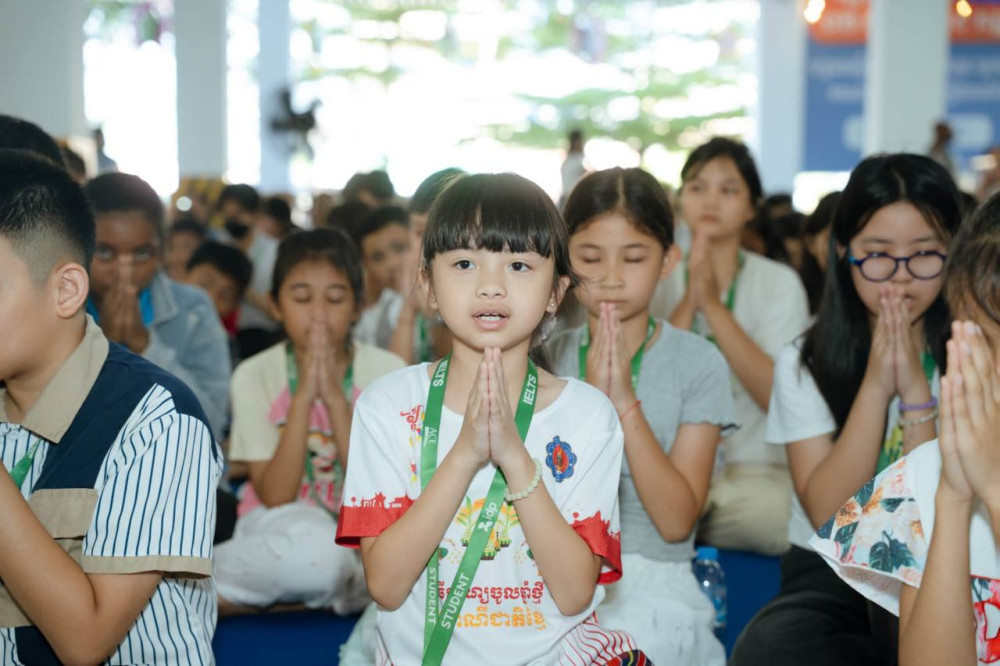
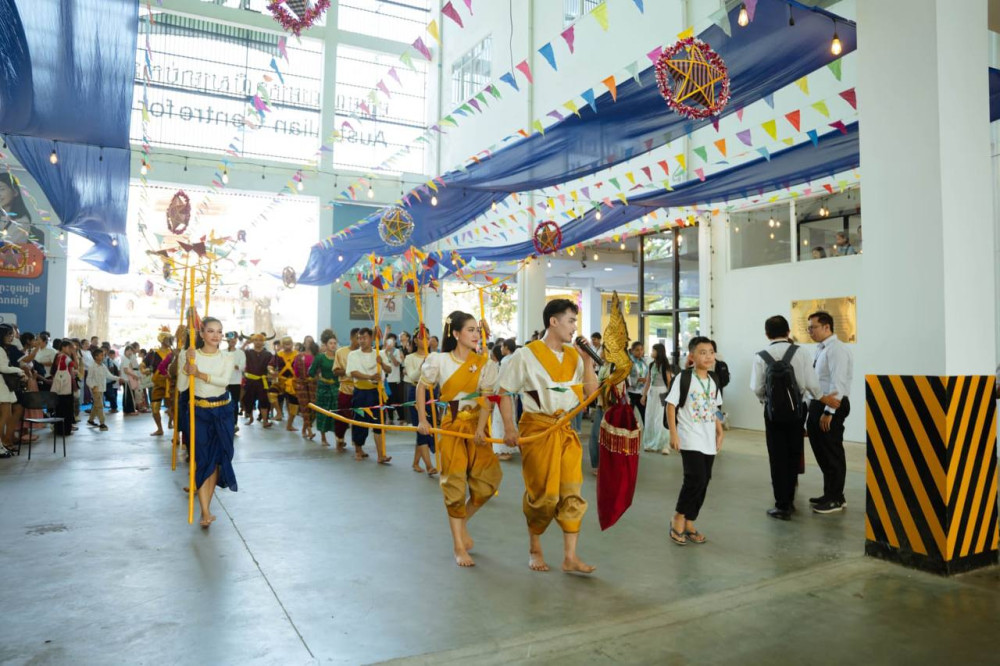
The recent Khmer New Year celebration at the Australian Centre for Education (ACE) in Phnom Penh highlighted a vibrant display of Cambodia’s cultural heritage and community spirit.
Held at the Chak Angre campus, the event brought together students, educators, parents, alumni, and members of the public in a shared celebration.
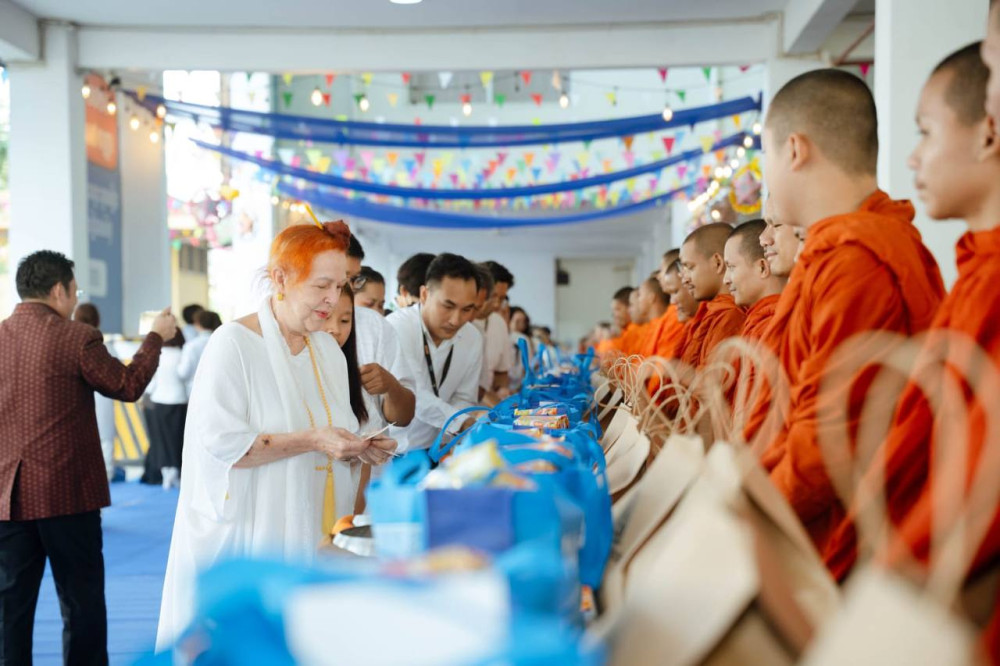
The program began with a friendship breakfast featuring 10 varieties of Nom Banh Chok, representing the culinary diversity of Cambodia’s provinces. This was followed by a traditional blessing ceremony conducted by monks, and a food offering to 80 monks, reflecting deeply rooted Buddhist values.
The celebration concluded with a Trot dance performance by a professional team from the Royal University of Fine Arts, showcasing Cambodia’s rich performing arts traditions.
In addition, ACE marked the occasion through the distribution of 10,000 traditional Khmer rice cakes (Num Ansom) and other delicacies, reinforcing the spirit of sharing and community engagement during the festive season.
ACE is recognized as one of the largest language education providers globally, with more than 100,000 enrolments annually from learners representing over 30 nationalities. It has also been acknowledged internationally as one of the best language schools in the world, reflecting its commitment to quality, innovation, and global standards in education.
Such initiatives go beyond celebration. They reflect a broader opportunity to integrate Cambodia’s cultural heritage into modern education and national development strategies.
In a rapidly evolving global landscape, education systems must equip learners with the skills needed for competitiveness, particularly in language proficiency, digital literacy, and professional capabilities, while also preserving national identity. Cambodia’s development pathway requires this balance to ensure that progress remains inclusive and culturally grounded.
Cultural practices embedded in educational settings can also contribute to economic development.
Cambodian cuisine, for instance, holds significant potential as a form of cultural diplomacy. Dishes such as Nom Banh Chok represent not only culinary traditions but also an opportunity to promote Cambodia internationally. Their regional diversity reflects local identity and, if effectively promoted, could support tourism development and strengthen small and medium-sized enterprises (SMEs) across provinces.
Similarly, traditional foods such as Num Ansom symbolize the Cambodian value of sharing and generosity. At the same time, they can be positioned as signature cultural products for major celebrations and events, contributing to the growth of Cambodia’s creative and cultural economy.
The inclusion of religious and community-based practices, such as offerings to monks, further reinforces social values of respect, unity, and collective responsibility. These values remain essential as Cambodia advances toward its long-term development goals.
At the same time, education delivery continues to evolve with the advancement of technology. While digital transformation is expanding access to learning, it is equally important to maintain human-centered experiences that strengthen identity and social connection. Cultural activities within educational institutions provide meaningful opportunities to achieve this balance.
Educational institutions therefore play a critical role not only in developing human capital, but also in preserving cultural heritage and strengthening social cohesion. By integrating culture into education, they contribute to building a generation that is both globally competitive and firmly rooted in Cambodian values.
As Cambodia continues to advance its position in the regional and global economy, aligning education, culture, and economic opportunity will be key to sustainable development. Initiatives that connect these elements provide a practical pathway toward achieving national aspirations.
By By Mao Sreng, Guest Editor
About the Author
Mao Sreng is the Country Director of IDP Education Cambodia and leads the Australian Centre for Education (ACE).
He was named among the 50 most influential voices in international education across Asia, Australia, and New Zealand by The PIE, a prestigious London-based media institution. For the past 26 years, he has contributed to advancing education, skills development, and international partnerships in Cambodia.