
 KH
KH  FR
FR  AR
AR CN
CNCambodia’s O’Krosar Fishing Community: A Bastion for Blue Carbon and Ecotourism
AKP Phnom Penh, January 21, 2026 —
Deep within the coastal province of Kep, the O’Krosar fishing community has emerged as a critical sanctuary for marine biodiversity, balancing the delicate scales between environmental preservation and local livelihoods.
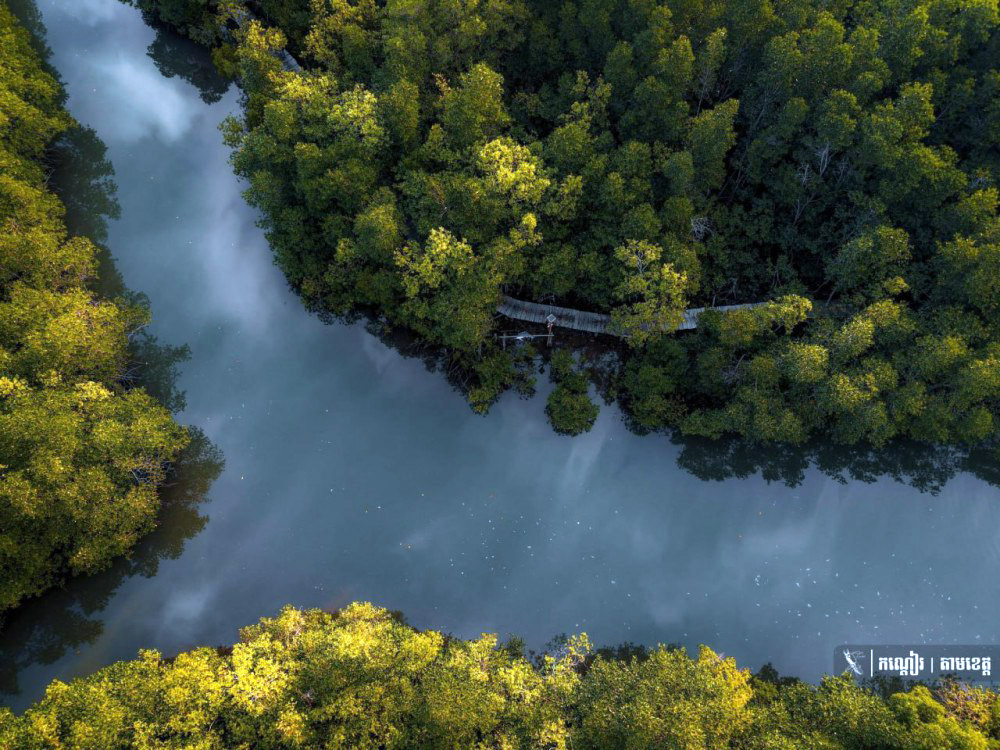
Located in O’Krosar village, the community-led initiative oversees a sprawling ecosystem of "blue carbon" mangroves.
Established to protect dwindling marine resources, the site has become a model for sustainable development, integrating conservation-based fishing with low-impact ecotourism.
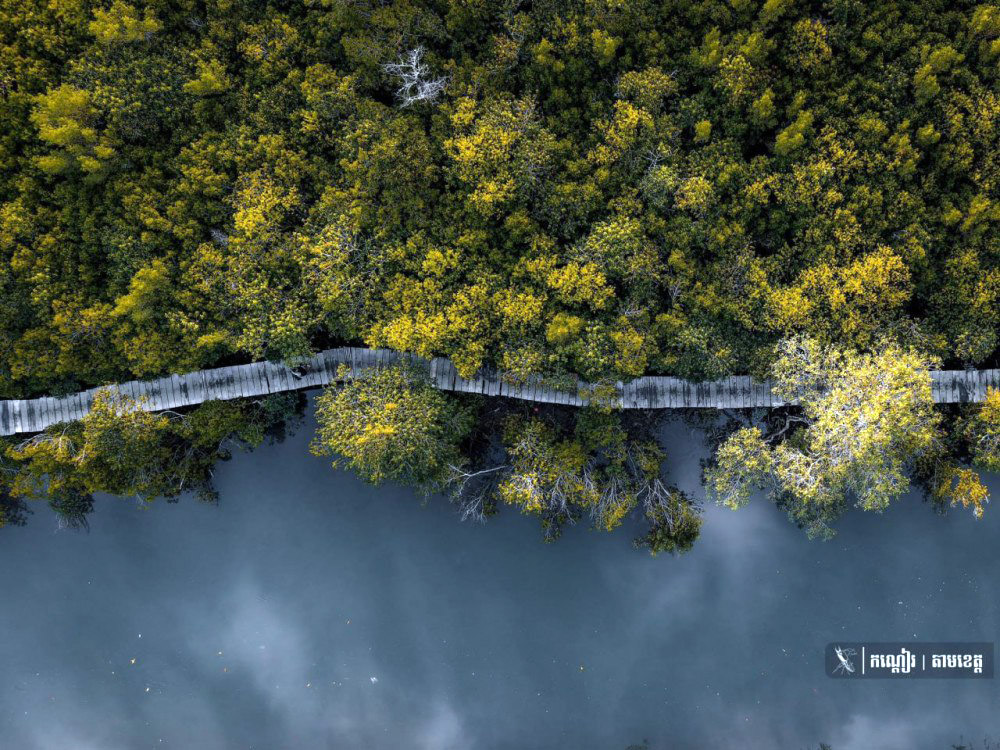
The area is defined by its dense mangrove forests lining the estuaries and coastline. These forests serve as a vital carbon sink and a natural barrier against coastal erosion. For visitors, the community offers an immersive ecological experience:
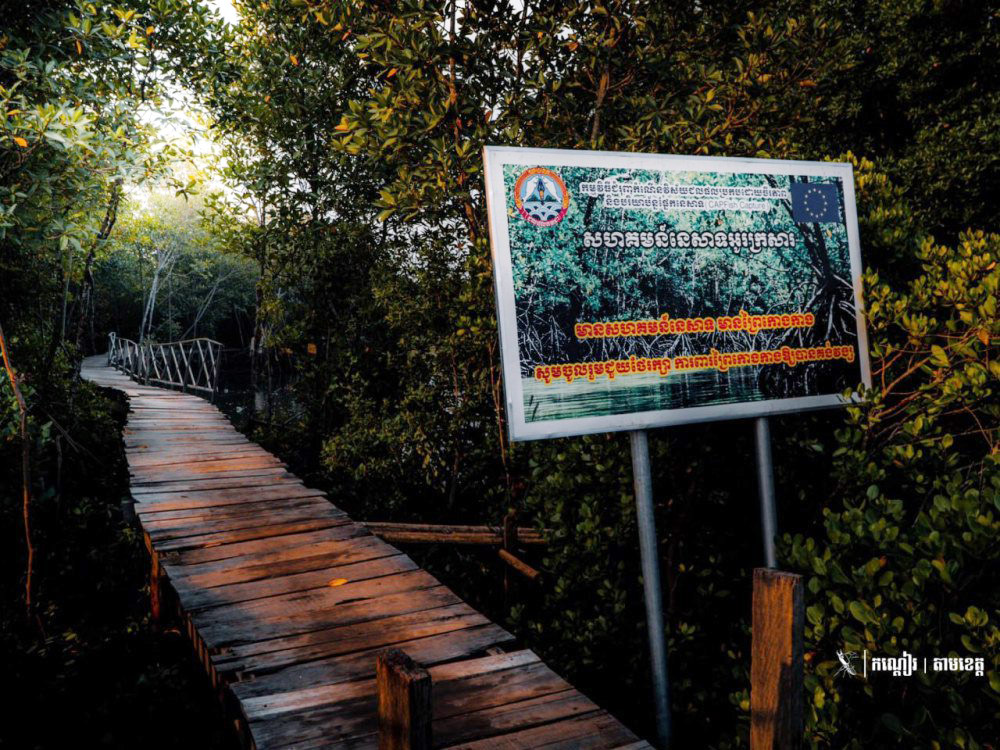
A lengthy wooden boardwalk snakes through the canopy, allowing tourists to traverse the wetlands without disturbing the soil.
The site is a documented breeding ground for shrimp, crabs, and various fish species, while also serving as a habitat for diverse waterbird populations.
Traditional boat excursions allow visitors to witness the daily rhythms of local fishers, from net-casting to the harvesting of seasonal seafood.
Faced with the global threat of habitat loss, the O’Krosar community has implemented a rigorous protection mandate. Local authorities and community leaders prioritise the prevention of illegal logging and coastal land encroachment.
To bolster the ecosystem, regular reforestation campaigns are conducted in partnership with youth groups and non-governmental organisations. These efforts ensure the continued sustainability of local fish stocks, which remain the primary source of income for the village’s residents.
Despite its ecological success, the community faces significant headwinds. Like many coastal regions in Southeast Asia, O’Krosar struggles with plastic pollution carried in by the tides.
Furthermore, the wooden infrastructure—critical for tourism—requires constant maintenance due to the corrosive saline environment and high humidity. Community leaders indicate that additional funding and strategic investment are essential to repair aging boardwalks and enhance the site’s capacity to handle growing tourist numbers without compromising its environmental integrity.
By K. Rithy Reak
