KH
KH  FR
FR  AR
AR CN
CNCambodia’s CMAC Hosts South Sudan Mine Action Delegation to Share Global Expertise
AKP Phnom Penh, January 19, 2026 --
Cambodia’s national demining agency is hosting a high-level delegation from South Sudan this week, as the East African nation seeks to adopt Cambodia’s globally recognised strategies for clearing landmines and unexploded ordnance (UXO).
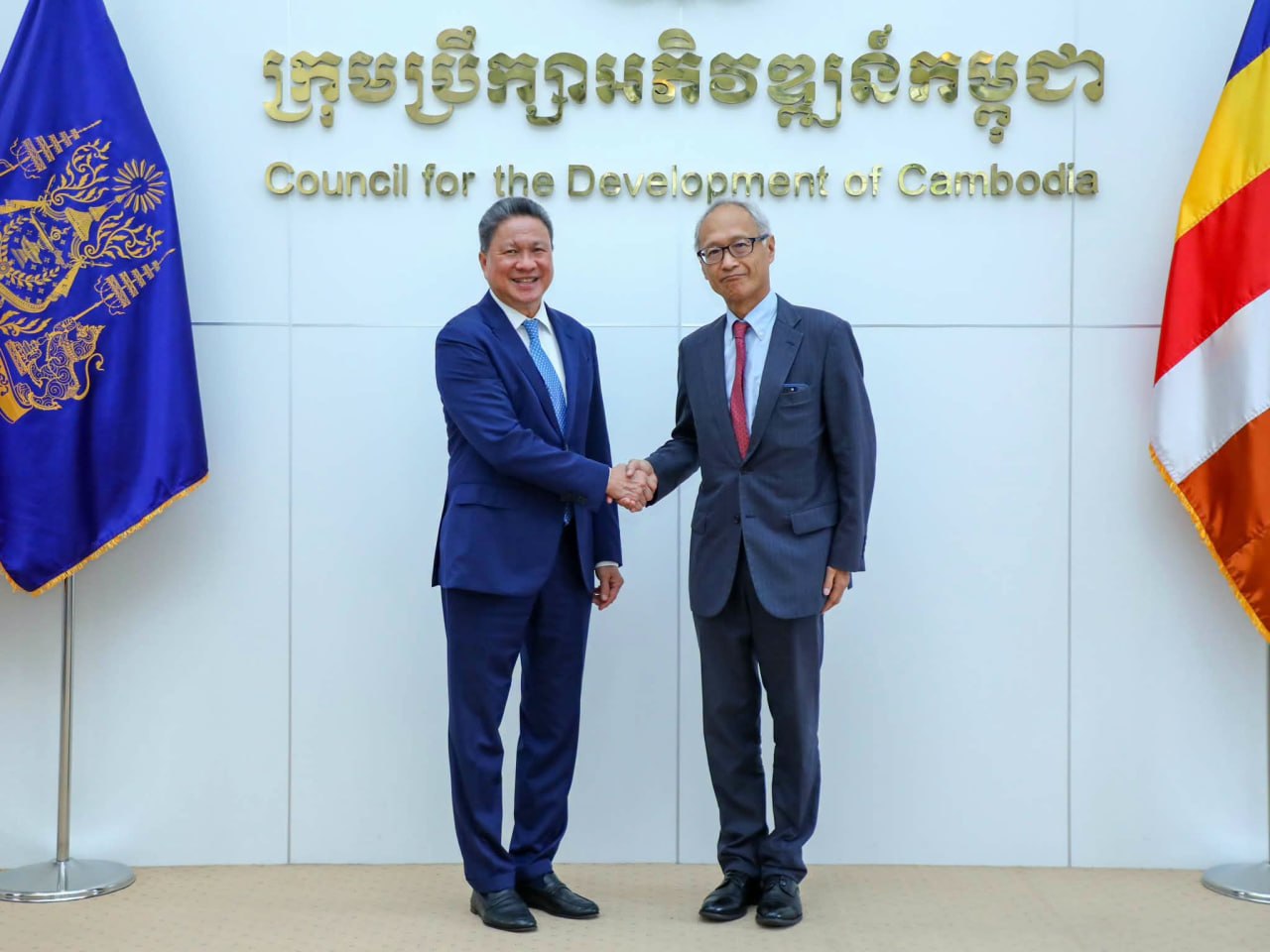
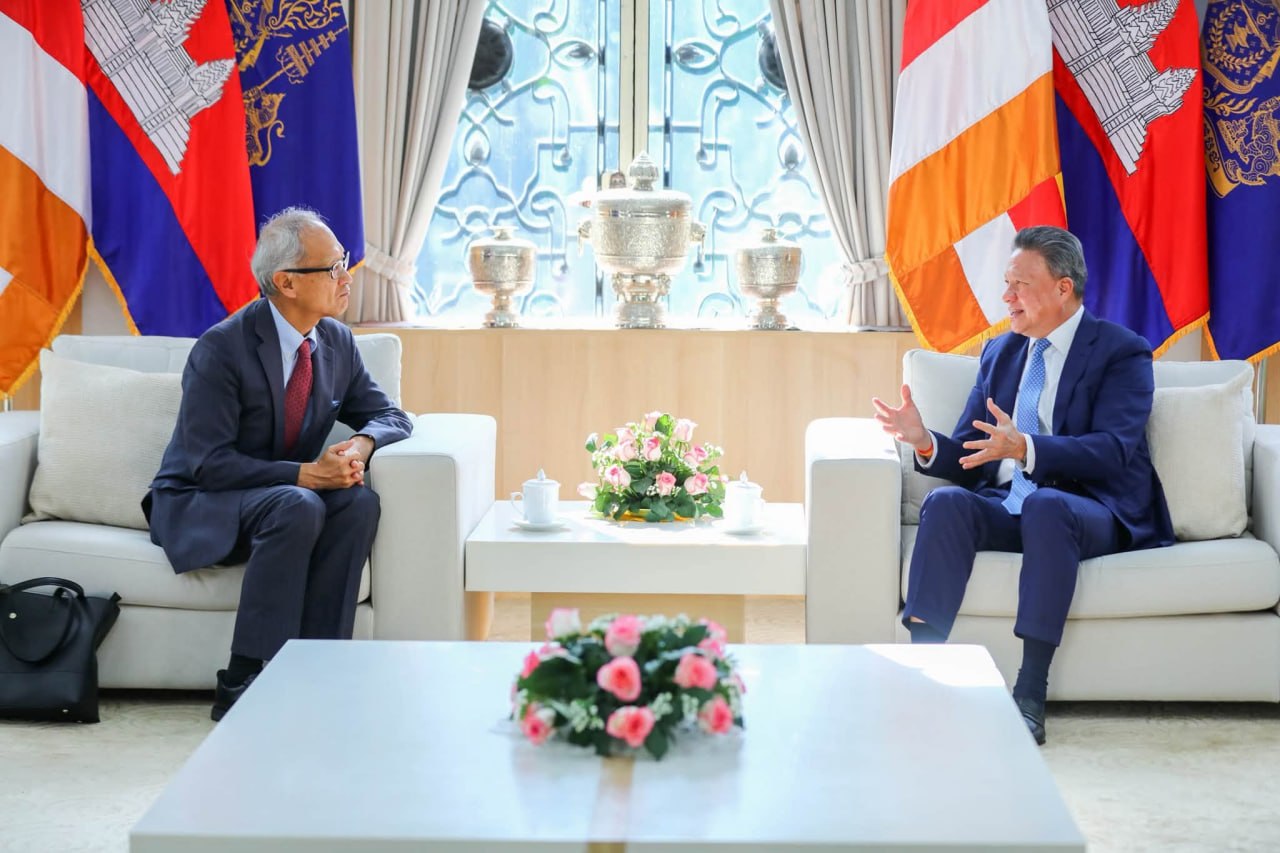
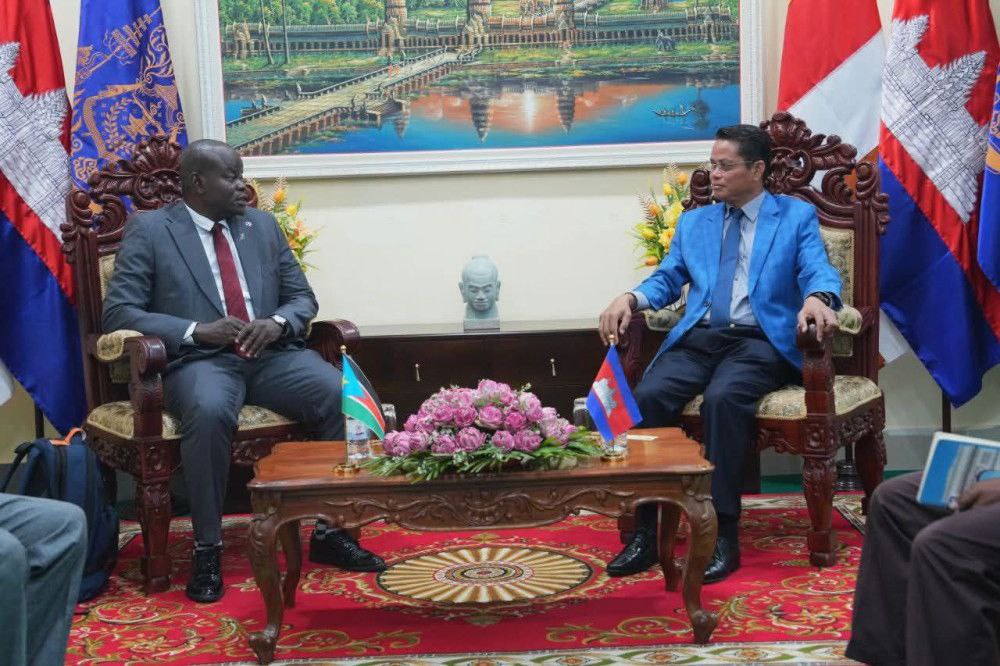
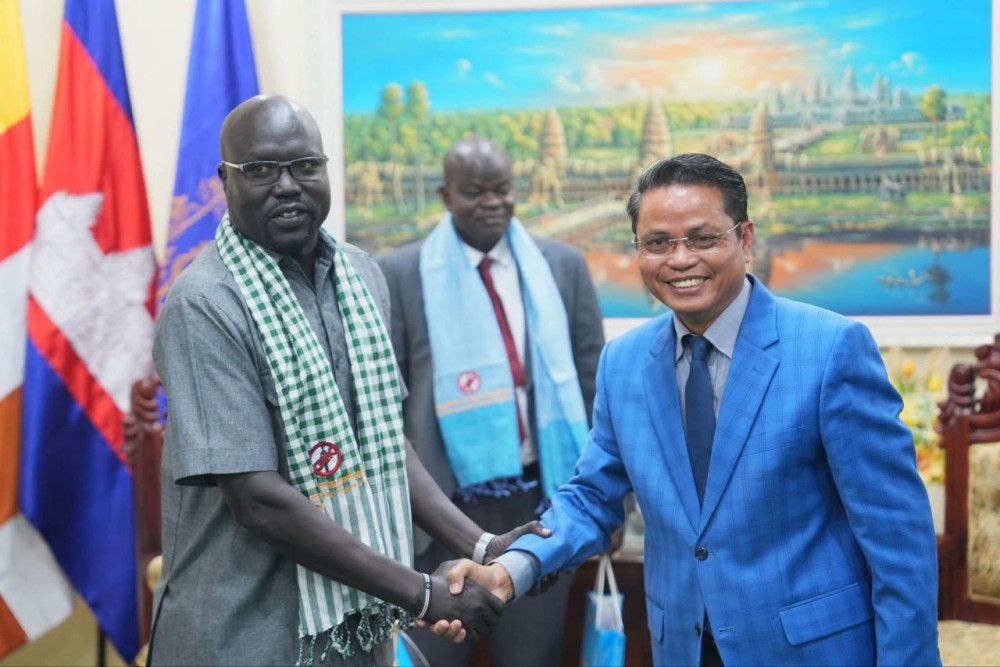
H.E. Heng Ratana, Director-General of the Cambodian Mine Action Centre (CMAC), met on Monday with H.E. Mike Rashid Fulla Obaldo, Director-General of the South Sudan National Mine Action Authority (NMAA), to begin a week-long technical exchange programme running through Jan. 24.
The visit, supported by the Japan International Cooperation Agency (JICA), underscores Cambodia’s evolution from a war-torn country to a global hub for demining expertise.
"CMAC is committed to sharing our successful experiences in operational efficiency and national ownership," H.E. Heng Ratana said.
He noted that Prime Minister Samdech Moha Borvor Thipadei Hun Manet has actively encouraged the centre to assist other conflict-affected nations in managing the legacy of war.
For South Sudan, the mission is a vital fact-finding exercise to strengthen its domestic capabilities. H.E. Mike Rashid Fulla Obaldo acknowledged that while his government faces numerous competing development priorities, the need to bolster South Sudan’s mine action sector remains critical.
"CMAC is a world leader in this field," he said, praising the centre’s ability to convert contaminated land into safe zones for economic development.
"We are here to gain technical insights and learn how to better engage our local populations in mine risk education."
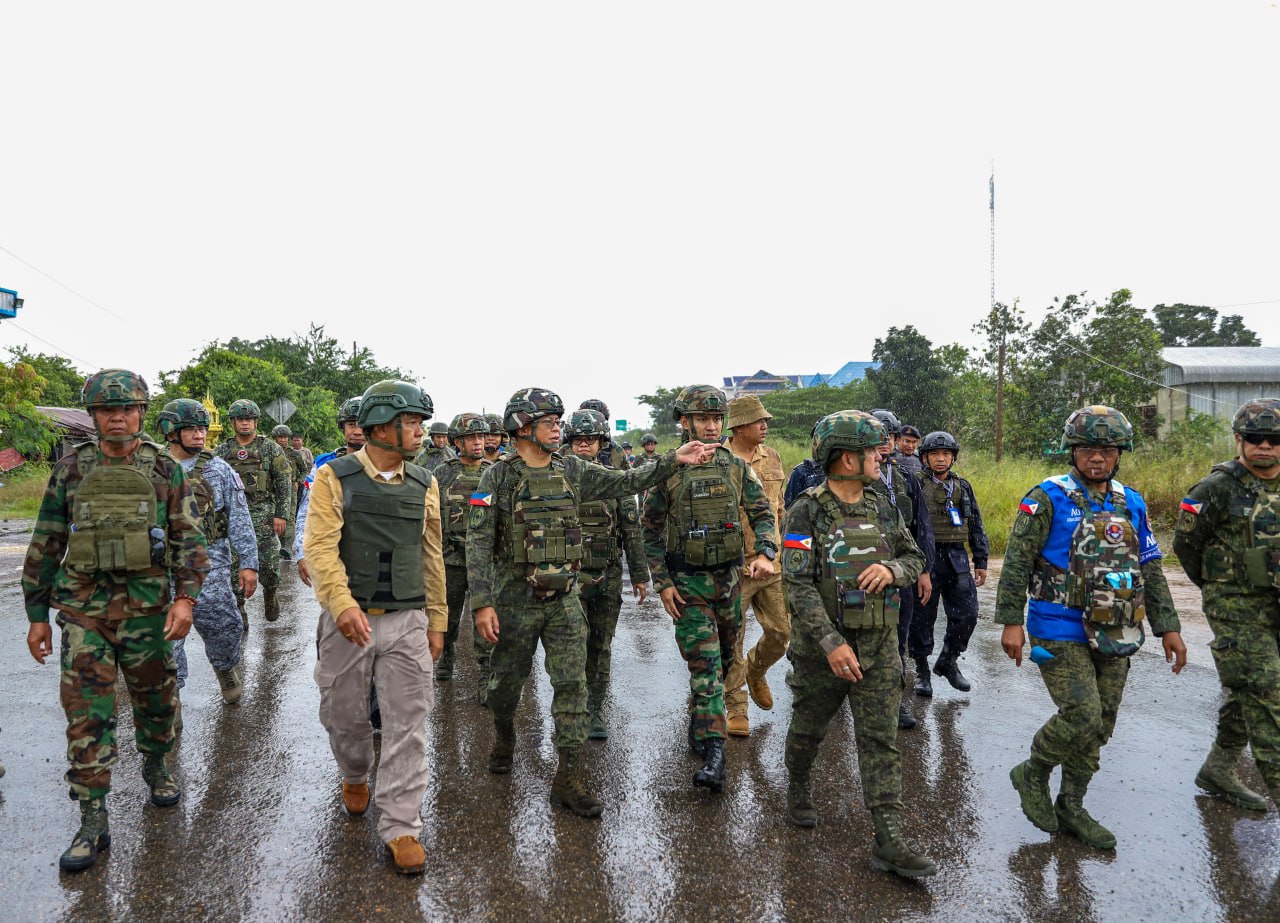
The South Sudanese delegation is scheduled to tour several key facilities, including: the Mine Action Technical Institute in Kampong Chhnang; the Techo Santepheap Museum in Siem Reap; demining sites and specialised underwater UXO recovery operations.
Cambodia remains one of the world's most heavily landmined countries, but its specialised units are now frequently deployed abroad under United Nations peacekeeping umbrellas, sharing technical skills honed over three decades of domestic clearance operations.
By K. Rithy Reak