KH
KH  FR
FR  AR
AR CN
CNCambodia’s Environment Ministry Cracks Down on Over 2,100 Natural Resource Crimes in 2025
AKP Phnom Penh, January 04, 2026 --
Cambodia’s Ministry of Environment said it had suppressed more than 2,100 cases of natural resource crimes nationwide in 2025, as part of stepped-up enforcement and inter-agency cooperation to protect forests, wildlife and protected areas.
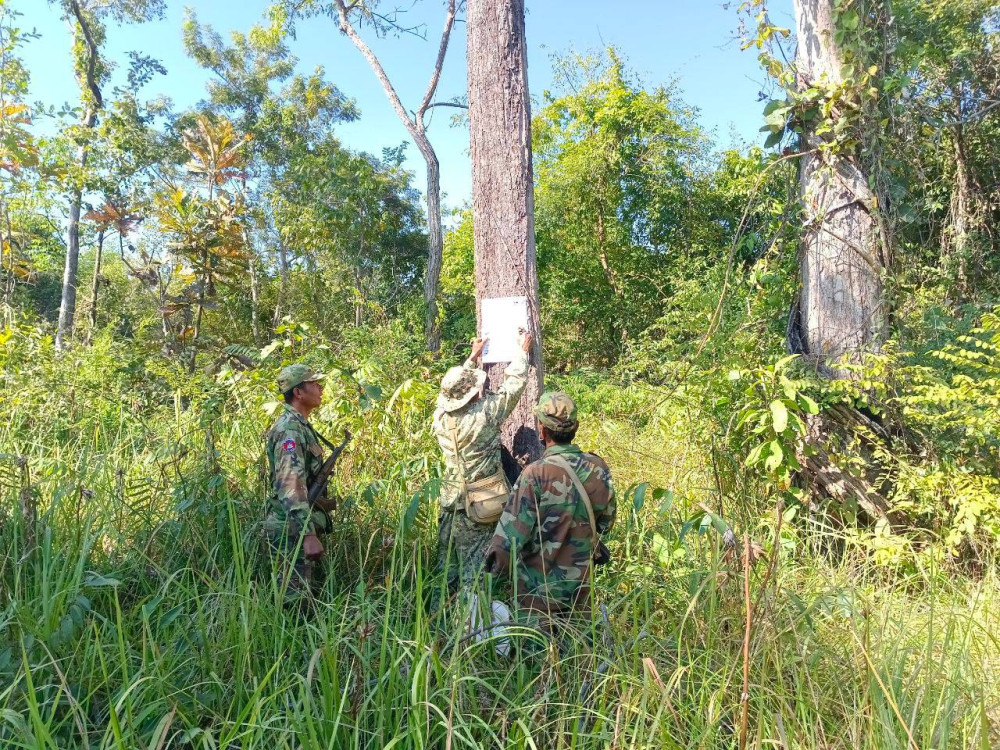
According to the ministry, park rangers carried out 16,261 patrols across protected areas during the year, leading to the detection and suppression of 2,152 violations. These included 751 forestry-related cases, 737 wildlife crimes, 334 cases of encroachment on state land, 322 illegal fishing cases and 15 cases involving mineral resources.
Judicial police officers from the ministry compiled 133 case files for court proceedings and referred 95 suspects to the courts, the statement said.
Ministry spokesperson Khvay Atitya said enforcement activity increased by 1,855 patrol operations in 2025 compared with the previous year, while the number of detected offences fell by 393 cases, indicating improved deterrence.
In 2024, park rangers conducted 14,406 patrols and recorded 2,545 natural resource crimes, including 752 forestry cases, 700 wildlife offences, 754 land encroachment cases, 327 illegal fishing cases and 12 mineral resource violations.
That year, authorities forwarded 235 cases and 98 suspects to the courts.
The decline in violations reflects sustained efforts by the ministry’s leadership and rangers working closely with relevant ministries, provincial and local authorities, armed forces, the Anti-Corruption Unit, prosecutors, civil society partners and local communities, the spokesperson said.
“These joint efforts have strengthened enforcement of environmental and natural resource laws to ensure long-term conservation and sustainable livelihoods,” he added.
The crackdown aligns with Cambodia’s national strategy and directives from Prime Minister Samdech Moha Borvor Thipadei Hun Manet on improving natural resource governance, the ministry said.
Environment Minister H.E. Eang Sophalleth has promoted the implementation of the “Environmental Sector Circular Strategy,” particularly its second pillar on “greenness,” focusing on expanding tree planting, strengthening management of protected areas and improving livelihoods in conservation communities.
Over the past two years, the ministry has enforced a zero-tolerance approach to natural resource crimes, while enhancing rapid-response capabilities and targeted interventions in protected areas, it said.
Authorities have also expanded the use of satellite imagery, mapping technology and drones to monitor suspected deforestation hotspots, sharing data with provincial administrations, national enforcement bodies and security forces to support timely legal action under environmental laws.

By K. Rithy Reak