KH
KH  FR
FR  AR
AR CN
CNOPINION: Cruelty Behind the Ceasefire: Thailand’s Military Assault on Cambodian Sovereignty
AKP Phnom Penh, January 03, 2026 --
A ceasefire is meant to silence guns, protect civilians, and create space for diplomacy. What has unfolded instead in Cambodia’s border villages of Prey Chan and Chork Chey is a brutal betrayal of that principle—one that exposes the Thai military’s disregard for Cambodian sovereignty, civilian life, and international law.
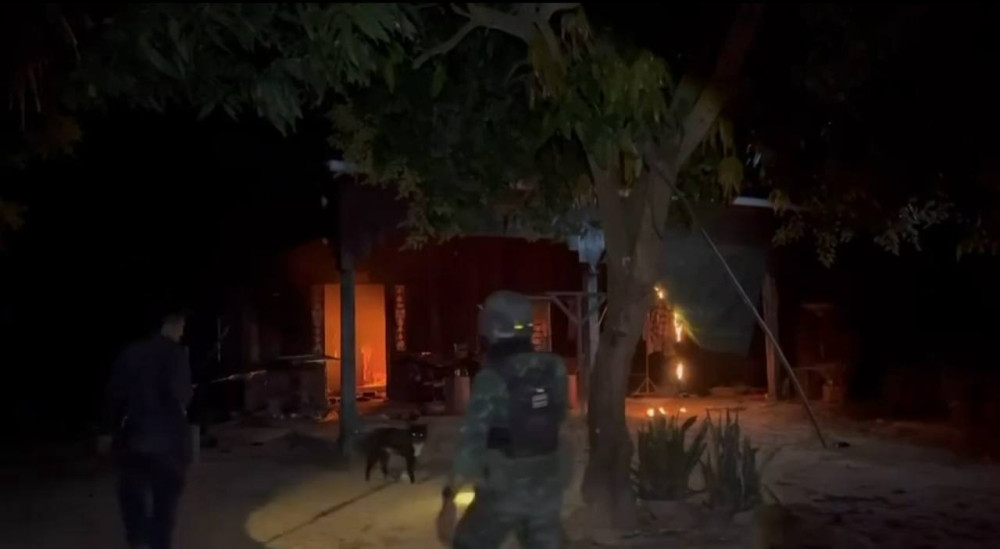
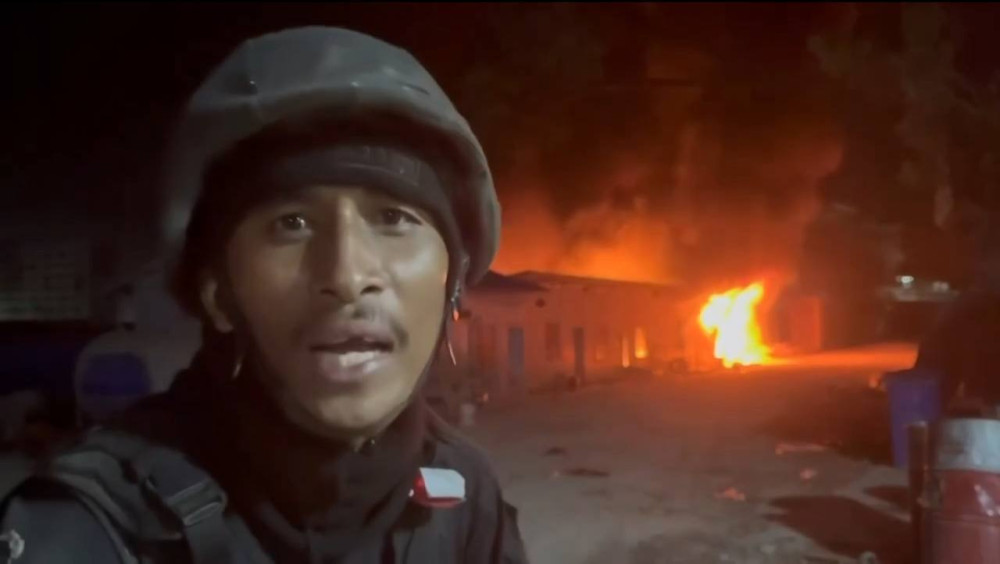
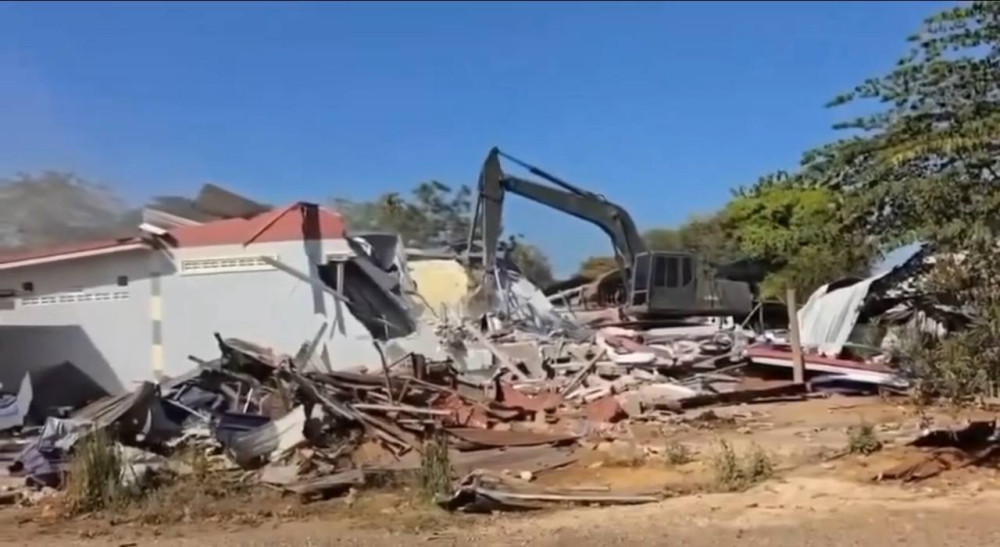
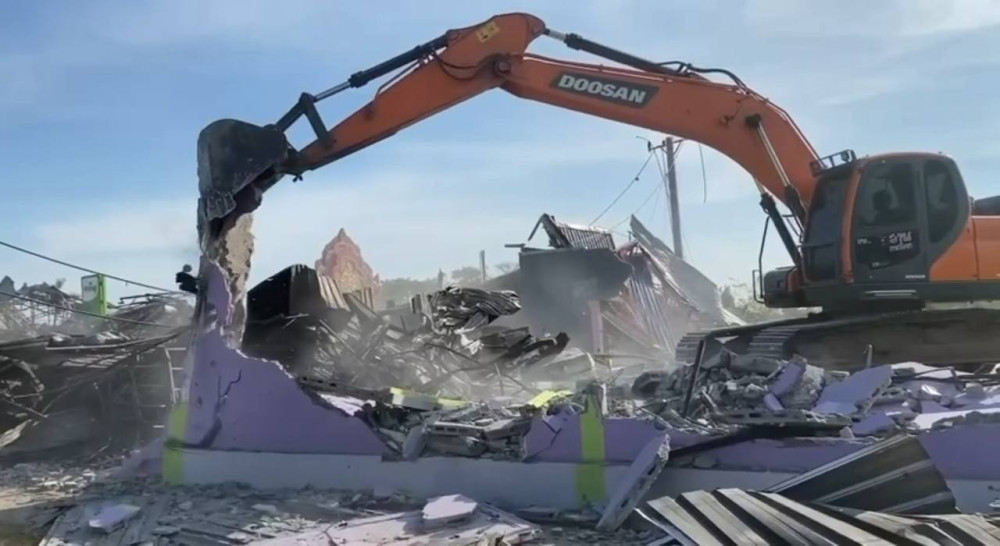
Despite a formally agreed ceasefire, Thai forces have carried out acts that go far beyond any claim of “security operations.” Civilians have been killed. Homes have been destroyed. Essential civilian infrastructure has been damaged or flattened. These are not accidents of war; they are the predictable results of military aggression carried out on sovereign Cambodian soil.
Eyewitness accounts and on-the-ground reporting describe Thai troops advancing into inhabited areas, using heavy machinery to demolish civilian houses and treating entire villages as military objectives. Families who posed no threat were forced to flee, their livelihoods erased overnight. In Prey Chan and Chork Chey, ordinary people paid the price for Thailand’s attempt to impose facts on the ground through force.
Such actions constitute a clear violation of international humanitarian law, which strictly prohibits attacks on civilians and the destruction of civilian property not justified by military necessity. They also violate the ceasefire agreement, which explicitly bars troop movements, hostile acts, and any attempt to alter the situation pending border demarcation through the Joint Boundary Commission.
Thailand cannot credibly claim respect for international norms while its military kills civilians and razes homes under the cover of a ceasefire. Nor can it redefine aggression as “administration” or “security” when the result is death, displacement, and destruction in Cambodian villages long recognized as part of Cambodia’s territory under treaties and international agreements.
Equally troubling is the broader pattern these acts reveal. The killing of civilians, destruction of infrastructure, and unilateral military occupation form part of a strategy to coerce Cambodia and intimidate local populations. This is not border management; it is the abuse of power against a smaller neighbor that has consistently called for peaceful, lawful resolution.
Cambodia has remained committed to dialogue, international law, and established mechanisms for border demarcation. It has not responded with retaliation, but with restraint. That restraint, however, must not be mistaken for weakness, nor should the international community mistake silence for stability.
A ceasefire that protects aggressors while civilians are buried and villages erased is no ceasefire at all. If international law is to mean anything, violations in Prey Chan and Chork Chey must be acknowledged—not denied, not rebranded, and not ignored.
Thailand must immediately halt its military actions, withdraw from occupied Cambodian areas, and honor both the ceasefire and its legal obligations. Anything less is an admission that force, not law, now guides its conduct. And that is a danger not only to Cambodia, but to regional peace itself.
By Ros Darath, a Political Analyst Based in Phnom Penh.
(The views expressed are his own.)