KH
KH  FR
FR  AR
AR CN
CNCambodia Joins Global Effort to Keep Strategic Waterways Open and Toll-Free
AKP Phnom Penh, October 14, 2026 -- Cambodia has officially joined more than 60 countries, including all European Union (EU) Member States, in signing the international "No Fees, No Tolls" pledge, underscoring a shared commitment to safeguarding freedom of navigation across critical maritime waterways, according an EU press release issued on Oct. 14.
The initiative, announced by European Union High Representative and Vice-President Kaja Kallas on Oct. 12, serves as a reaffirmation of the international community’s dedication to upholding the principles of freedom of navigation and opposing the introduction of new tolls or fees in international waterways.
The European Union has rallied partners around the world to preserve this initiative, including during the UN General Assembly in September.
The pledge is now supported by more than 60 countries from around the globe, including the Kingdom of Cambodia and all EU Member States.
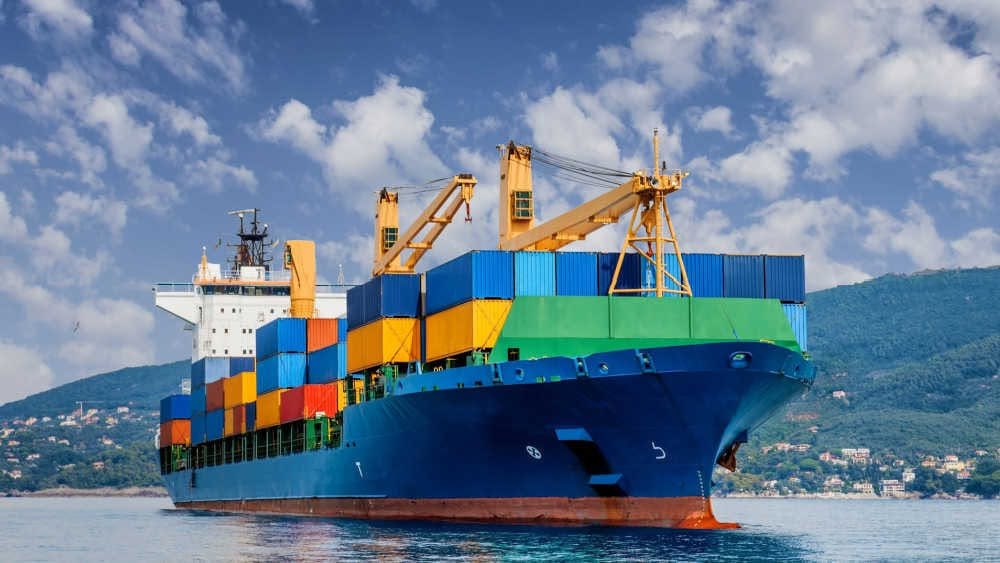
This diplomatic move by Cambodia highlights the Kingdom's active participation in preserving open, free, and fair maritime trade routes, which serve as essential global lifelines. Disruptions to these strategically vital waterways have previously demonstrated profound global consequences, including negative impacts on international trade, energy flows, supply chains, and food security.
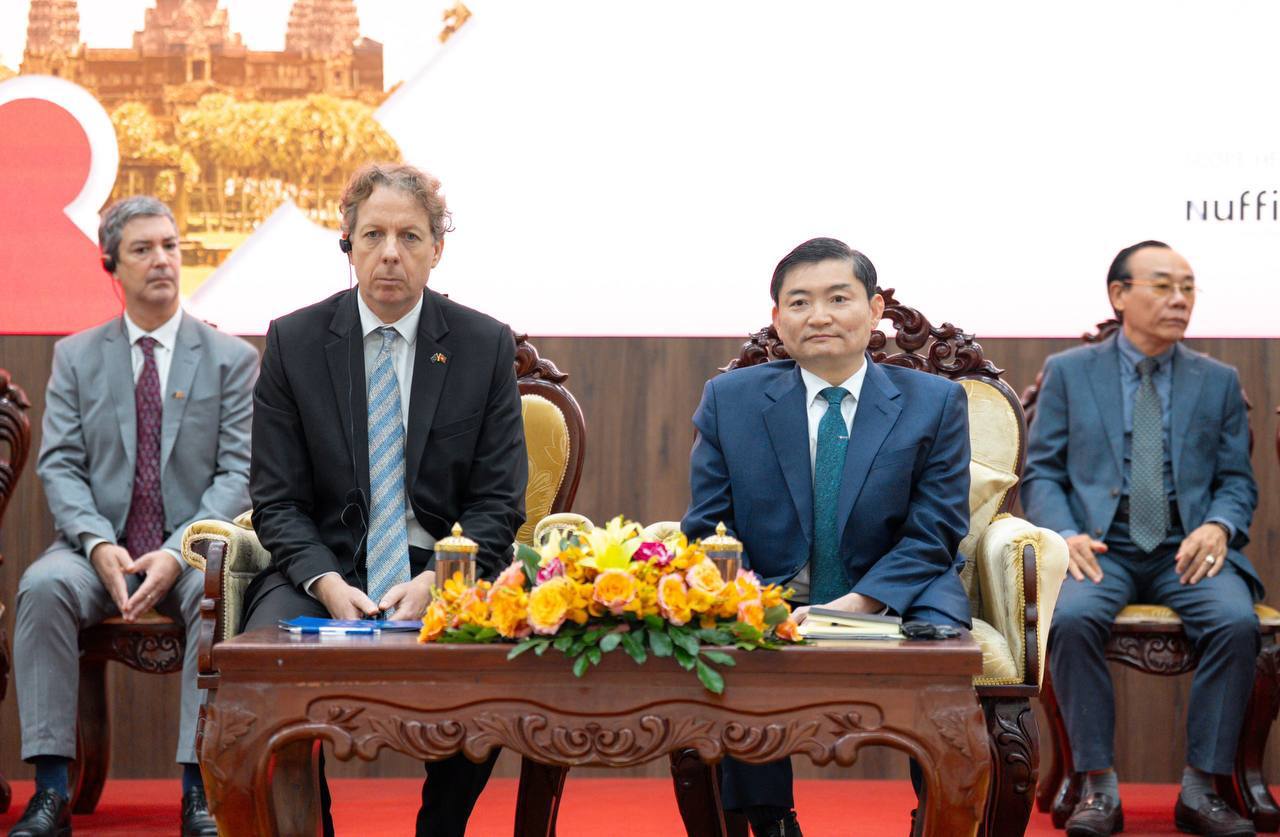
EU Ambassador to Cambodia H.E. Igor Driesmans welcomed the Kingdom's alignment with the pledge.
"The decision by Cambodia to join the pledge reflects our shared commitment to multilateralism, the rules-based order and international law," Ambassador Driesmans stated.
"More broadly, the pledge shows that the international community firmly opposes any discriminatory measures, new tolls or fees in international waterways, and stands united for free and open seas,” he added.
The pledge emphasises the universal and unified character of the United Nations Convention on the Law of the Sea (UNCLOS), the constitution of the oceans, which establishes the legal framework within which all maritime activities must be conducted.
Disruptions to maritime routes, including in strategically vital waterways, have demonstrated the global consequences of disregard for these principles, including significant impacts on international trade, energy flows, supply chains, and food security.
It asserts that No State should impose discriminatory limits on the passage of ships through such waterways in a manner inconsistent with international law, as reflected in UNCLOS, citing that this principle is vital for global security.
By Chea Vannak