KH
KH  FR
FR  AR
AR CN
CNCambodian Information Minister: Ceasefire Must Freeze Situation, Not Create New Facts on the Ground
AKP Phnom Penh, August 22, 2026 --
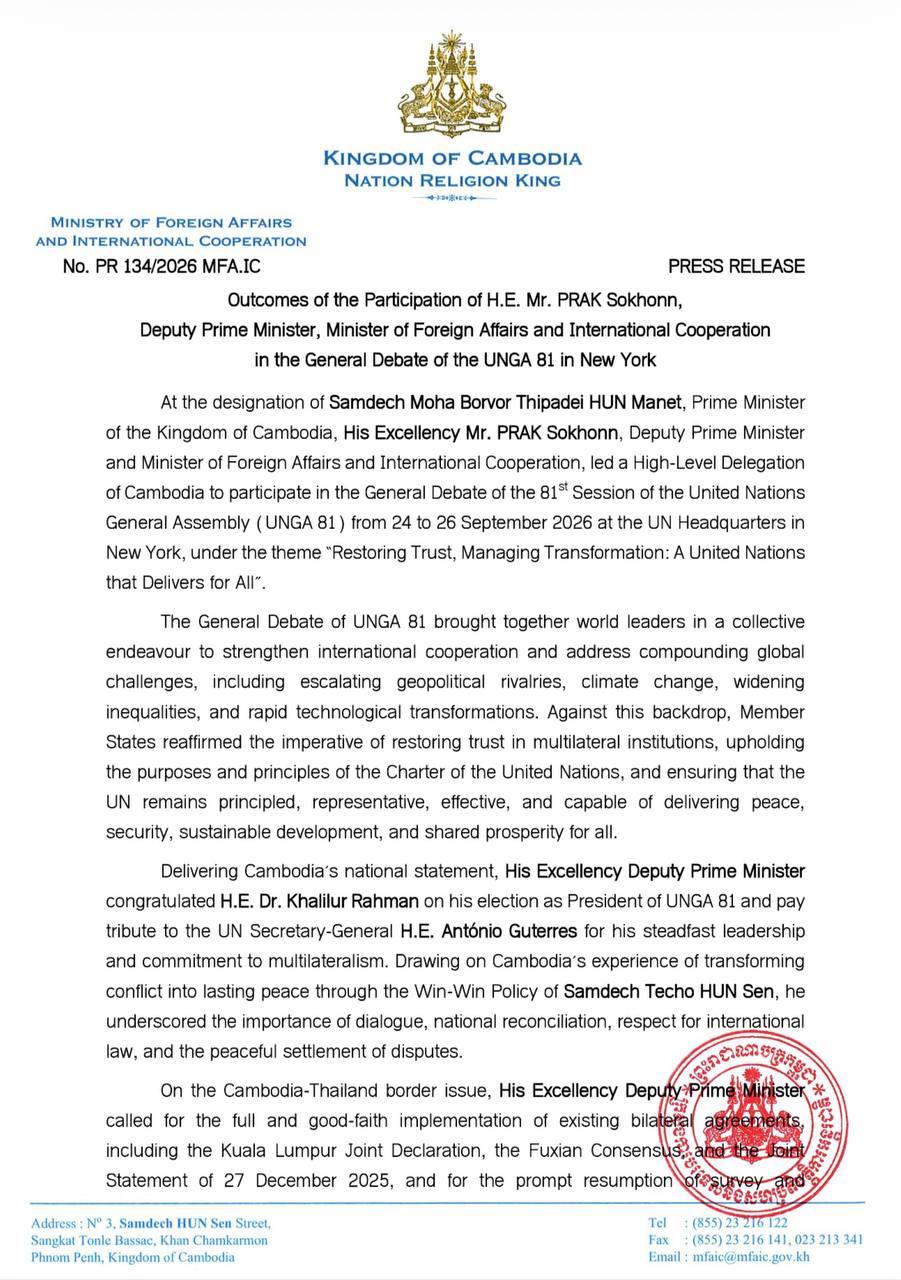
Cambodian Minister of Information H.E. Neth Pheaktra has stressed that a ceasefire must not be used as an opportunity to alter the situation on the ground, calling for an end to actions that could create new facts or a fait accompli along the Cambodia-Thailand border.
In a message posted on social media on Aug. 22, H.E. Neth Pheaktra said that when the guns fall silent, actions capable of changing the situation on the ground must also stop.
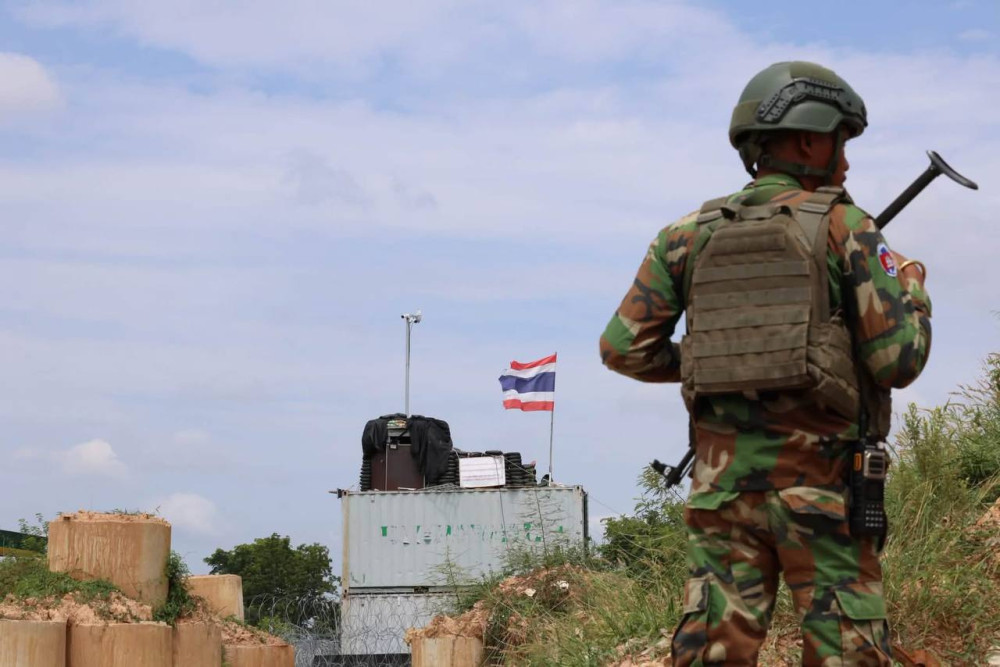
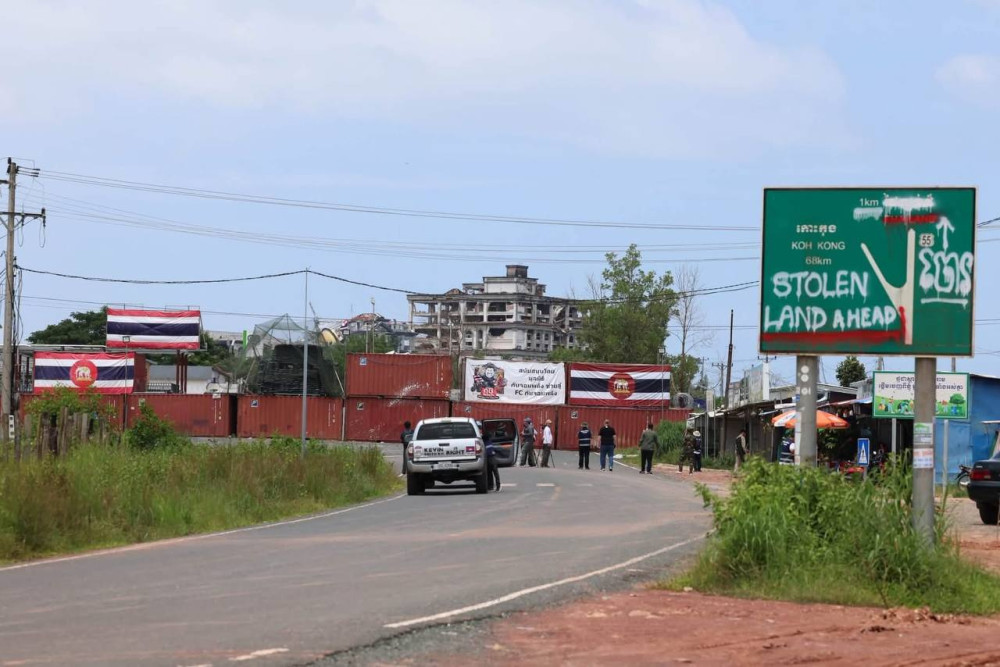
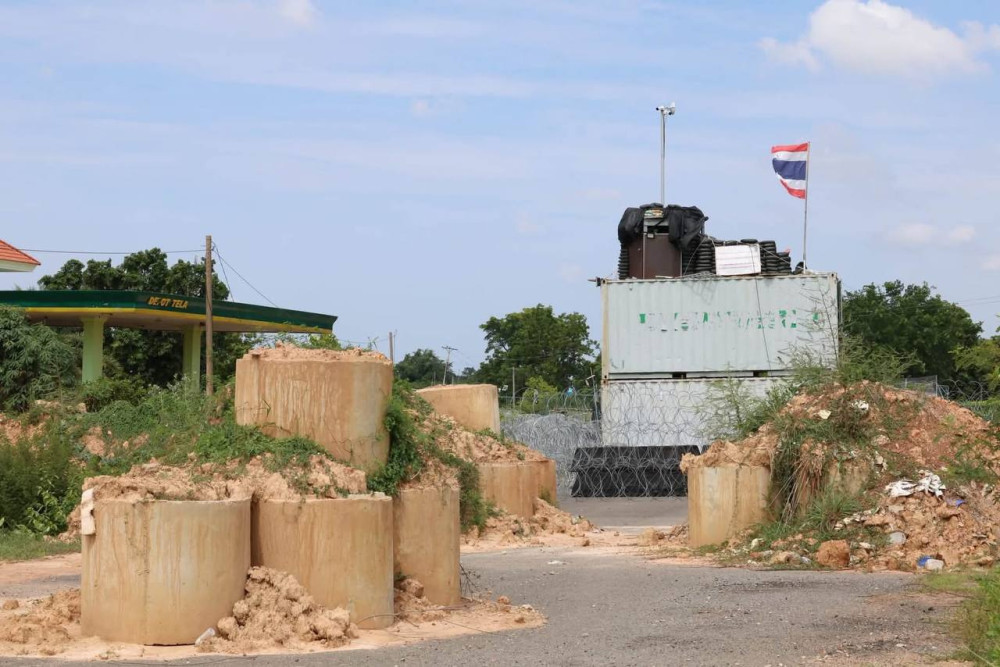
He said a ceasefire should not be interpreted as allowing either side to demolish civilian homes, build roads, erect barriers, install shipping containers, lay barbed wire, construct new infrastructure, raise national flags or undertake other actions intended to alter the territorial status quo.
The Minister said this principle was particularly important in assessing actions along the Cambodia-Thailand border following the Joint Statement of the 3rd Special Meeting of the General Border Committee (GBC) on Dec. 27, 2025.
According to H.E. Neth Pheaktra, the Joint Statement provided for an immediate ceasefire and required both sides to maintain their existing troop positions without further movement. It also stipulated that the arrangements under the statement were without prejudice to the international boundary delimitation between the two countries.
He stressed that maintaining troop positions during a ceasefire cannot be interpreted as recognition of sovereignty or territorial title, nor can it provide a basis for expanding effective control or constructing new infrastructure that could later be used to support territorial claims.
"A ceasefire must therefore mean three things: stop the shooting, stop the advance, and stop creating new facts on the ground that alter the status quo," he said.
The Minister further explained that if military forces demolish civilian homes, block access to residential areas, construct roads or permanent structures, build military infrastructure or raise national flags during a ceasefire, such actions go beyond simply maintaining existing positions.
He warned that such activities risk creating a fait accompli – an accomplished fact on the ground that could subsequently be invoked to support political, military or territorial claims.
H.E. Neth Pheaktra also highlighted the humanitarian dimension of the ceasefire agreement, noting that the Joint Statement provides for civilians living in affected border areas to return to their homes and resume their normal livelihoods as soon as possible, without obstruction and in conditions of safety and dignity.
He questioned how displaced civilians could exercise their right to return if their homes were demolished, roads to their communities blocked or residences rendered inaccessible.
"Allowing civilians to return cannot simply mean refraining from shooting at them. It must mean that they are genuinely able to return to their homes, land, property and livelihoods without new obstacles created after the ceasefire," he said.
The Minister also stressed that raising a national flag or installing state symbols at a particular location cannot, by itself, establish lawful sovereignty over that territory.
He said sovereignty is determined by applicable international law, treaties, relevant maps and lawful boundary delimitation and demarcation processes, rather than by which side builds a road, raises a flag, erects a barrier or maintains forces at a location first or for the longest period.
H.E. Neth Pheaktra pointed out that this was why the Dec. 27 Joint Statement preserved boundary delimitation and demarcation issues for the Joint Boundary Commission (JBC), stressing that neither side should use military force or unilateral actions on the ground as a substitute for the JBC's work.
"Military engineering cannot redraw an international boundary," he said.
The Minister called on the international community to pay close attention to whether a ceasefire could be considered fully respected if gunfire had stopped while activities materially altering the situation on the ground continued.
He stressed that a meaningful ceasefire means more than the absence of gunfire. It also requires restraint from actions that aggravate tensions, create new facts on the ground or undermine peaceful mechanisms for addressing outstanding boundary issues.
H.E. Neth Pheaktra said that, where established by verifiable evidence, the demolition of civilian homes, construction of roads and infrastructure, obstruction of civilians seeking to return, or installation of symbols intended to demonstrate sovereignty on Cambodian territory should not simply be described as "maintaining troop positions."
He argued that such conduct could constitute the creation of a fait accompli, run contrary to the objective of de-escalation and risk prejudicing the peaceful boundary process.
The Minister further underscored that effective control achieved through force is not the same as lawful sovereignty.
"Occupation or control achieved through force cannot, by itself, create lawful sovereign title," he said, adding that barriers, shipping containers, trenches, roads and national flags may create an appearance of control on the ground but cannot redraw an international boundary or transform military presence into lawful sovereignty.
H.E. Neth Pheaktra warned that allowing such actions during a ceasefire could create a dangerous loophole whereby a party stops firing but progressively transforms the territory around its military positions through demolition, construction, barriers, roads and symbols of sovereignty.
"That would turn a mechanism intended to preserve peace into an opportunity to consolidate territorial gains," he said.
He concluded that Cambodia is not seeking to establish a new rule, but is calling for respect for what the two sides have already agreed: refraining from creating new realities on the ground, enabling civilians to return without obstruction, and resolving outstanding boundary issues through agreed mechanisms and in accordance with international law.
"A ceasefire is not a license to expand territorial control through force or unilateral actions," H.E. Neth Pheaktra stressed.
"When the guns fall silent, the fait accompli must stop as well," he added.
By C. Nika