KH
KH  FR
FR  AR
AR CN
CNInformation Minister Calls for Safe Return of Displaced Cambodians to Their Homes
AKP Phnom Penh, August 20, 2026 —
Minister of Information H.E. Neth Pheaktra has stressed that the right of displaced Cambodian civilians to safely return to their homes should remain a central humanitarian concern following the Cambodia-Thailand border conflict in 2025.
In a Facebook post on Aug. 20, the Minister said the Cambodia-Thailand border issue was not merely about boundary markers, lines on maps, or territorial sovereignty, but also involved the lives, homes, farmland, schools, pagodas, health centres, and entire communities affected by the armed conflict.
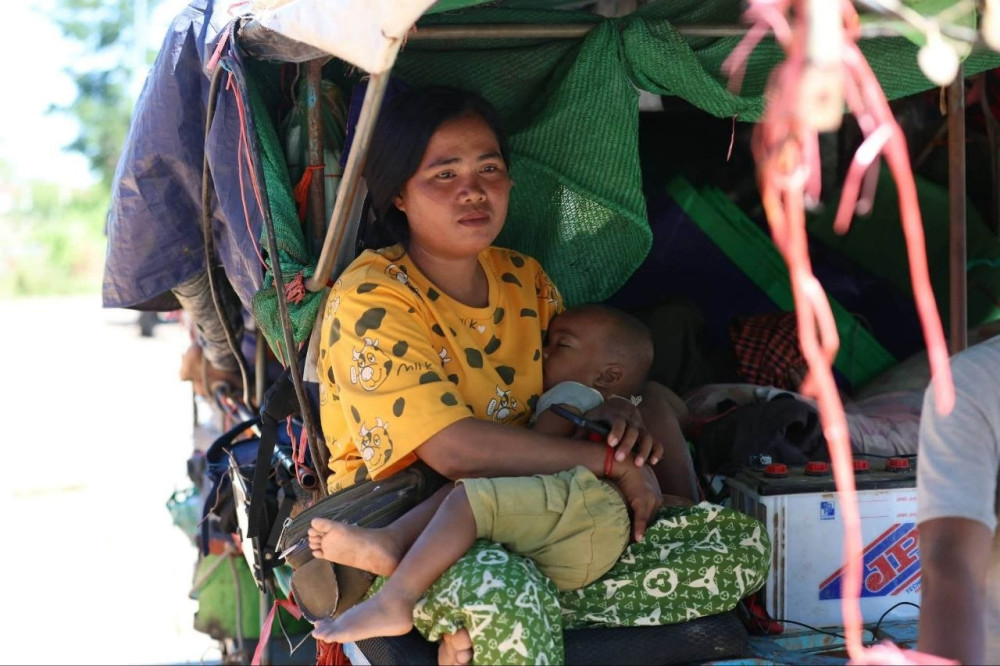
He noted that Cambodian civilians were forced to leave their homes during the fighting, with the number of displaced people reaching around 650,000 at the height of the crisis as they sought safety from fighting, shelling, and air attacks.
H.E. Neth Pheaktra said the situation raised an important question: when would those forced to flee be able to return home? He also stressed the need to address accountability for actions that had caused civilians to leave their homes.
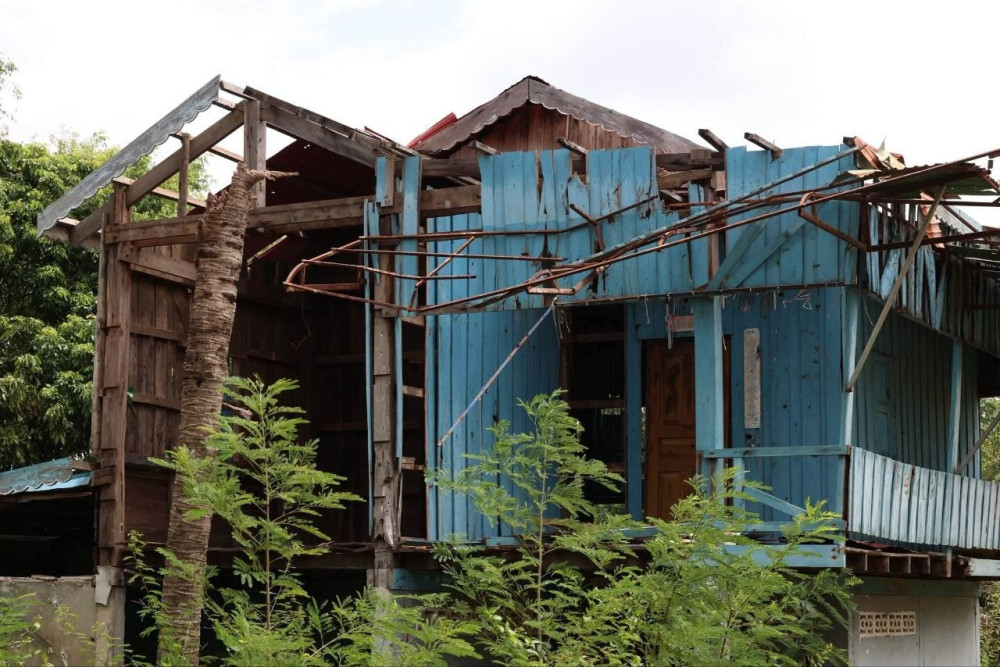
According to the Minister, the fighting along the Cambodian-Thai border in Preah Vihear, Oddar Meanchey, Banteay Meanchey, and Pursat provinces in 2025 resulted not only in military damage but also civilian deaths and injuries and damage to homes, schools, pagodas, and other civilian infrastructure.
He said the reported impacts of the conflict should not be forgotten simply because a ceasefire was reached. Instead, alleged violations should be documented, verified, and carefully assessed under international law so that responsibility can be established on the basis of evidence.
H.E. Neth Pheaktra also referred to the prohibition of indiscriminate attacks under international humanitarian law, saying incidents involving damage to homes, schools, pagodas, health facilities, or harm to civilians should be examined based on facts and evidence.
He stressed that claims by the Thai military that its operations targeted only military objectives should not replace proper examination of evidence, witness accounts, and the actual consequences on the ground. Reports from affected areas, testimonies from residents, and international media coverage, he said, should be documented and thoroughly verified as part of the evidence.
The Minister further noted that the humanitarian consequences of the conflict had continued after the Dec. 27, 2025 ceasefire.
He cited Point 4 of the Joint Statement of the Special Meeting of the General Border Committee, which provided for affected people to return to their residences safely, without obstruction and with dignity. However, he said, tens of thousands of Cambodians remained unable to return to their homes and normal livelihoods several months after the ceasefire.
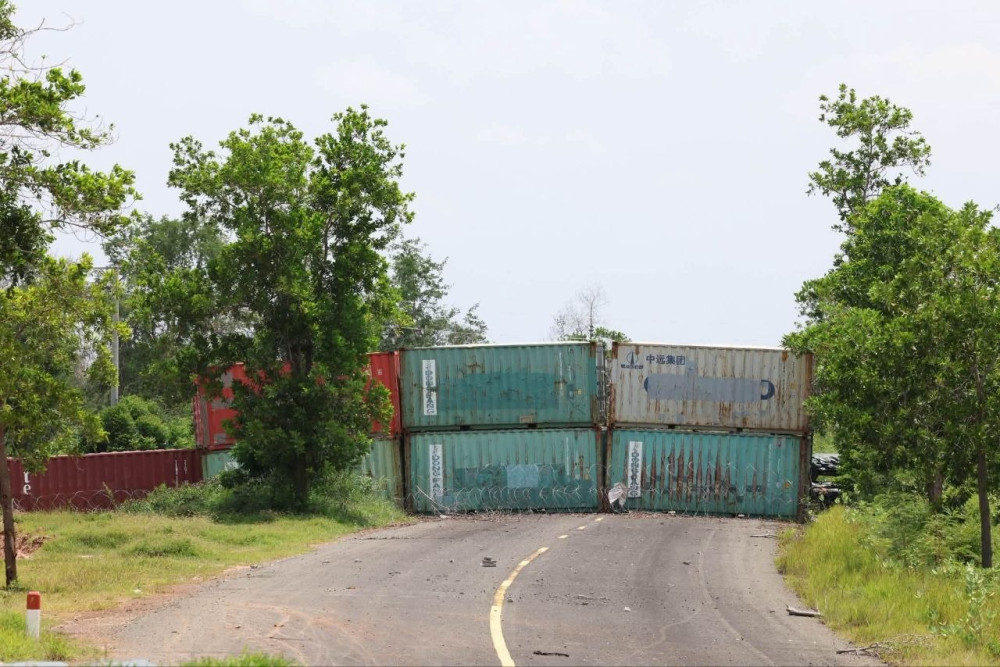
H.E. Neth Pheaktra said this demonstrated how territorial and sovereignty issues were closely connected with human rights concerns. The placement of containers, barbed wire, trenches, and other barriers in areas Cambodia claims as its territory, he said, raises serious concerns if such measures prevent civilians from accessing their homes, farmland, and livelihoods.
He also highlighted the July 2026 visit to Cambodia by UN Special Rapporteur Tom Andrews, who inspected the situation in border areas and stressed the need for displaced people to be able to return home safely.
According to the Minister, the issue of returning home should not be viewed solely as a political matter between two states, but also as a matter of human rights, safety, and dignity.
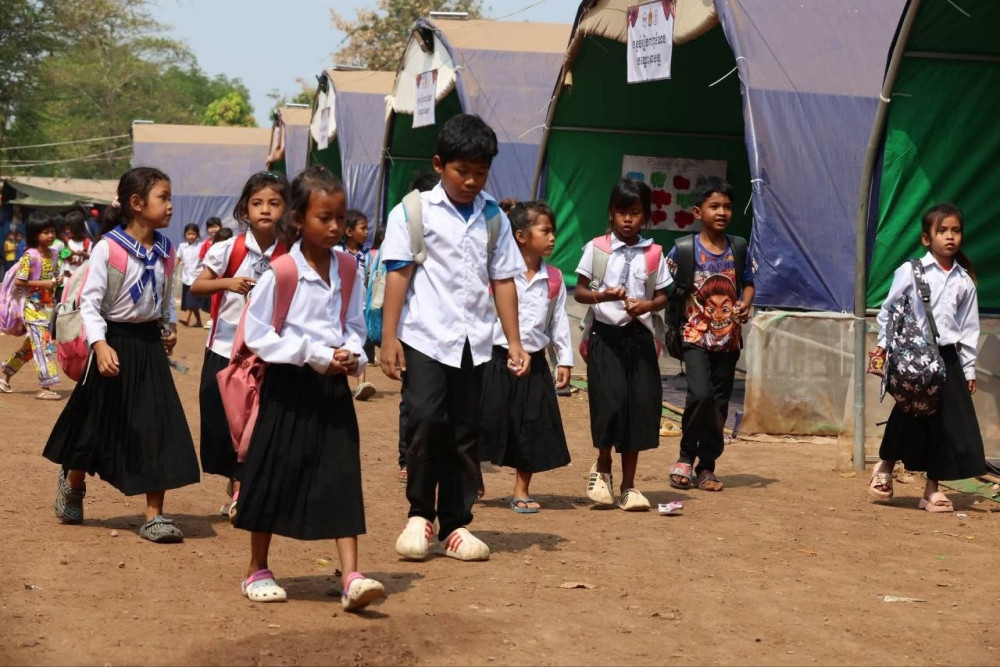
He stressed that a genuine return should mean more than simply allowing people to pass through barriers. Displaced people must be able to live in their homes, use their land, earn a livelihood, send their children to school, and live without fear of being forced to leave again.
“Real peace cannot be measured only by the silence of gunfire,” H.E. Neth Pheaktra said in substance, stressing that peace should also be measured by whether mothers can bring their children home, children can return to school, farmers can return to their fields, and displaced families can rebuild their lives safely and without fear.
At the same time, he argued that accountability for actions by Thai forces and any violations of international law established through evidence should not be removed from the agenda because of the ceasefire.
“A ceasefire can stop the bullets, but it cannot stop accountability,” he stressed, adding that calm at the border could not erase what had happened to civilians or make it lawful to prevent people from returning to their homes.
The Minister also maintained that de facto control of territory through force could not create lawful sovereignty. He argued that barbed wire could not establish a new border, containers could not create sovereignty, and control through force could not be transformed into a legal right.
He called for the Cambodia-Thailand border issue to be resolved through international law, existing border documents, and peaceful mechanisms rather than through the creation of new realities on the ground by force.
H.E. Neth Pheaktra concluded that resolving the border crisis required respect for sovereignty and territorial integrity, international law, international humanitarian law, and human rights, as well as investigations and accountability for violations established by evidence and full implementation of ceasefire commitments.
For civilians forced to flee their homes by conflict, he said, peace was not simply a word in a statement. It meant being able to return safely and with dignity to their homes, farmland, schools, and communities.
He stressed that as long as Cambodian civilians remained unable to return home, barriers preventing their return remained in place, and questions of accountability for harm to civilians remained unresolved, the consequences of the crisis could not be considered fully addressed.
By C. Nika