KH
KH  FR
FR  AR
AR CN
CNCambodian Senate First Vice President Reaffirms Borders Must Not Be Changed by Force or Fait Accompli
AKP Phnom Penh, July 08, 2026 -- First Vice President of the Cambodian Senate H.E. Ouch Borith has stressed that no international border should be altered unilaterally through the use of force or by creating a fait accompli, describing the principle as fundamental to the international order.
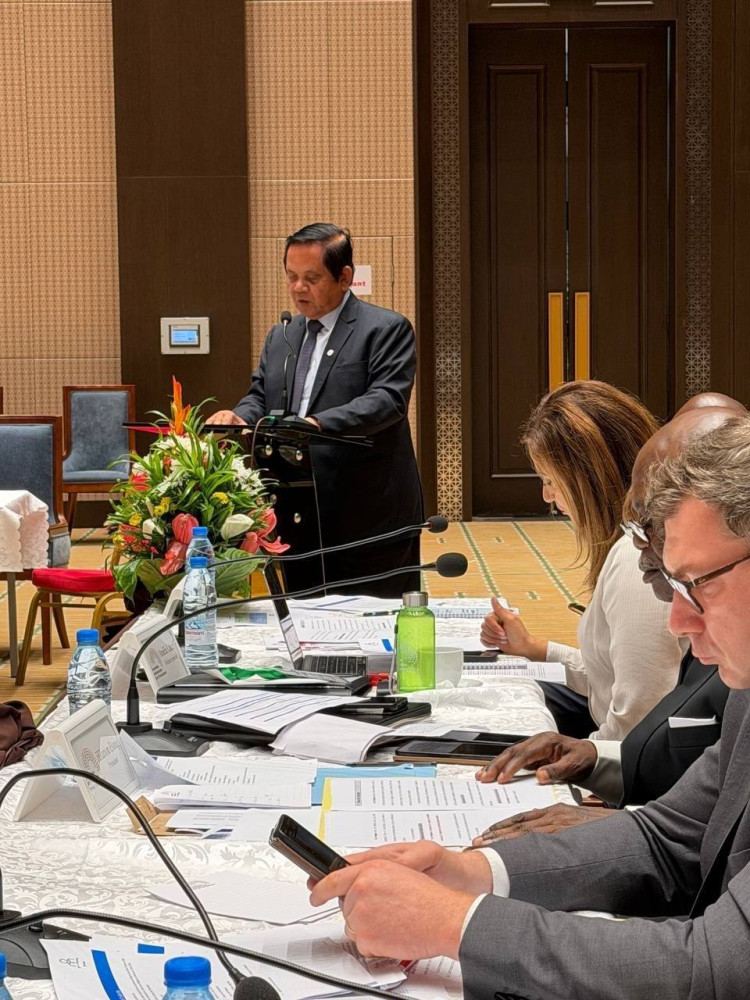
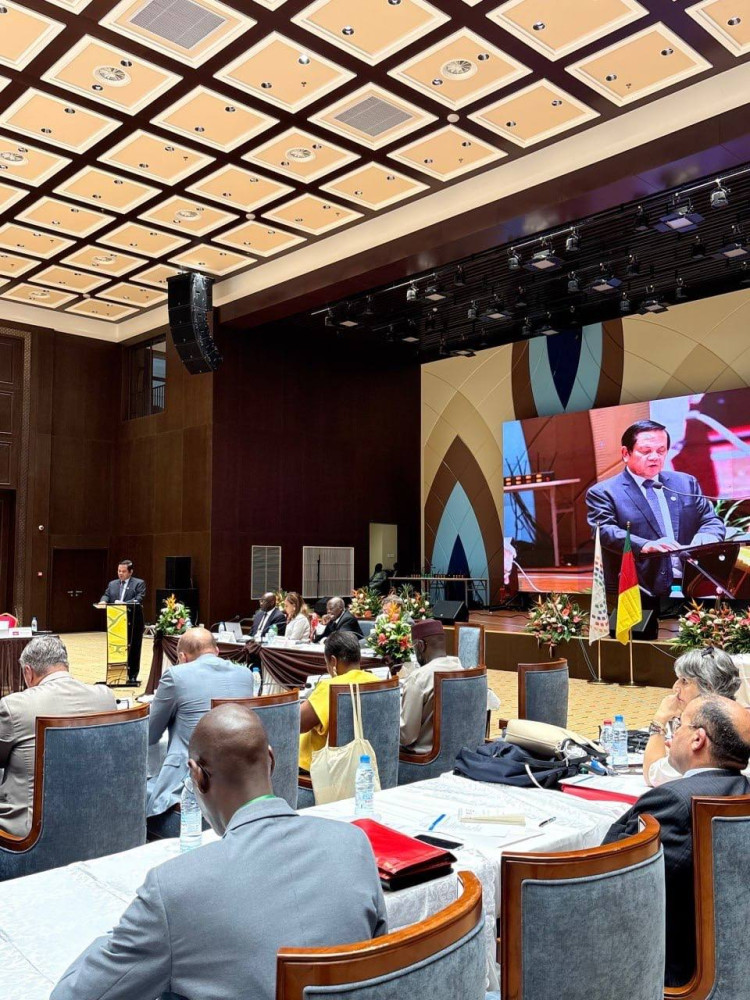
Speaking during the Executive Committee Meeting of the Assemblée Parlementaire de la Francophonie (APF) in Yaoundé, Cameroon, on July 7, H.E. Ouch Borith said safeguarding this principle is essential to protecting the sovereign equality of states, preserving the credibility of international law, and strengthening the foundations of a just and lasting peace.
Serving as Head of Cambodia's APF Section and APF Vice President, H.E. Ouch Borith expressed appreciation to members of the APF Political Committee for adopting, during their meeting in Siem Reap in May, a unanimous resolution reaffirming respect for Cambodia's sovereignty and territorial integrity after witnessing the impact of the Cambodia-Thailand border conflict and the suffering of displaced civilians.
He said the committee's support had encouraged Cambodia to continue pursuing a peaceful resolution to the dispute through dialogue and a firm commitment to peaceful means.
Addressing the meeting, H.E. Ouch Borith emphasised that lasting peace can only be achieved through sincere dialogue, patience, respect for commitments, and unwavering adherence to international law, which he described as the core values underpinning the Francophone community.
He also urged APF members to remain attentive to the situation along Cambodia's western border and thanked them for their continued support for Cambodia.
The Senate First Vice President noted that Cambodia has fully honoured the commitments made under the Dec. 27, 2025 ceasefire agreement, consistently prioritising restraint, dialogue, and de-escalation.
However, he alleged that Thai forces have continued unilateral activities in areas Cambodia considers to be under its sovereignty, including land clearing, the installation of barbed wire and shipping containers, the encirclement of civilian villages, military reinforcement, permanent infrastructure construction, religious ceremonies at Cambodian heritage sites, and the destruction and replacement of religious statues.
He added that these activities have continued despite Cambodia's repeated formal protests.
By C. Nika