KH
KH  FR
FR  AR
AR CN
CNActing Head of State Reaffirms Cambodia’s Clear Position on Border Issue with Thailand
AKP Phnom Penh, June 09, 2026 --
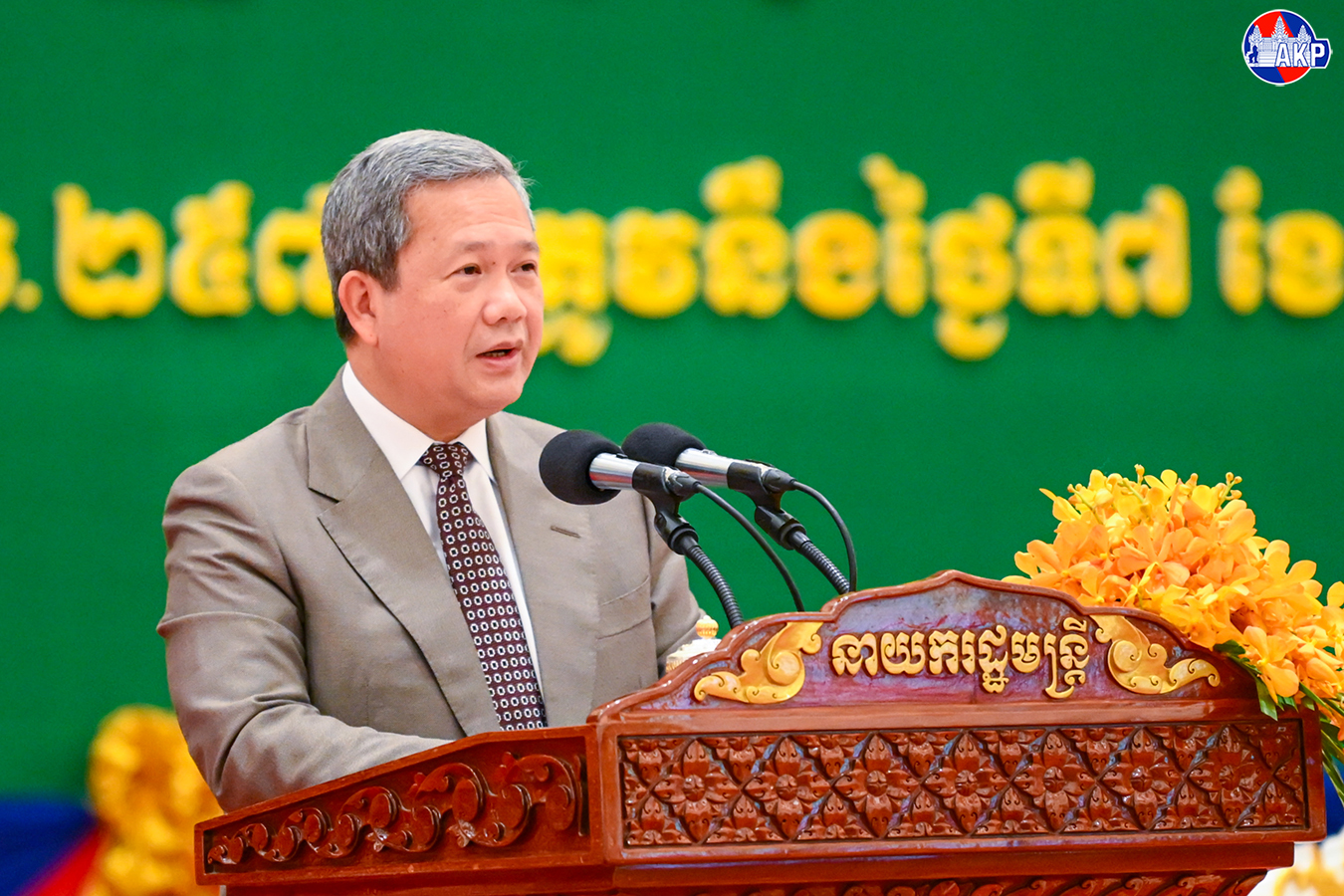
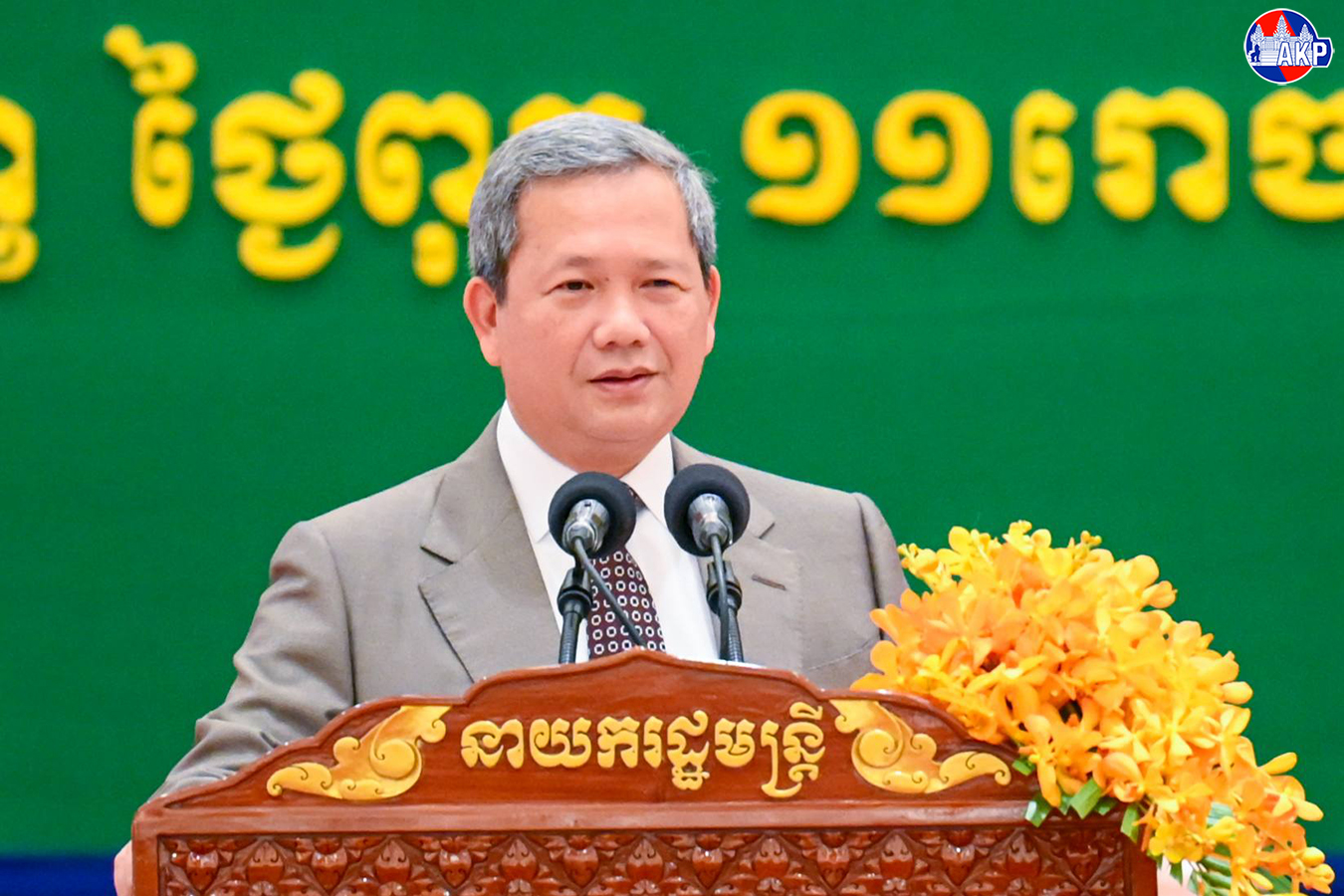
Samdech Akka Moha Sena Padei Techo Hun Sen, Acting Head of State, has reaffirmed that Cambodia’s approach to resolving the border issue with Thailand is through peaceful means.
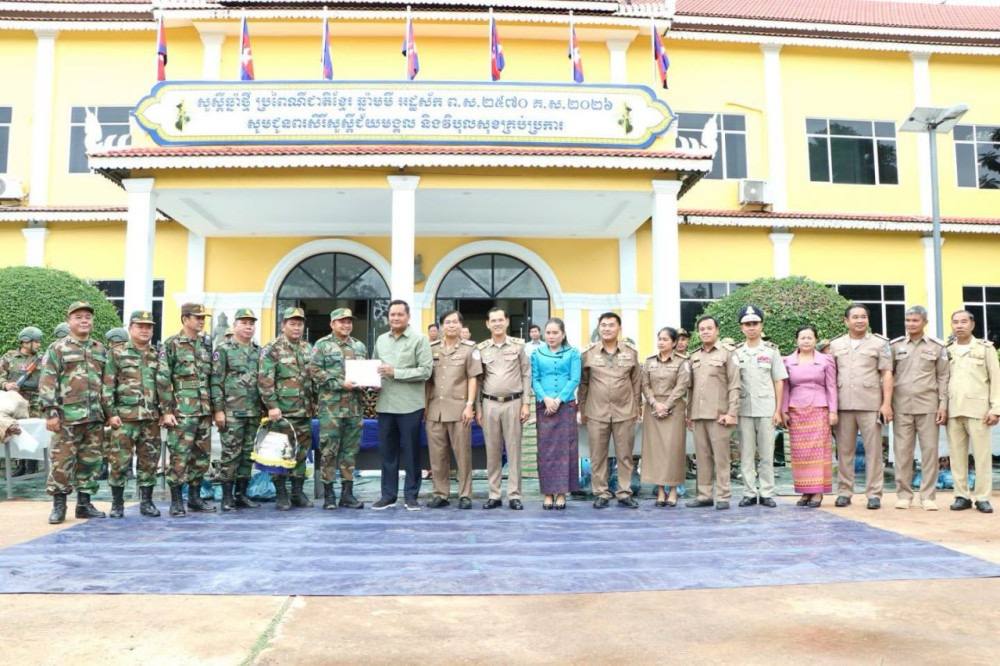
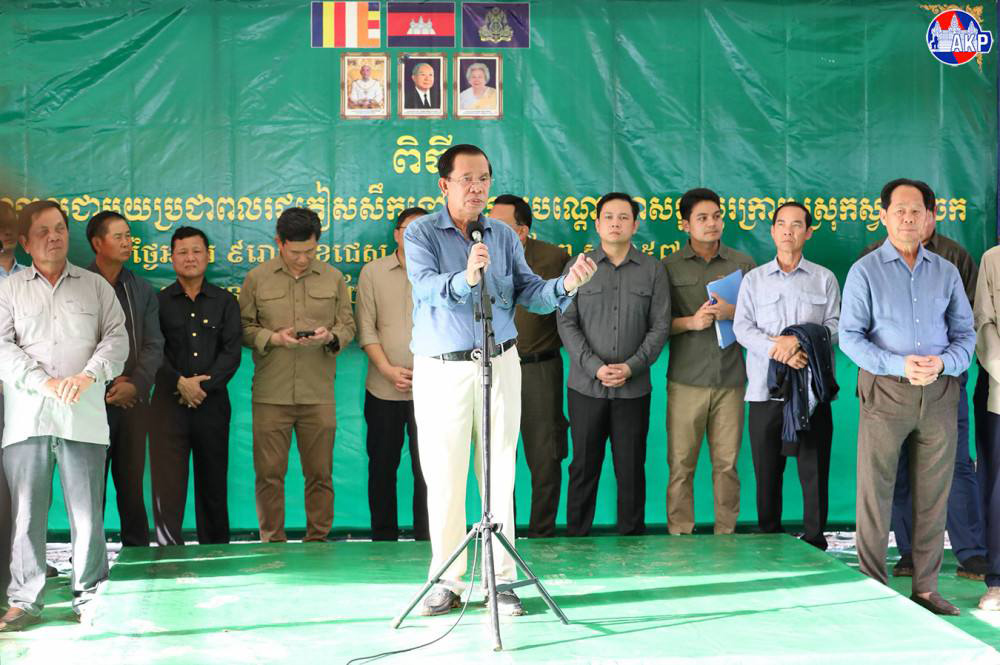
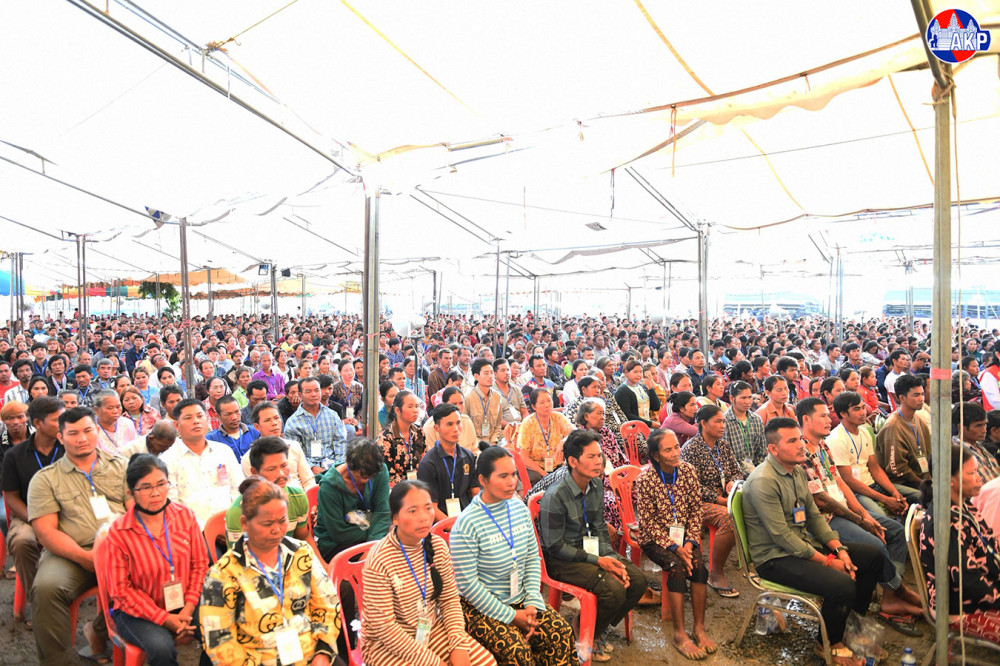
“I would like to send a message that a peaceful solution is more sustainable than a military solution,” Samdech Techo Hun Sen said while visiting Cambodian displaced people in Svay Chek district, Banteay Meanchey province, on Tuesday morning.
Samdech Techo Hun Sen stressed that a peaceful solution based on internationally recognised laws and treaties would benefit both sides. Referring to discussions over border closures, he reiterated that decisions on whether to close or reopen the border rest with Thailand.
“What Cambodia can say is that whether the border is closed or not — for 100 years or even 500 years — is their decision,” he said.
The Acting Head of State acknowledged that tensions had increased but emphasised the importance of finding a way forward. He added that if Thailand chooses not to pursue such an approach, it would bear responsibility in the international arena.
“The Cambodian-Thai border issue is linked to the Franco-Siamese Convention of 1904 and the Franco-Siamese Treaty of 1907, which define both the Cambodia-Thailand and Laos-Thailand borders,” he underlined.
Samdech Techo Hun Sen further stated that revoking these agreements would also affect the border arrangements with Laos, as the treaties remain binding.
He called for patience and expressed hope that the Thai side would honour its commitments following repeated delays. He questioned how the international community would respond if negotiations were abandoned despite the ceasefire arrangement.
“We must be a state that respects the law,” he emphasised. “If we immediately open fire, the first bullet would mark Cambodia’s failure. By violating the ceasefire, we would suffer major losses. The international community would seriously condemn us; therefore, we should not do that. It would represent an immediate political and diplomatic failure.”
By Heng Panha