KH
KH  FR
FR  AR
AR CN
CNCambodia's Mondulkiri Province Embraces Eco-Friendly Farming to Boost Livelihoods and Combat Climate Change
AKP Phnom Penh, May 25, 2026 --
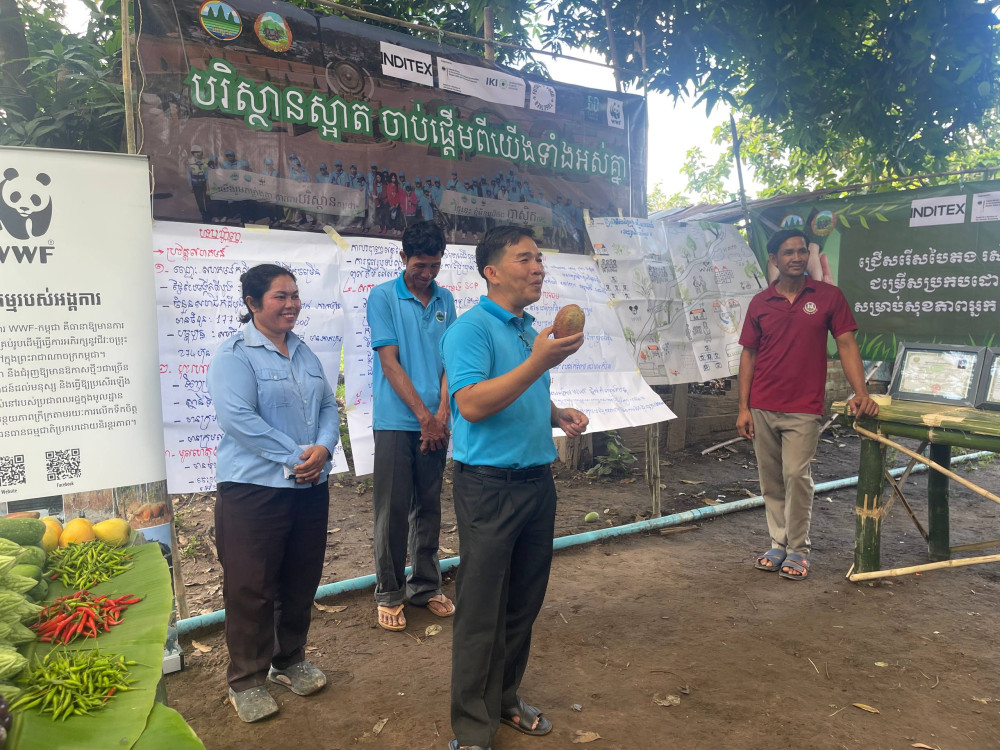
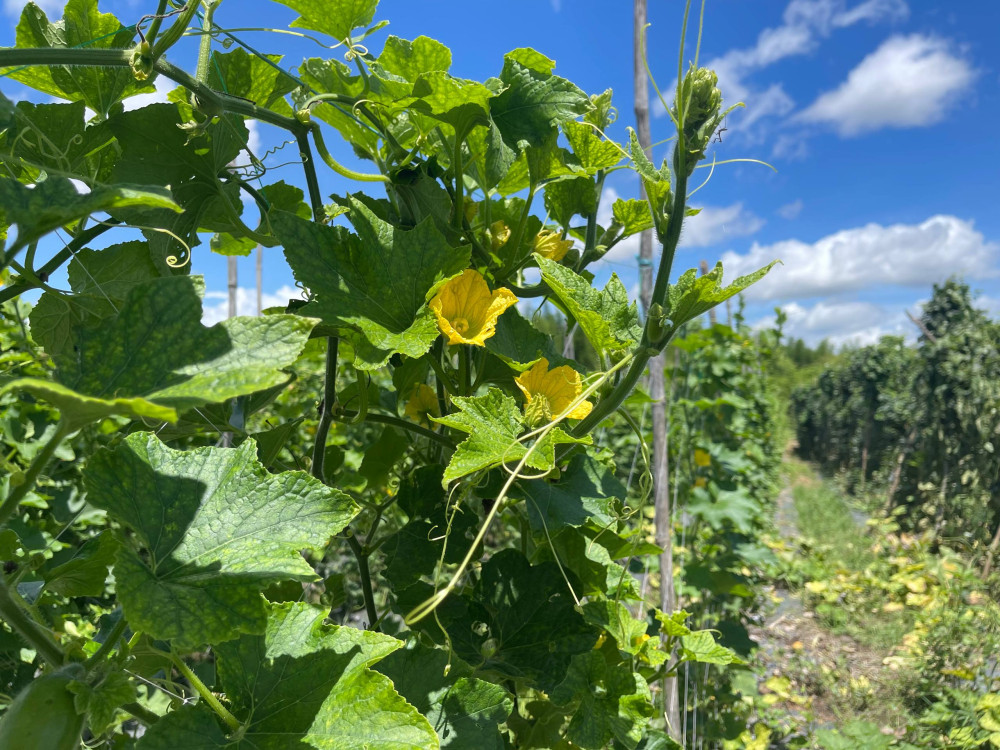
Smallholder farmers in Koh Nhek district, Mondulkiri province, are increasingly turning to sustainable, organic agriculture to lift family incomes and mitigate the impacts of climate change, Royal Government and conservation officials said over the weekend.
The shift toward family-scale organic farming is playing a vital role in environmental protection by capturing greenhouse gases and lowering emissions, according to Cambodia's Ministry of Environment.
During a press tour to the northeastern province, H.E. Khvay Atitya, Undersecretary of State and Spokesperson for the Ministry of Environment, highlighted that these community-led initiatives ensure both local food security and forest protection.
"Empowering these smallholder farmers not only upgrades their family livelihoods but also actively safeguards our environment, serving as a direct response to climate change," H.E. Khvay Atitya said.
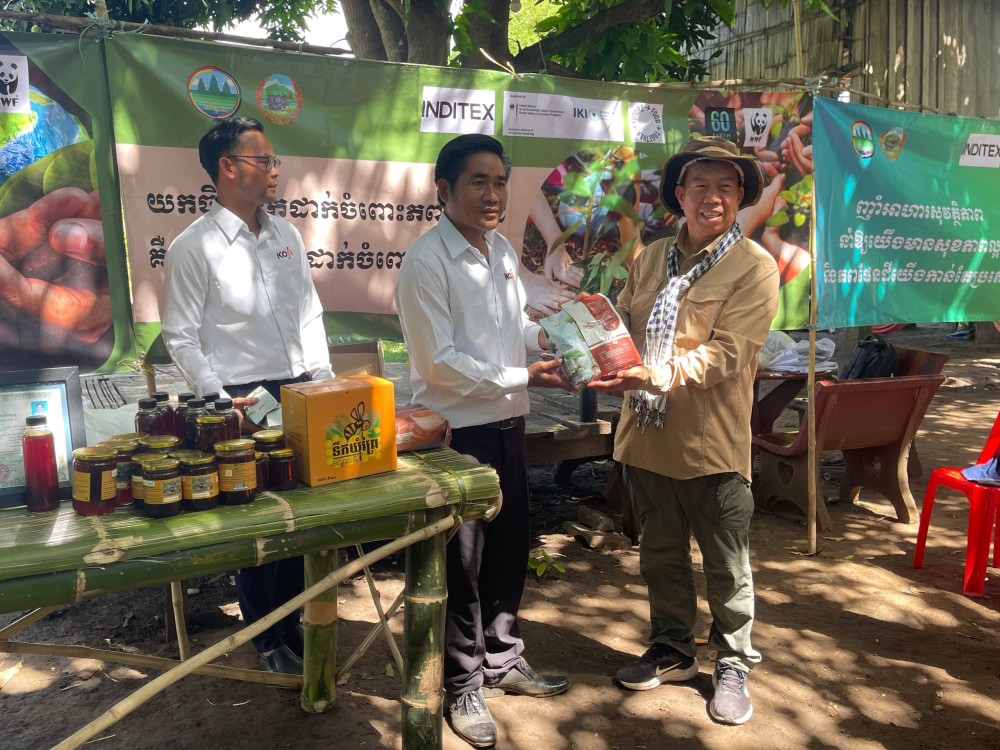
In addition to farming, the Royal Government of Cambodia is encouraging local communities to harvest non-timber forest products sustainably. H.E. Khvay Atitya pointed to traditional honey harvesting as a prime example of successful conservation.
"Local wild honey collectors are using traditional techniques that avoid burning or destroying hives, leaving a portion intact for reproduction," he said. "This method has been widely adopted across the community.
Furthermore, it prevents forest fires that threaten our wildlife and natural resources—valuable heritage passed down by our ancestors."
The eco-friendly transition is heavily supported by international conservation groups. Dr. Dipankar Chyau Patnaik, Country Director of WWF-Cambodia, emphasised that community engagement is critical to preserving Cambodia's rich biodiversity.
According to Dr. Patnaik, WWF-Cambodia focuses on creating new economic opportunities that improve the quality of life in rural areas, directly contributing to poverty alleviation and sustainable community growth.
By providing professional training and strengthening local resource management, the initiative aims to transform targeted communities into ecotourism hubs.
Royal Government officials noted that this strategic shift has successfully redirected locals away from illegal logging and poaching toward sustainable jobs in the green tourism sector, securing a stable and legally sound income for rural families.
By K. Rithy Reak