KH
KH  FR
FR  AR
AR CN
CNCambodia and Japan’s Daikin Deepen HVAC Training Partnership to Forge High-Skill Workforce
AKP Phnom Penh, May 22, 2026 -- Cambodia and Japanese air conditioner giant Daikin Industries Ltd. have agreed to expand their partnership to develop skilled talent in the heating, ventilation, and air conditioning (HVAC) sector – a key step in the nation’s push toward high-income status by 2050.
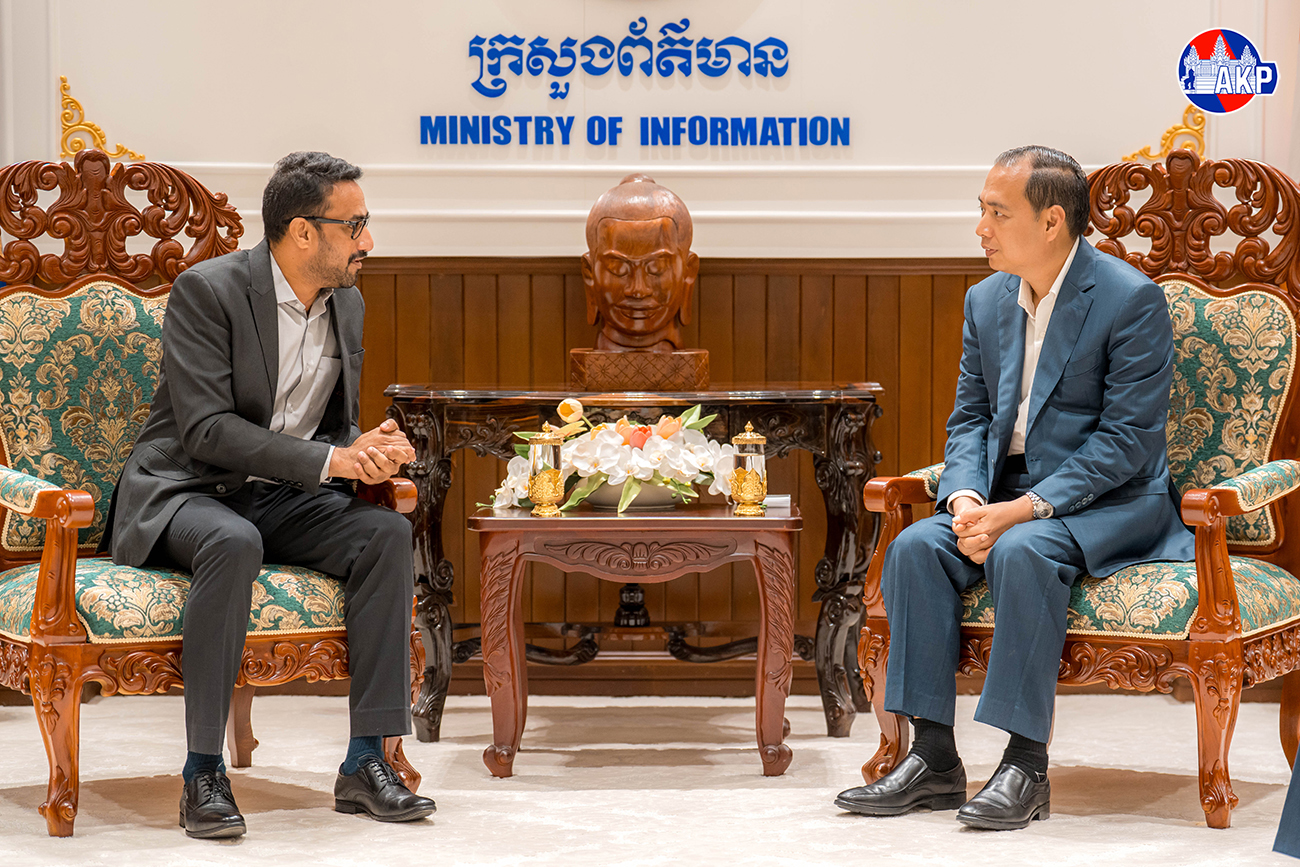
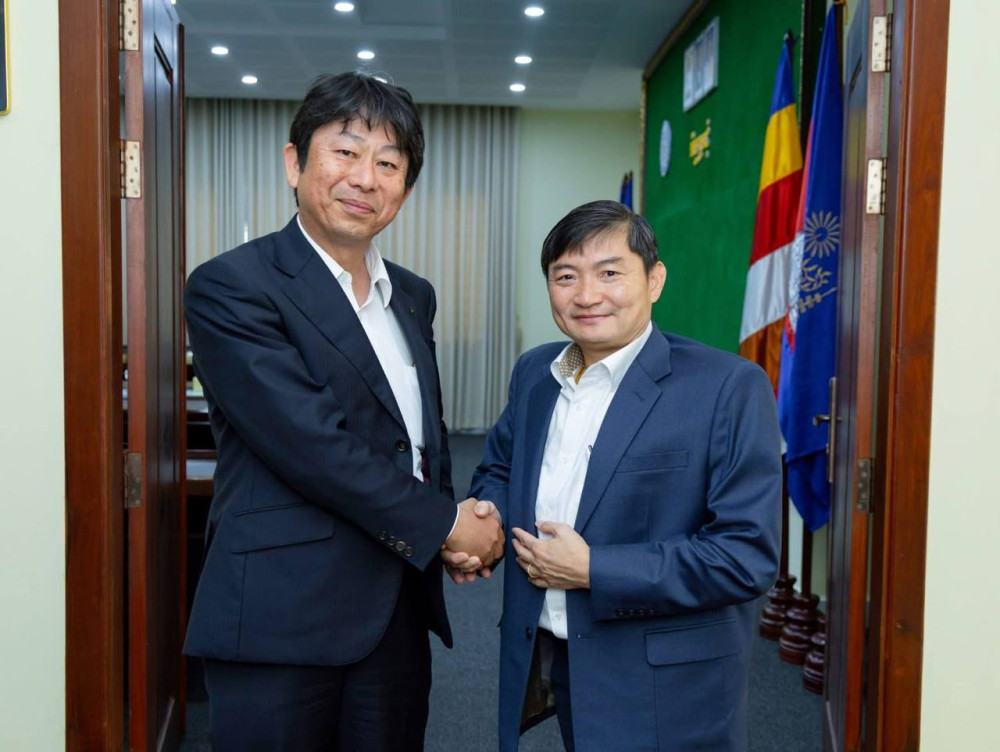
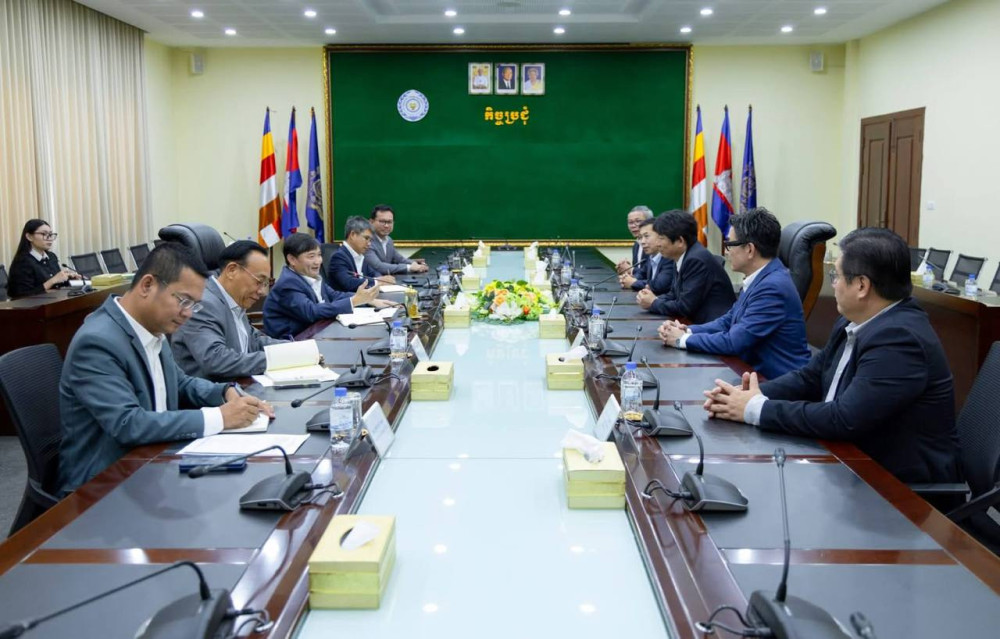
The commitment came during a meeting Thursday at Cambodia’s Ministry of Labour and Vocational Training between Minister H.E. Heng Sour and Mr. Junichi Omori, Daikin’s Senior Executive Officer and General Manager of Global Operations.
Last month, the two sides opened the “Daikin Dojo Training Centre” at the Industrial Technical Institute (ITI) – a milestone H.E. Heng Sour called transformative. “It has elevated ITI into a leading facility,” he said, adding that the collaboration has boosted instructor capacity, curriculum quality, and graduate employability, with trainees securing competitive salaries.
The Minister emphasised Cambodia’s major investment in Technical and Vocational Education and Training (TVET) programmes, designed to align youth skills with market needs – especially in HVAC. He noted that Cambodian Prime Minister Samdech Moha Borvor Thipadei Hun Manet’s vision of becoming a high-income nation by 2050 rests on building a modern workforce, with human capital as a core pillar.
In response, Mr. Omori thanked the Ministry for supporting the Daikin Dojo, stressing that HVAC training is industry-critical. He explained Daikin’s business model goes beyond selling units to include after-sales service and spare parts – a strategy that creates sustained demand for expert technicians. “That means continuous investment in local talent,” he said.
H.E. Heng Sour welcomed Daikin’s deepening commitment, calling it an introduction of Japanese “gold standard” quality and innovation to Cambodia, including environmentally sustainable cooling solutions.
Both sides reaffirmed their goal to strengthen the partnership, aligning workforce development with both corporate needs and Cambodia’s long-term labour market strategy.
By K. Rithy Reak