KH
KH  FR
FR  AR
AR CN
CNCambodia Highlights Importance of Early Childhood Education at Global Education Forum in UK
AKP Phnom Penh, May 19, 2026 --
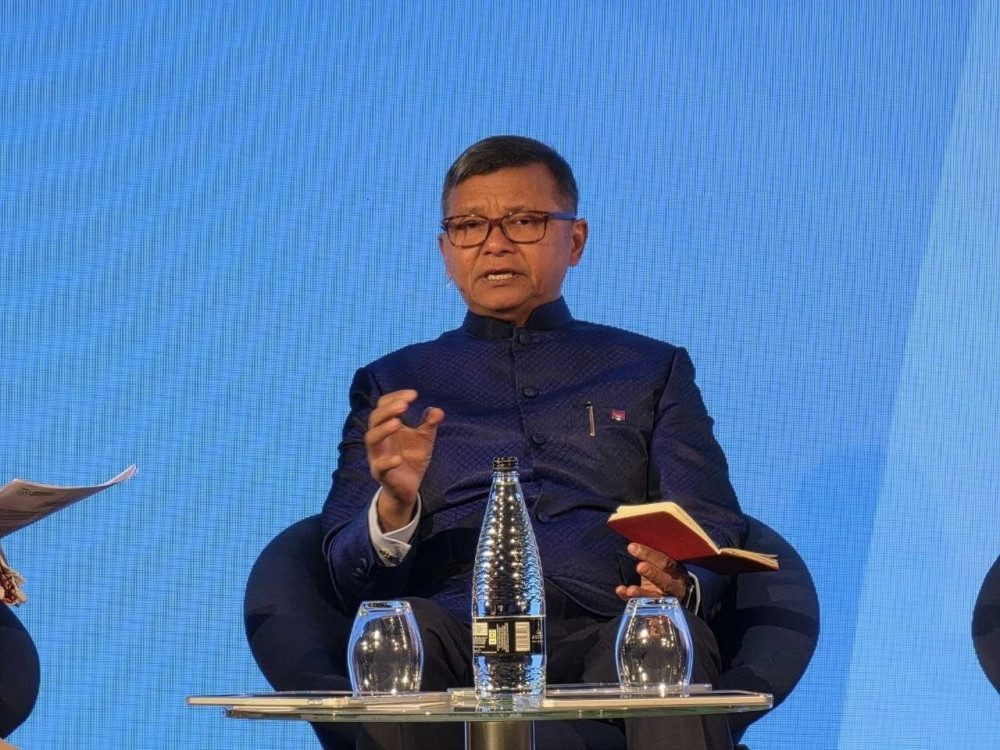
A Cambodian delegation led by Deputy Prime Minister and Minister of Education, Youth and Sport H.E. Dr. Hang Chuon Naron participated in a discussion forum on “Advancing Early Years Learning for a Changing World” during the Education World Forum 2026 held at the Queen Elizabeth II Centre in the United Kingdom on May 18.
The forum brought together education ministers from Uzbekistan, Colombia, and Slovakia, along with international education experts and distinguished guests.
During the discussion, H.E. Dr. Hang Chuon Naron highlighted the critical role of early childhood education in building a strong and indispensable foundation for human capital development. He stressed that children who receive proper care, professional support, and a warm environment from families and communities are more likely to successfully complete preschool and primary education while reducing dropout rates.
The Deputy Prime Minister cited research findings showing that 80 percent of brain connections are formed during the first three years of life. During this period, children’s neurological and brain development progresses rapidly, laying the groundwork for intellectual growth, cognitive abilities, and essential life skills such as social interaction, confidence, patience, and communication skills that contribute to lifelong learning success.
H.E. Dr. Hang Chuon Naron further noted that quality early childhood education and development support children’s cognitive, social, emotional, and physical development, especially during the most critical years of brain growth. He added that strong foundational learning in language, numeracy, and problem-solving skills helps prepare children for primary education while reducing grade repetition and school dropout rates.
He emphasised that students who attend preschool tend to achieve better learning outcomes in primary education. At the same time, early childhood education also helps societies address modern challenges, including adaptability, lifelong learning, health and well-being, and resilience to crises.
The Deputy Prime Minister also stressed that an effective early childhood education system requires well-trained and supported educators, play-based and culturally relevant curricula, safe learning environments, strong parental engagement, sustainable public financing, and effective governance.
He underlined that expanding access to early childhood education is a strategic foundation for national development, ensuring every child has a fair start while contributing to a more equitable, productive, and resilient society.

By C. Nika