KH
KH  FR
FR  AR
AR CN
CNCambodia Shares Education Reform Progress at Ministerial Dialogue on Accelerating Foundational Learning in UK
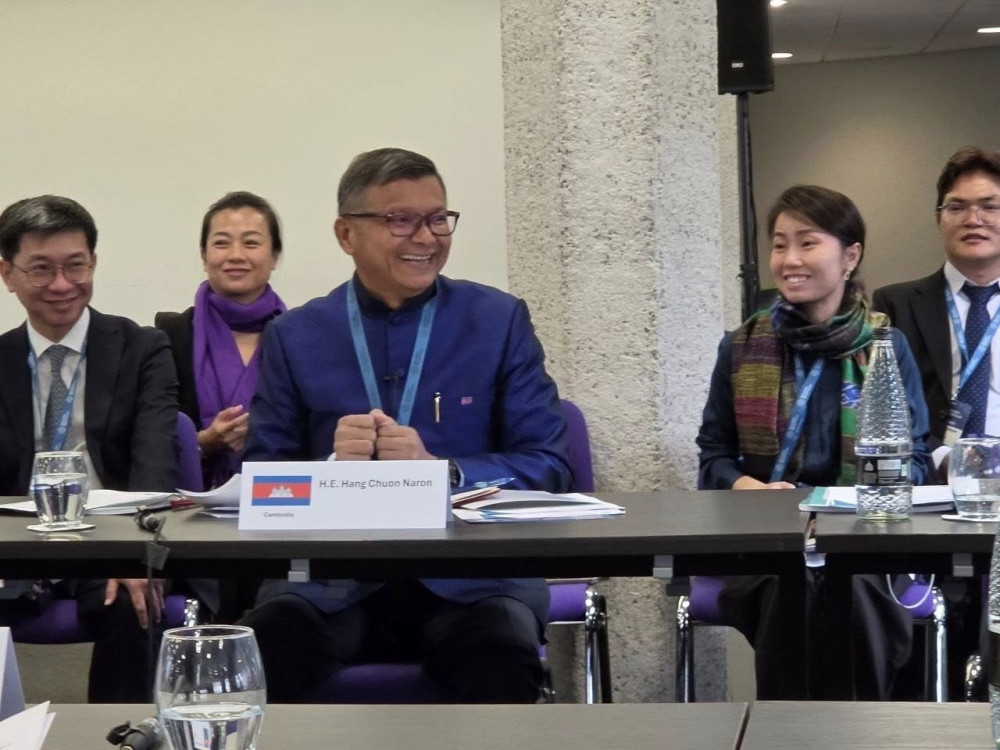
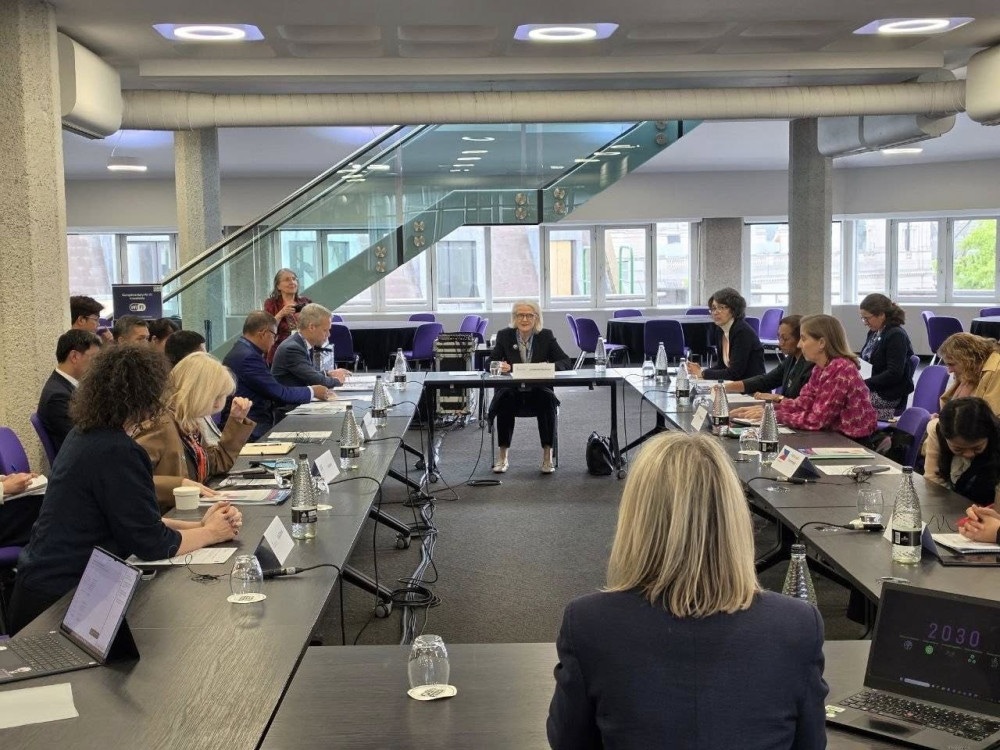
AKP Phnom Penh, May 19, 2026 -- Deputy Prime Minister and Minister of Education, Youth and Sport H.E. Dr. Hang Chuon Naron led a Cambodian delegation to participate in the Ministerial Dialogue on Accelerating Foundational Learning during the Education World Forum 2026 held at the Queen Elizabeth II Centre in the United Kingdom on May 18.
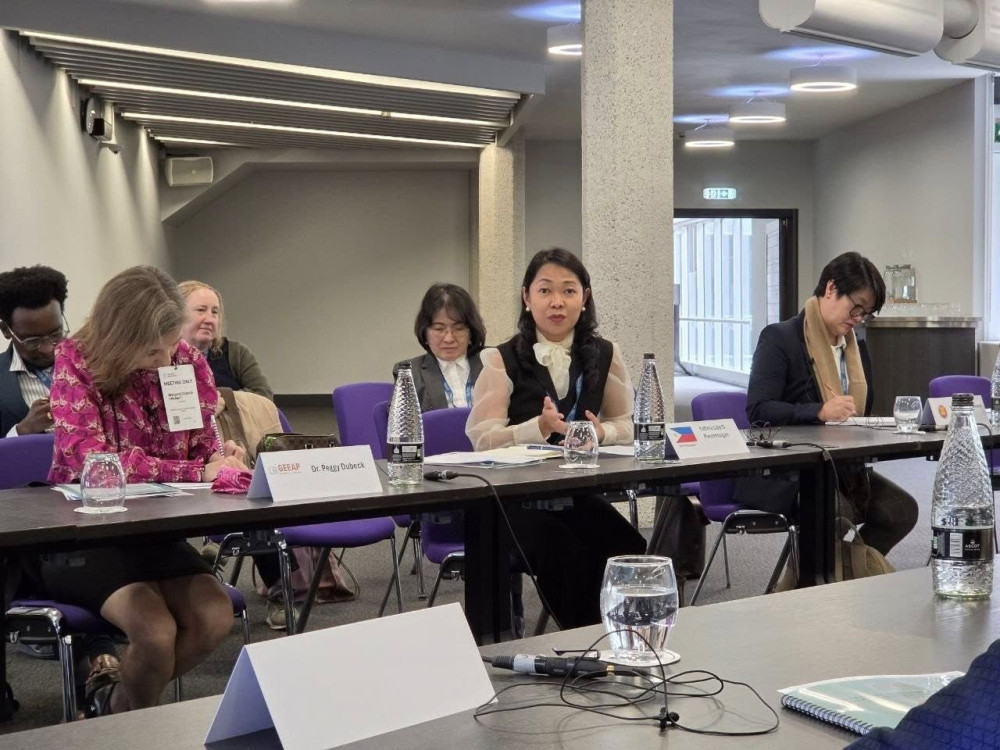
The dialogue brought together education ministers and experts from various countries and international institutions, including representatives from the Philippines and Timor-Leste, Dr. Rachel Glennerster, Professor of Economics at the University of Chicago and Chair of the Global Education Evidence Advisory Panel (GEEAP), Dr. Noam Angrist and Dr. Michelle Kaffenberger from Oxford University, Mr. Christian Bodewig, Director for Education and Skills at the World Bank, and Ms. Rodora Turalde Babaran, Head of Human Development Division at the ASEAN Secretariat.
During the session, H.E. Dr. Hang Chuon Naron shared Cambodia’s experiences and progress in foundational education reform. He highlighted the results of the 2024 Southeast Asia Primary Learning Metrics (SEA-PLM) assessment and the Ministry’s ongoing efforts to improve student learning outcomes.
The Deputy Prime Minister underlined that improving the quality of foundational education remains an urgent national priority. He noted that SEA-PLM provides valuable data and insights into student performance, teaching quality, learning environments, and challenges facing the education sector.
He stressed that the findings serve not only as statistical references, but also as a reflection and roadmap for Cambodia’s education reform process. According to him, the 2024 SEA-PLM results have enabled Cambodia to identify key challenges within its education system and formulate more effective policies to address them.
H.E. Dr. Hang Chuon Naron also outlined several policy measures being implemented by the Ministry of Education, Youth and Sport to support foundational learning reforms. These include restructuring the teaching workforce with a focus on improving contract teacher arrangements, reforming teacher salaries and incentives, strengthening pre-service teacher education and training (PRESET), introducing teacher licensing, and improving the Continuous Professional Development (CPD) system into a national framework.
Additional reforms include strengthening teacher accountability, enhancing the role of school leadership through school reform programmes, establishing minimum weekly working hours aligned with international standards, introducing digital attendance monitoring integrated with the HRMIS and payroll systems, and empowering school principals and school management committees to ensure teaching standards and accountability within schools and communities.
By C. Nika