KH
KH  FR
FR  AR
AR CN
CNCambodia Briefs Diplomatic Corps on New Law to Combat Online Scams
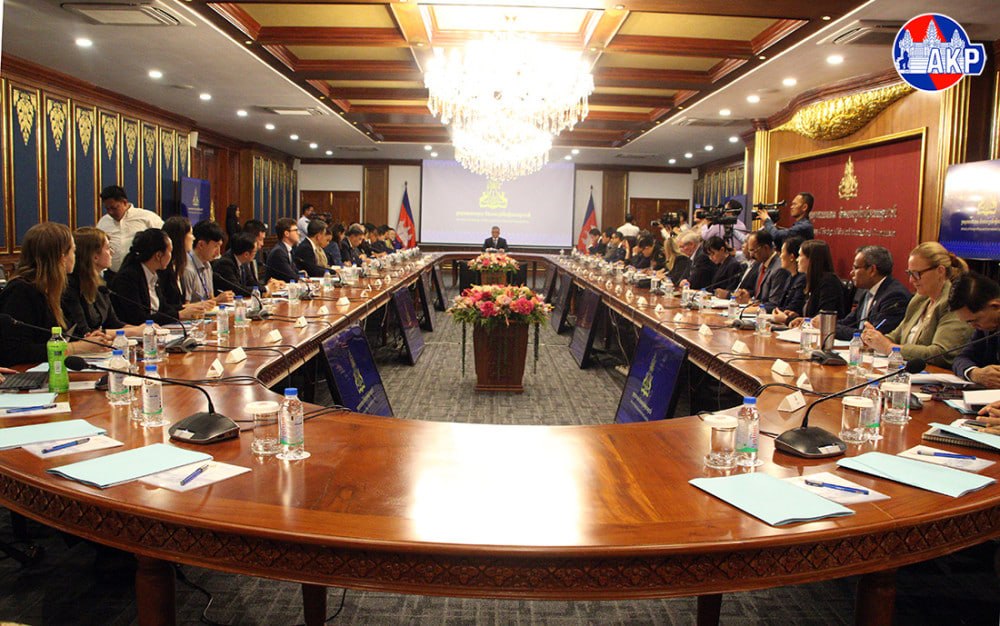
AKP Phnom Penh, April 09, 2026 -- The Ministry of Foreign Affairs and International Cooperation (MFAIC) on Wednesday briefed members of the diplomatic corps and international organisations on Cambodia’s newly enacted Law on Combatting Online Scams, reinforcing the government’s intensified efforts to tackle transnational cybercrime.
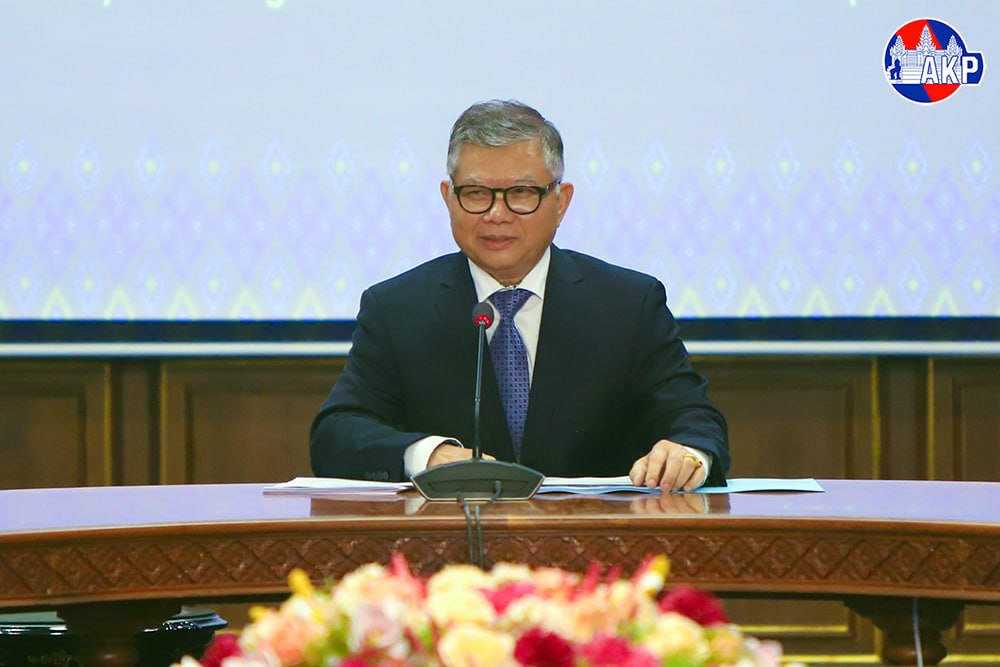
The briefing, held a day after the law came into force on April 7, was led by Senior Minister H.E. Santepundit Chhay Sinarith, Head of the Secretariat of the Commission for Combating Online Scams. He expressed appreciation to foreign missions and partners for their continued cooperation in addressing the growing threat of online fraud.
Senior Minister Chhay Sinarith highlighted the increasing sophistication and cross-border nature of technology-based scams, noting their serious impact on public security and Cambodia’s national reputation. He pointed to the government’s nationwide crackdown, led by Prime Minister Samdech Moha Borvor Thipadei Hun Manet, which has already produced significant results.
He stressed that the newly enacted law serves as a comprehensive legal framework, introducing stringent penalties for offenders and equipping law enforcement authorities with stronger tools to combat online scams more effectively.
The Senior Minister assured that enforcement of the law will be firm, transparent, and in full accordance with due process. He also emphasised that legal protections will be upheld for individuals cooperating with authorities, as well as for genuine victims and innocent property owners.
Addressing operational challenges, he outlined Cambodia’s efforts to strengthen its capacity to respond to evolving criminal tactics, including the use of artificial intelligence, encrypted communication platforms, illicit financial applications, and fraudulent investment schemes.
Reaffirming that combating online scams remains a top priority for the Royal Government, Senior Minister Chhay Sinarith called for continued international support in capacity building, technical assistance, information sharing, and coordinated repatriation efforts.
By C. Nika