KH
KH  FR
FR  AR
AR CN
CNOpinion: Real Image of Thai Society Towards Cultural Claims
AKP Phnom Penh, April 07, 2026 —
A careful examination of recent social media narratives in Thailand reveals a troubling divergence from the principles of the UNESCO 2003 Convention for the Safeguarding of the Intangible Cultural Heritage. Rather than promoting shared heritage, historical continuity, and community-based transmission, these narratives increasingly advance exclusivist claims over cultural practices that are inherently transnational and historically interconnected.
The case of Sangkran illustrates this contradiction. Celebrated widely across South and Southeast Asia, the festival reflects a regional tradition with deep historical roots beyond any single nation. Its portrayal in Thai social media as exclusively national property demonstrates a simplification of history and a disregard for the pluralistic origins emphasized by the 2003 Convention.
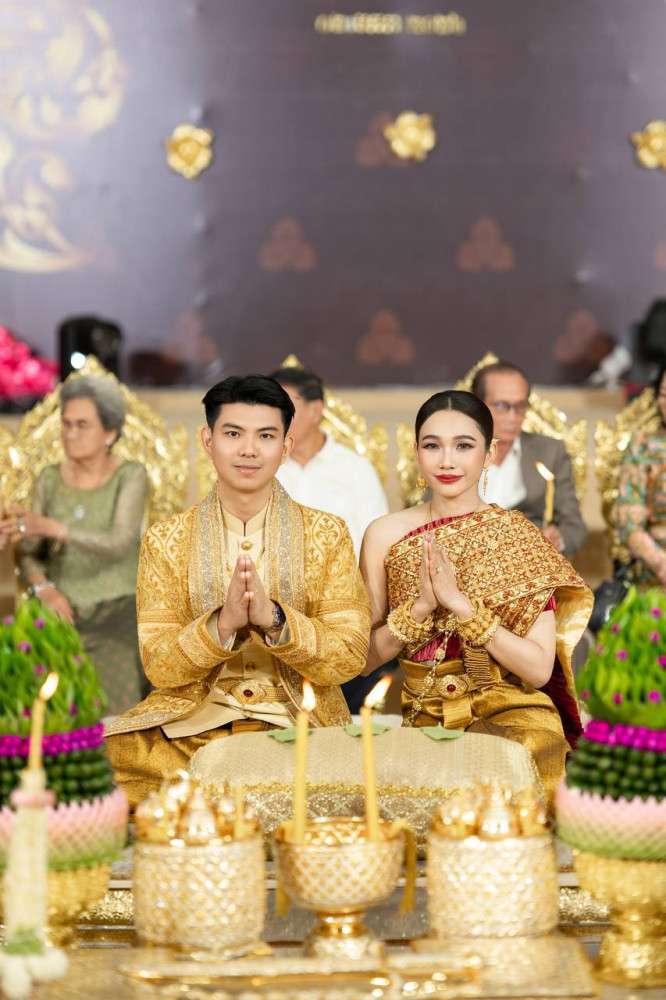
Similarly, the representation of traditional attire in digital platforms reflects a pattern of cultural rebranding that prioritizes visibility and nationalist promotion over scholarly accuracy. These narratives often neglect the long history of cultural exchange across mainland Southeast Asia, particularly within the interconnected Indic and Khmer civilizational spheres.
More broadly, these tendencies point to the rise of digitally amplified nationalism, where popular assertion replaces historical method. Unlike contexts grounded in continuous documentation and lived cultural transmission, such as in Cambodia, certain contemporary claims appear rooted in modern reinterpretations rather than verifiable historical continuity. This not only weakens their credibility but also projects an image of a society struggling with cultural literacy and ethical standards in heritage discourse.
Furthermore, the widespread amplification of such narratives risks distorting international perception and undermining the cultural integrity of neighboring societies. It shifts the discourse from mutual respect toward competition and appropriation, contradicting the fundamental ethos of cultural safeguarding.
In conclusion, the “real image” reflected through these trends is not one of responsible cultural stewardship, but of contested identity shaped by incomplete historical understanding and strategic cultural branding. To align with the spirit of the 2003 Convention, intangible cultural heritage must be recognized not as an instrument of exclusivity, but as a shared legacy requiring accuracy, humility, and respect among all communities.

Roth Santepheap is a geopolitical analyst based in Phnom Penh.
(The views expressed are his own)