KH
KH  FR
FR  AR
AR CN
CNCommerce Ministry: Only Over 400 Fuel Stations and Depots Remain Closed Due to Delayed New Stock Arrivals
AKP Phnom Penh, March 14, 2026 --
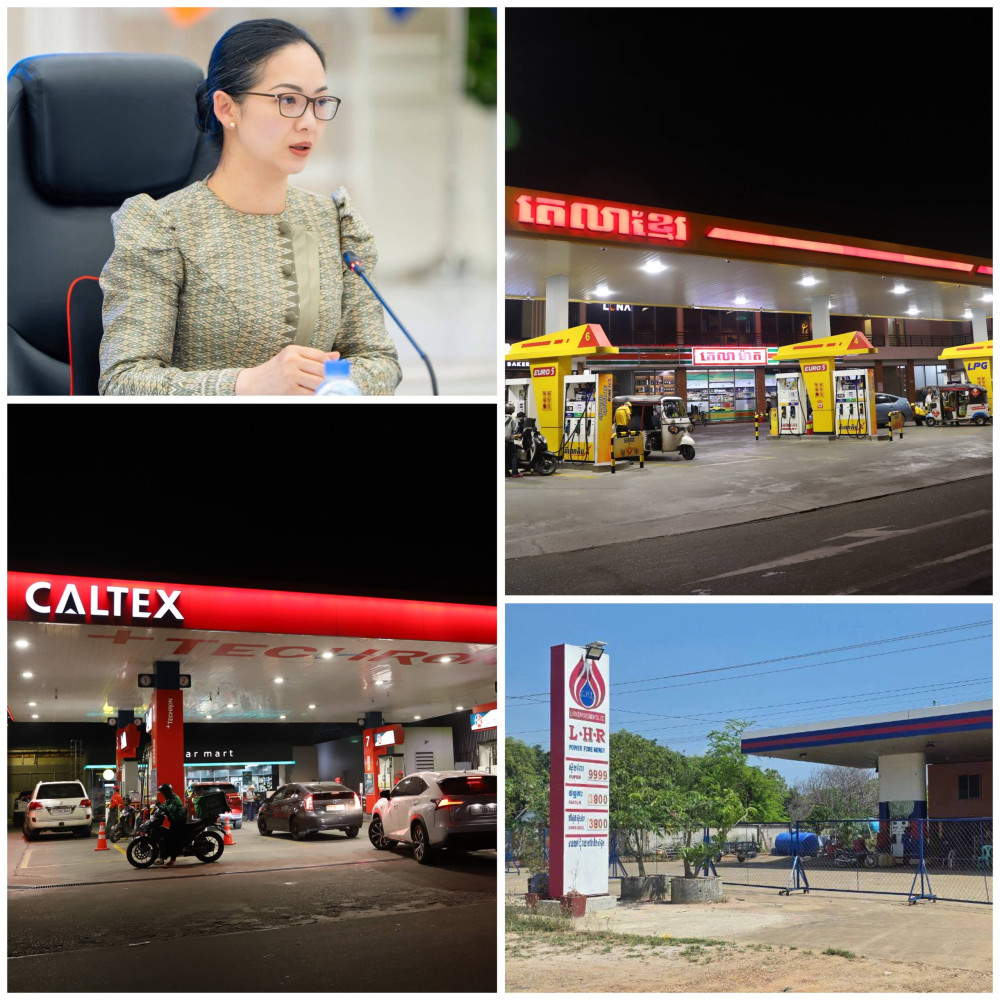
The Ministry of Commerce has announced that only more than 400 fuel stations and depots across Cambodia remain closed or have temporarily suspended operations due to delays in the arrival of new fuel stocks.
Previously, a joint working group verified that over 2,000 fuel stations and depots had closed or suspended operations without having their compliance assessed by competent authorities. Following on-site inspections and evaluations carried out with the cooperation of station and depot owners, most of these facilities have gradually resumed operations, leaving only more than 400 locations still closed or temporarily halted as of Mar. 13, 2026.
The Ministry made the announcement in a notice issued on Mar. 14, 2026, while expressing appreciation for the strong cooperation among the joint working groups from the Provincial Departments of Mines and Energy, the Provincial Departments of Commerce, the Consumer Protection, Competition and Fraud Repression Directorate-General (CCF), and relevant local authorities, who conducted inspections and compliance assessments to ensure transparency and adequate fuel supply for consumers.
At the same time, the Ministry of Commerce called on fuel stations and depots to cooperate by informing the Ministry of Mines and Energy, the Ministry of Commerce, or relevant provincial departments about any challenges or difficulties in obtaining fuel supplies so that competent authorities can facilitate and resolve supply issues in a timely manner.
For citizens, communities, and farms requiring fuel for production and logistics activities, the Ministry urged them to promptly report shortages and essential needs to local authorities – particularly commune agricultural officers – or to the relevant ministries so that authorities can assess the situation and help coordinate fuel supplies according to actual needs.
In addition, the Ministry of Commerce appealed to the public to cooperate by conserving fuel and using it only for essential daily activities.
By C. Nika