KH
KH  FR
FR  AR
AR CN
CNASEAN Technology Platform Tested to Boost Innovation Commercialisation
AKP Phnom Penh, February 13, 2026 --
The Ministry of Industry, Science, Technology & Innovation (MISTI) on Feb. 12 hosted the ASEAN Technology Management Hub (TMH) User Experience Validation Workshop to test a new platform that will eventually connect innovators with investors across the 10-nation bloc.
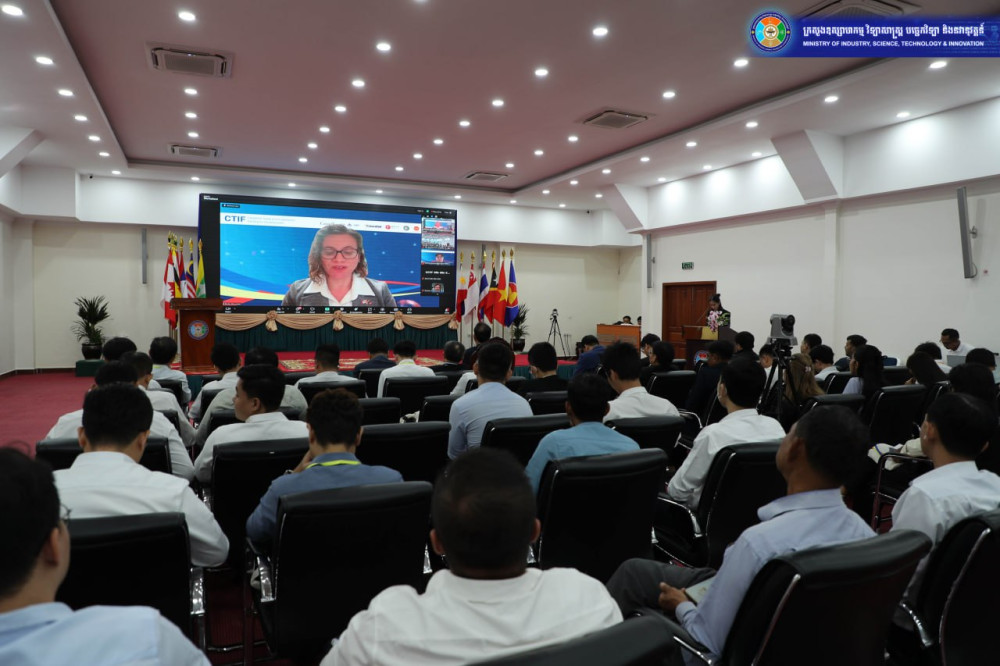
The workshop brought together around 60 stakeholders from the private sector, academia, and government to refine a digital technology management hub designed to strengthen connections and foster a more favourable innovation ecosystem between scientific research and market-ready technology across Southeast Asia.
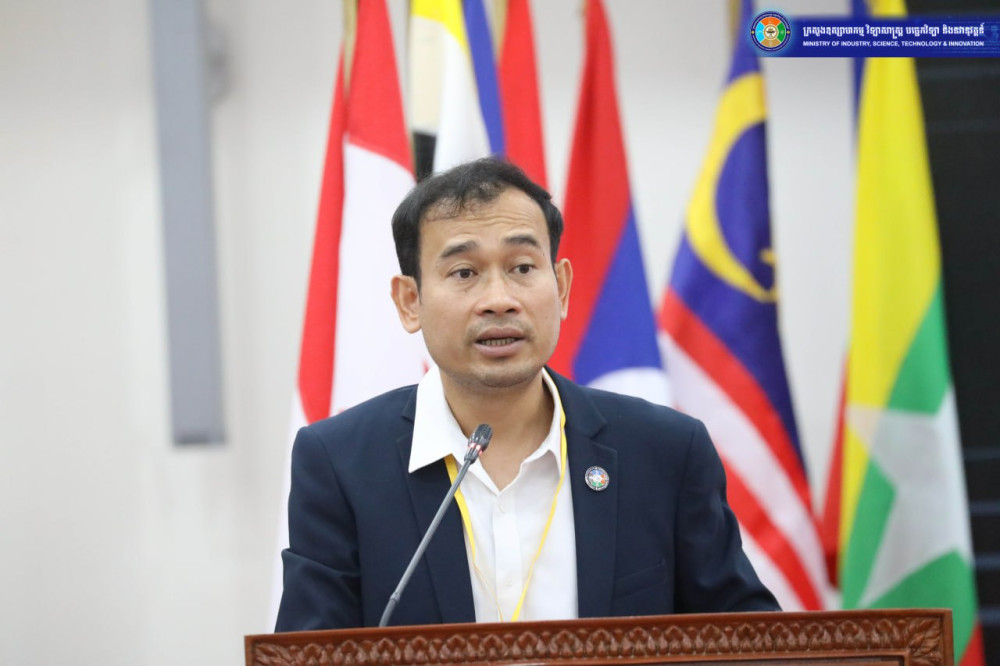
H.E. Dr. Hul Seingheng, Undersecretary of State at MISTI and Chairperson of Cambodia’s COSTI (ASEAN Committee on Science, Technology, and Innovation), described the initiative as a significant instrument for advancing the region’s economic development.
“A strong regional technology management hub will enable each of our nations to turn ideas into enterprise, research into results, and partnerships into progress,” H.E. Dr. Hul Seingheng said during the opening session. “This is how we deliver on our promise to future generations.”
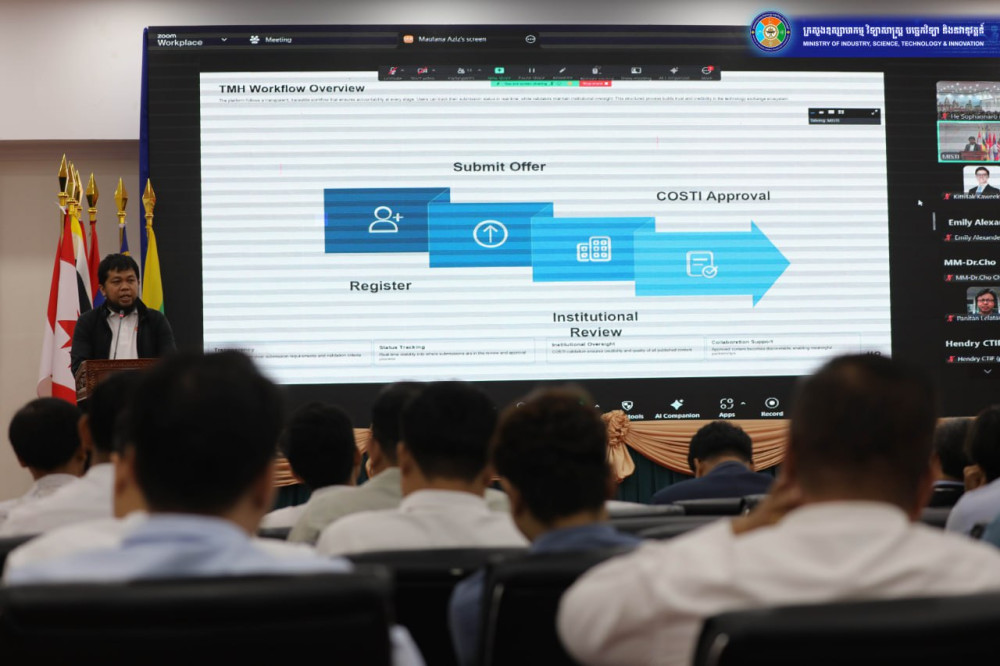
Supported by the Canadian Trade and Investment Facility for Development (CTIF), the workshop served as a hands-on testing ground for a prototype completed in December 2025. Participants were tasked with validating metadata fields, testing user interfaces, and reviewing the end-to-end workflow of technology offers and collaborative projects.
Ms. Emily Alexander, counsellor and head of cooperation at the Mission of Canada to ASEAN, said, “Canada prioritises sustainable and inclusive economic growth, and deep collaboration in digital transformation. I’m confident that these workshops will be productive and facilitate further refinement of the platform.”
Dr. Kittisak Kaweekijmanee, a senior officer of the Science and Technology Division at the ASEAN Secretariat, noted that while regional R&D expenditure grew at an average of 8.5 percent annually between 2000 and 2023, many member states still struggle to commercialise that research.
“This gap between knowledge creation and utilisation underscores the need for stronger technology management and regional mechanisms,” Dr. Kaweekijmanee said. He added that the feedback from these sessions is "vital to ensuring that the TMH evolves into an effective regional public good."
Guided by Cambodia’s STI Roadmap 2030 and the ASEAN Plan of Action on Science, Technology and Innovation (APASTI), the region is mobilising resources across eight vital missions — from food and energy security to cloud services and carbon neutrality. By 2030, leaders aim for universal utility access and a booming electronics export market, all as part of the ASEAN Vision 2045.
The TMH envisions an ASEAN where knowledge flows freely, research sparks tangible impact, and technology transfer fosters competitiveness and prosperity. Bringing innovation out of the lab and into industry, TMH is set to propel the region toward its ambitious targets.
AKP-MISTI