KH
KH  FR
FR  AR
AR CN
CNWorld Bank Urges Cambodia to Leverage Buffers and Structural Reforms to Withstand Economic Pressures
AKP Phnom Penh, December 11, 2025 --
Prudent fiscal and monetary policies, together with targeted structural reforms, will continue to be essential to cushion the slowdown and reinforce economic resilience, World Bank said in a press release issued on Dec. 11.
Cambodia’s economy is projected to grow by 4.8 percent in 2025, slowing from 6 percent in 2024 as domestic and external shocks weighed on activity.
The Cambodia Economic Update for December 2025, Coping with Shocks, examines how a softening property sector, border disruptions, and new trade restrictions are weighing on growth.
The property market downturn has dampened domestic demand and construction activity, while border tensions have disrupted labor markets and tourism.
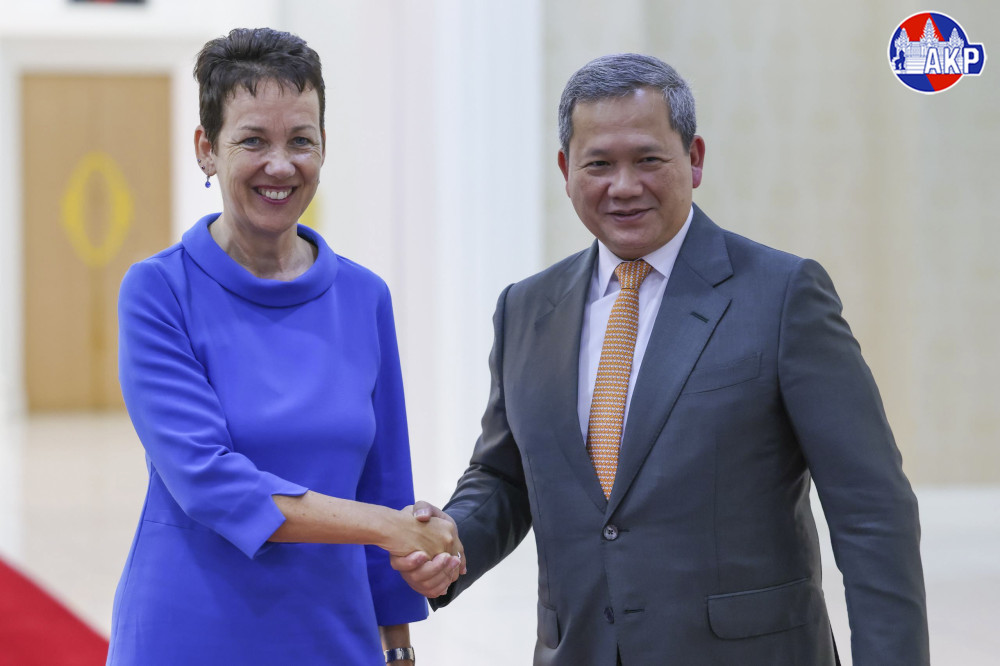
“Cambodia is navigating a challenging period amid combined domestic and external shocks,” Mrs. Tania Meyer, World Bank Country Manager for Cambodia, said in the press release. “Strong buffers and targeted reforms can help the country withstand these economic pressures. Protecting vulnerable households, including returnees, remains essential. At the same time, improving the business environment, supporting informal enterprises and easing formalisation are critical to unlock growth, level the playing field, and create better-quality jobs.”
Cambodia has entered this period of heightened pressures with solid macroeconomic buffers. International reserves remain healthy, covering around 7.5 months of imports, while public debt is low at around 26 percent of GDP.
Inflation remains contained at an average of 2.7 percent this year. Foreign direct investment inflows reached US$2.3 billion in the first half of 2025, up 28.4 percent year on year, helping to offset external imbalances.
However, government revenue performance is expected to remain subdued amid weaker consumption, and the current account deficit is expected to widen.
To respond to these challenges, the report highlights several immediate measures – such as emergency cash transfers, training and job placement for returned migrants – to cushion vulnerable households and support domestic demand.
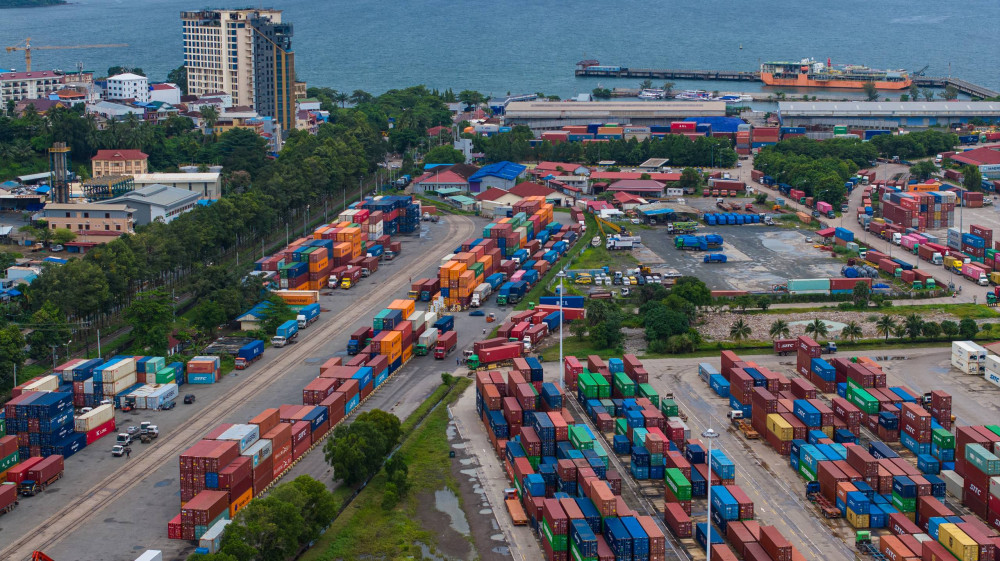
Medium term reforms focus on reducing the costs of doing business, improving access to finance for small enterprises and streamlining trade and logistics through digitisation.
The report recommends expanding social protection for owners of Survival Enterprises, assisting viable informal businesses to grow and upgrade their productivity, and helping the most productive informal businesses to formalize by lowering registration costs, expanding digital services, and offering clear incentives.
By Chea Vannak