KH
KH  FR
FR  AR
AR CN
CNMondulkiri's Lèng Kao Waterfall Emerges as Key Eco-Tourism Destination, Boosting Local Phnong Livelihoods
AKP Phnom Penh, October 31, 2025 --
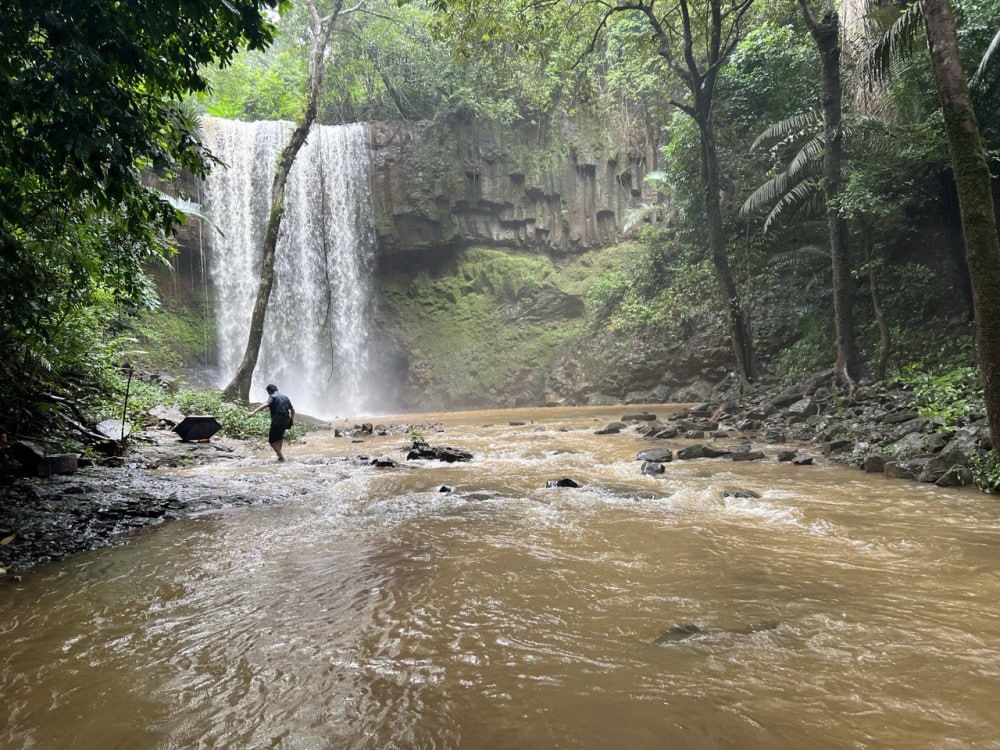
The Lèng Kao Waterfall Eco-Tourism Site in Cambodia's northeastern Mondulkiri province is rapidly establishing itself as a premier natural attraction, seamlessly blending scenic beauty with sustainable livelihood opportunities for the local indigenous Phnong community.
Located within the Keo Seima Wildlife Sanctuary, the three-tiered Lèng Kao Waterfall is a short 500-metre walk from the national road, nestled in Andoung Kroloeung village, O’Reang district. The site offers visitors a refreshing escape, particularly during the rainy season, with its cascading falls, lush greenery, cool mountain air, and dramatic rock formations.
The eco-tourism site, which covers more than 18 hectares, was officially established in 2022 under the Keo Seima REDD+ project, a major conservation initiative supported by the Wildlife Conservation Society (WCS).
According to Ms. Chreng Bet, head of the Lèng Kao Waterfall Community, the site's unique combination of natural beauty and legendary folklore has fueled its rapid rise in popularity. Between 2024 and 2025, the community welcomed more than 1,200 visitors, generating crucial income to improve local living standards.
The community now offers a range of services designed to immerse visitors in Phnong culture and nature, including: Traditional Phnong dance performances; homestay experiences; authentic indigenous cuisine; camping grounds and forest trekking tours; as well as wildlife observation and designated bathing areas.
Ms. Bet emphasised that this new economic model has created jobs, significantly reducing the past reliance on unsustainable practices like logging and hunting, and curtailing the need for local residents to migrate for work.
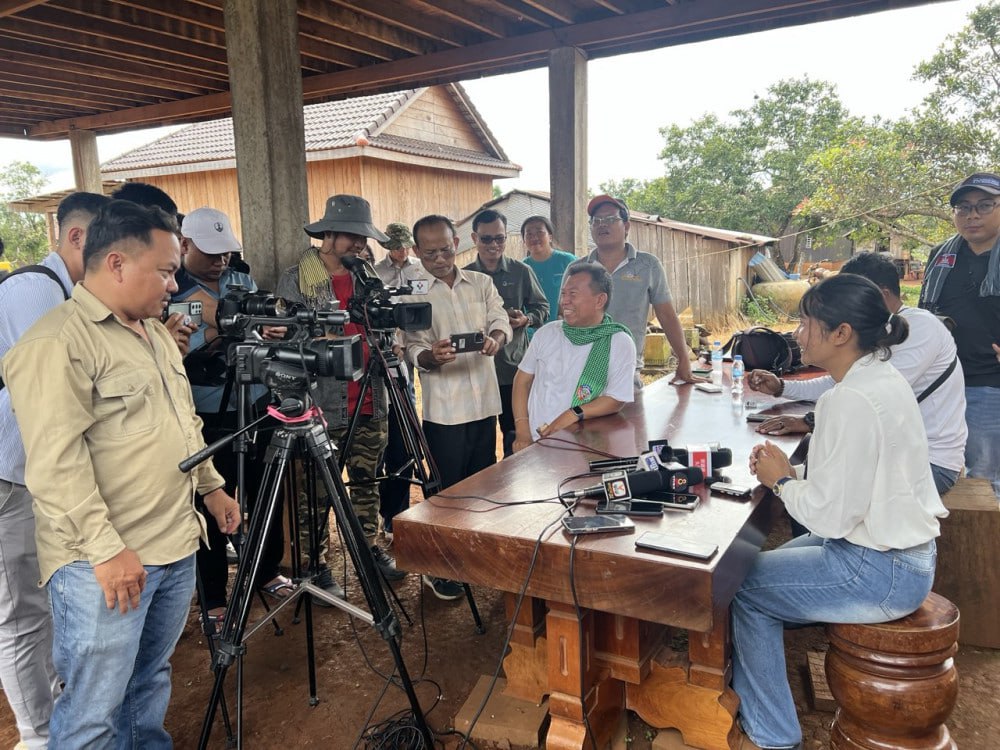
The Ministry of Environment sees Lèng Kao as a model for future development. H.E. Khvay Atitya, Spokesperson for the Ministry of Environment, announced plans to develop a wider network of community-based eco-tourism routes across Mondulkiri.
"These routes are designed to connect various natural attractions—each with its own unique features—so they complement rather than compete with one another," H.E. Atitya explained. He added that this strategy aims to ensure sustainable income for local communities while promoting the long-term conservation of the province’s rich natural resources.
The Keo Seima REDD+ project, implemented by WCS in collaboration with the Ministry of Environment, underpins this strategy by focusing on reducing greenhouse gas emissions from deforestation and forest degradation. Key activities include strengthening law enforcement, community-based natural resource management, improving livelihoods, and biodiversity research and monitoring.

By K. Rithy Reak