KH
KH  FR
FR  AR
AR CN
CNDestruction of Cultural Heritage Is Not a Nation’s Loss, but a Global Tragedy, Says ACC Chairman
AKP Phnom Penh, October 01, 2025 -- Cultural heritage belongs to all humanity. Its destruction is not just a loss for a single nation, but a global tragedy that undermines shared human history.
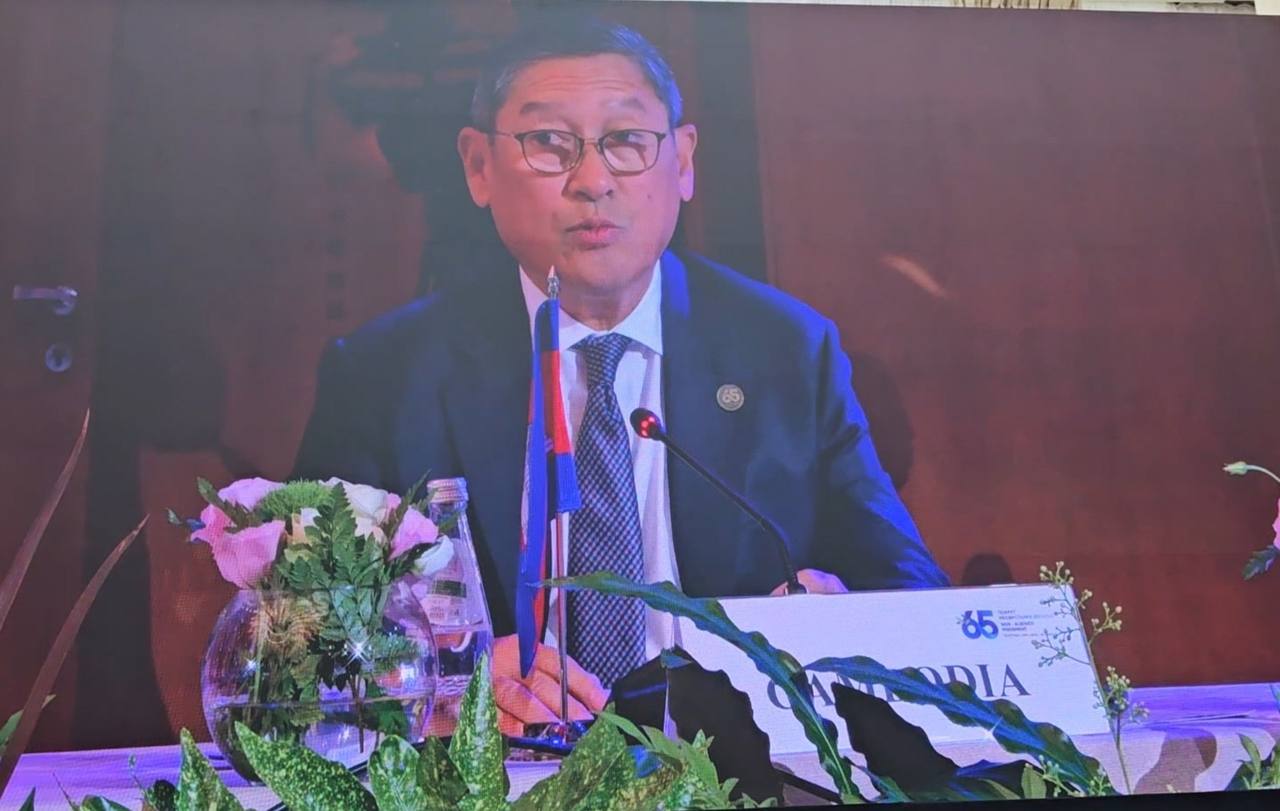
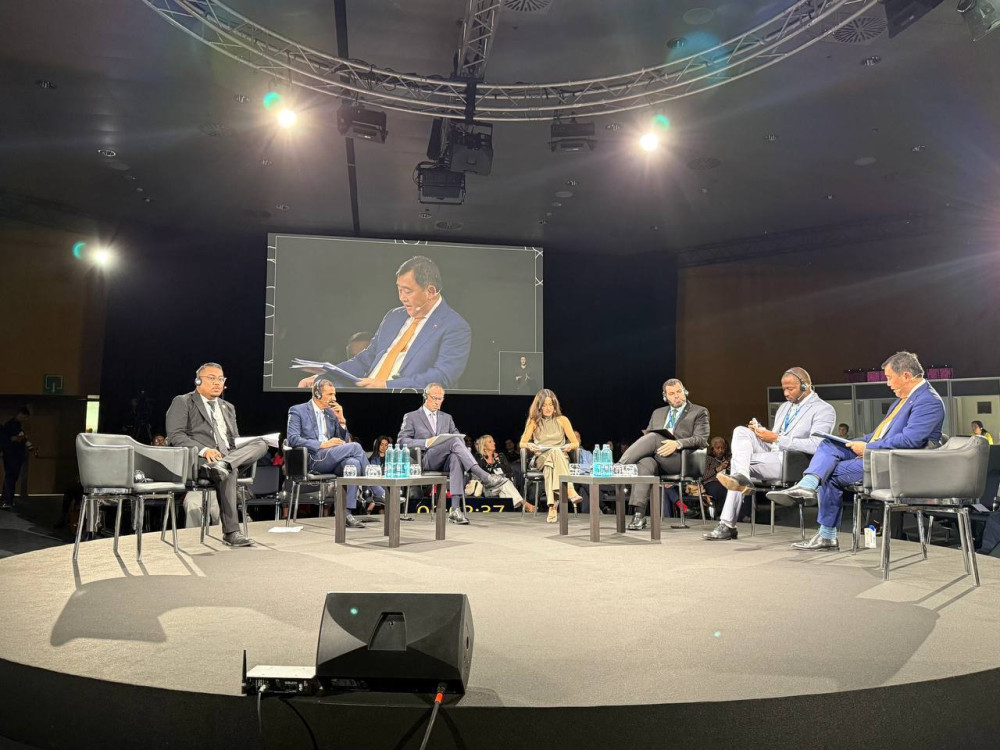
The remarks were emphasised by H.E. Suos Yara, Chairman of the Asian Cultural Council (ACC) during the Session on Culture and Peace at the UNESCO World Conference on Culture Policies and Sustainable Development (MONDIACULT 2025) in Barcelona, Japan on Sept. 30.
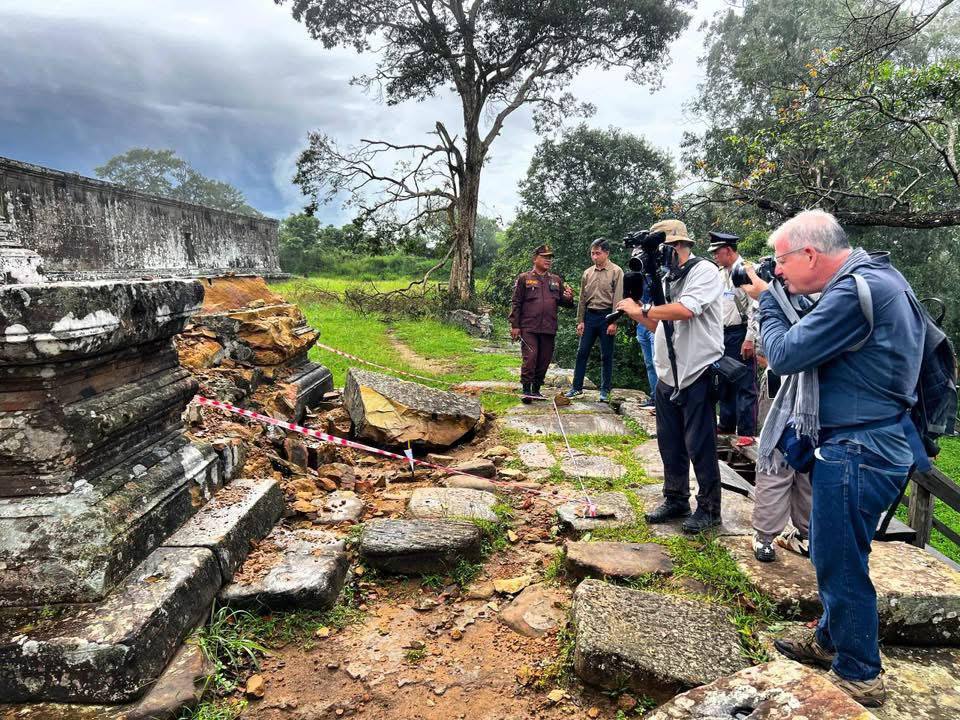
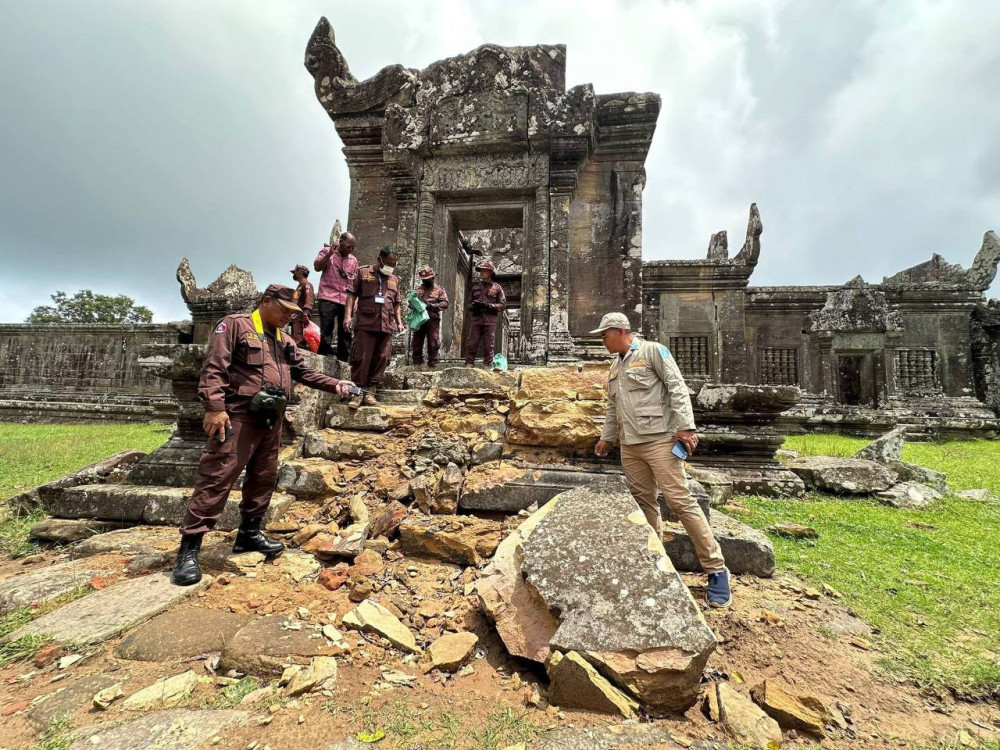
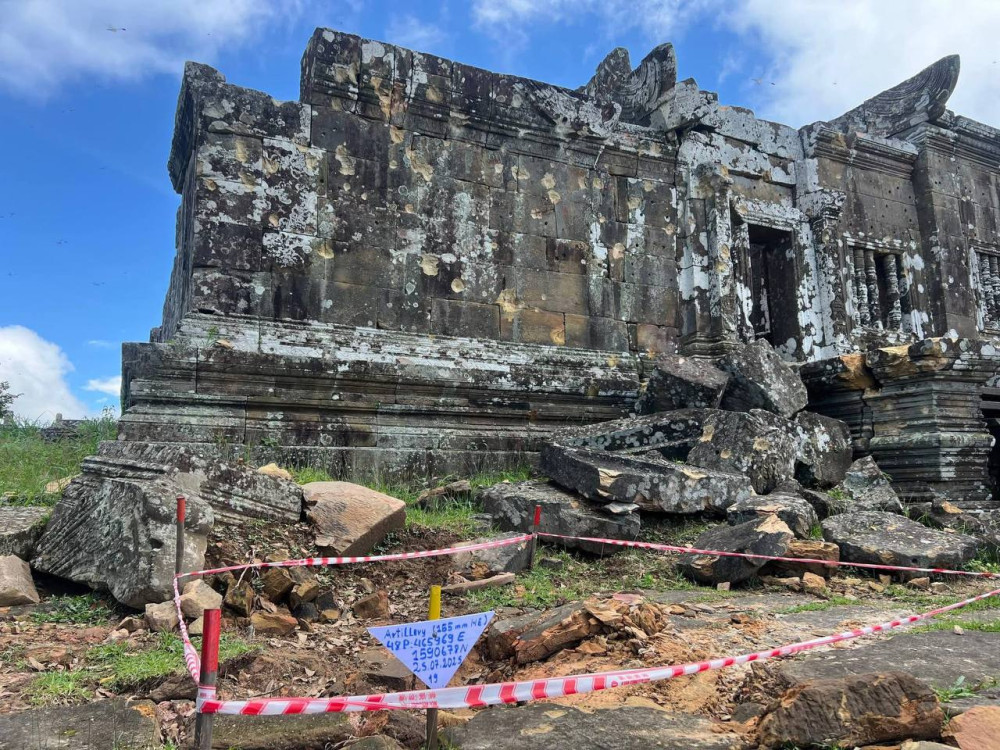
He cited the case of Preah Vihear Temple which was registered as the World Heritage List in 2008, even though with two ICJ rulings of 1962 and 2013 decidedly as solely within Cambodia’s sovereignty, in the periods of 2008-2011 and July 2025, it received heavy artillery shelling and internationally-banned cluster bombs fired from rockets and fighter jets.
H.E. Suos Yara stressed that culture plays a monumental role —as a bridge between communities and a foundation for sustainable peace. Culture must never be weaponised. Instead, it should be harnessed to address the root causes of conflict and nurture reconciliation.
The ACC Chairman called for stronger international support and enhanced regional mechanisms such as ASEAN, the UN, and especially UNESCO, which he urged to play a more important and active role in preventing tragedies against cultural heritage in today’s fragile geopolitical climate.
He highlighted that since its founding partnership with UNESCO in 2018, the ACC under the International Conference of Asian Political Parties (ICAPP) has championed cultural diplomacy, interfaith dialogue, and peace studies. Through initiatives such as the TECHO 100 Village Development, cultural corridor connectivity, and digital creative arts, the ACC has sought to place humanity and the planet at the heart of its mission.
“In 2024, we adopted the Phnom Penh Peace Declaration and supported the Universal Peace Charter (UPC): For People and the Planet—endorsed by over 60 countries and institutions. The UPC outlines five pillars: peacebuilding, conflict prevention, transitional justice, food security, and post-conflict reconstruction,” he added.
H.E. Suos Yara also underlined Cambodia’s achievements in safeguarding both tangible and intangible heritage through international cooperation. He cited ICC-Angkor and ICC-Preah Vihear as successful models of multilateral partnerships between UNESCO, the Royal Government of Cambodia, and international partners in preserving world cultural heritage sites and fostering peace.
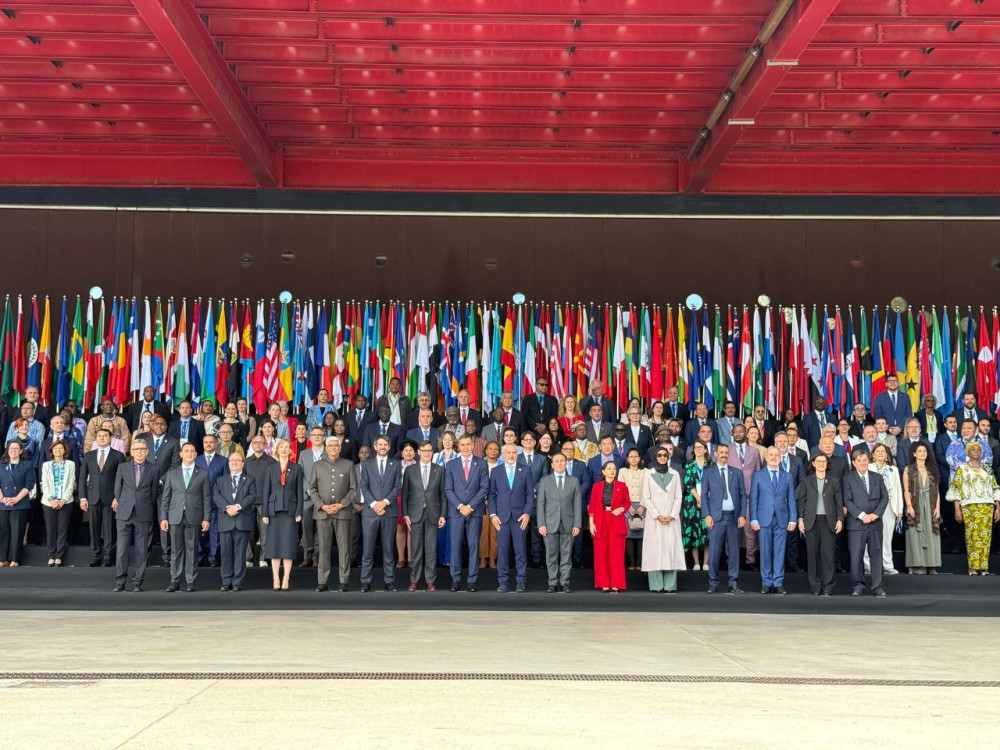
He led the ICAPP/ACC delegation to MONDIACULT 2025, held from Sept. 29 to Oct. 1. According to an ACC press release, the conference adopted the MONDIACULT 2025 Outcome Document, which reaffirmed the role of culture in advancing peace and sustainable development, and stressed the need for cultural preservation through education, innovation, and environmental initiatives that respond to technological and societal changes.
By C. Nika