KH
KH  FR
FR  AR
AR CN
CNThree New Millipede Species for the World Discovered from Cambodia’s Karst
AKP Phnom Penh, September 20, 2025 —
Fauna & Flora, together with a team of international researchers and Ministry of Environment, has announced the discovery of three new millipede species for the world in the karst landscapes of Battambang and Kampot,
Cambodia.
According to a press release issued this morning, the three new discovered millipede species include:
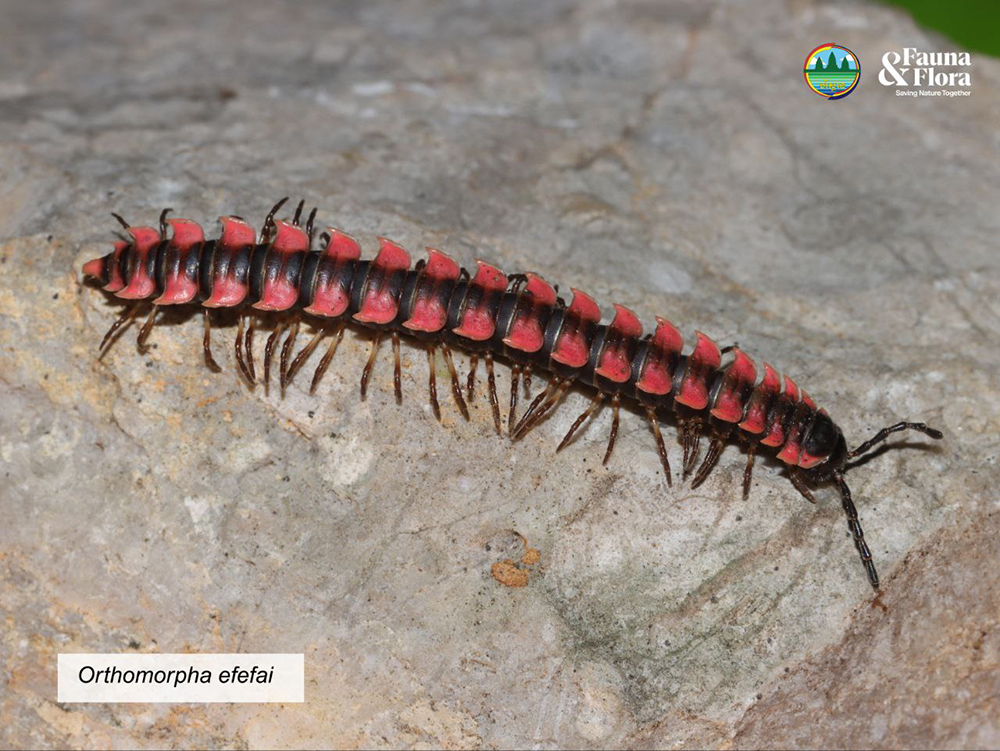
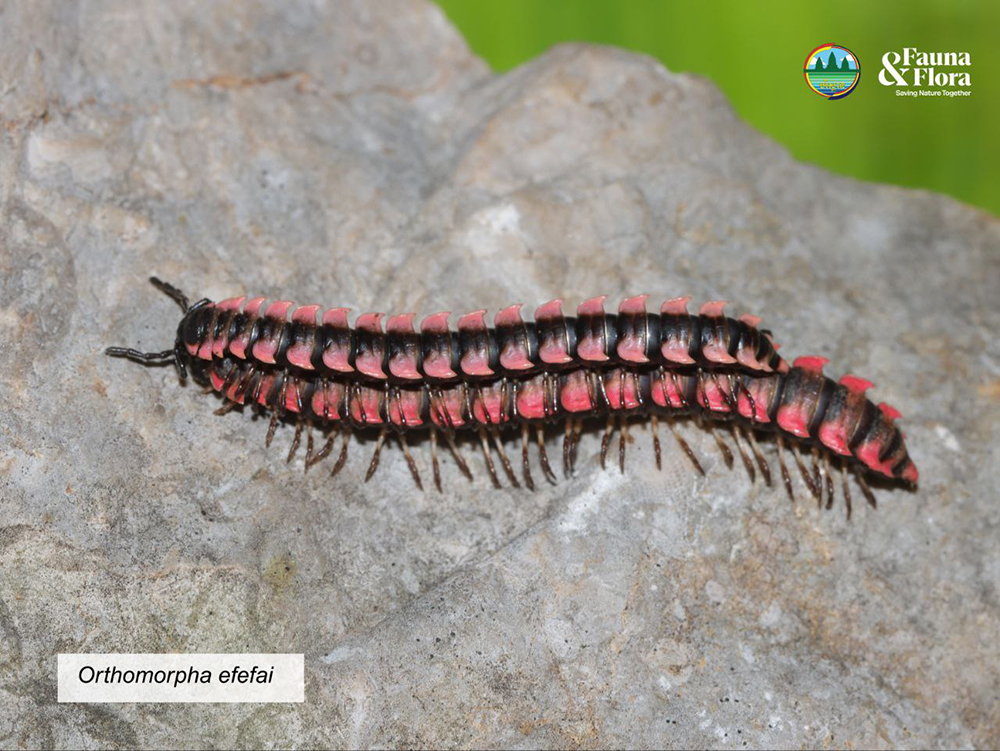
1. Orthomorpha efefai, discovered in Battambang in 2024, was named “efefai” in honour of Fauna & Flora, recognising the organisation’s commitment to biodiversity conservation.
2. Orthomorpha tergoaurantia, discovered in Kampot, was named “tergoaurantia” for its striking orange-colored back.
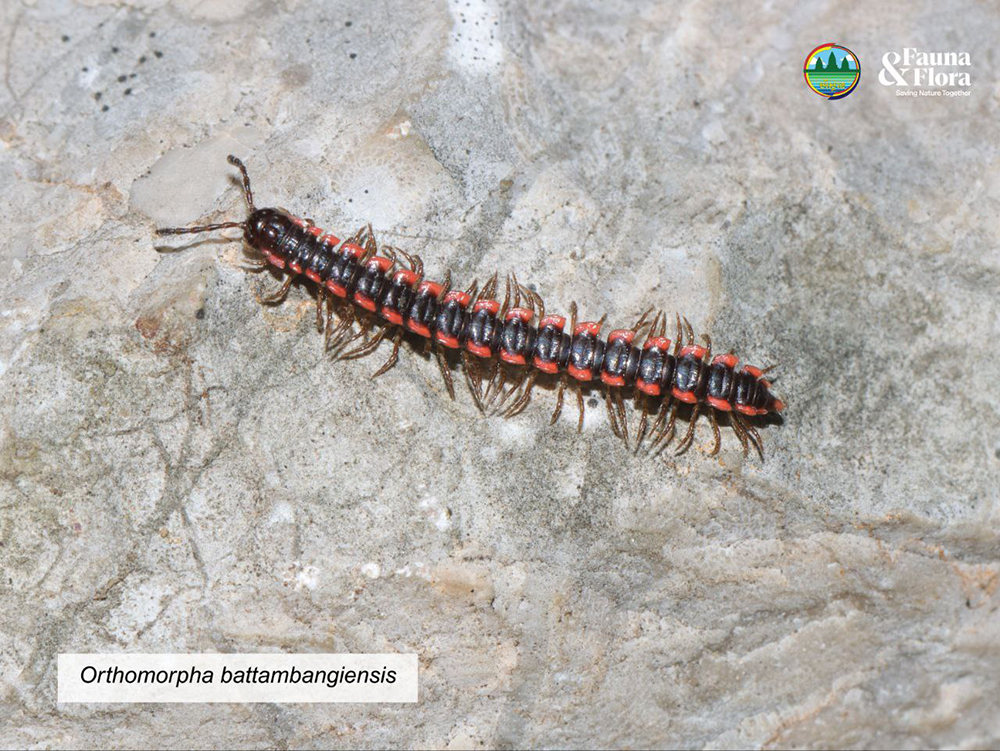
3. Orthomorpha battambangiensis, discovered in Battambang, was named “battambangiensis” from the type locality “Battambang Province.
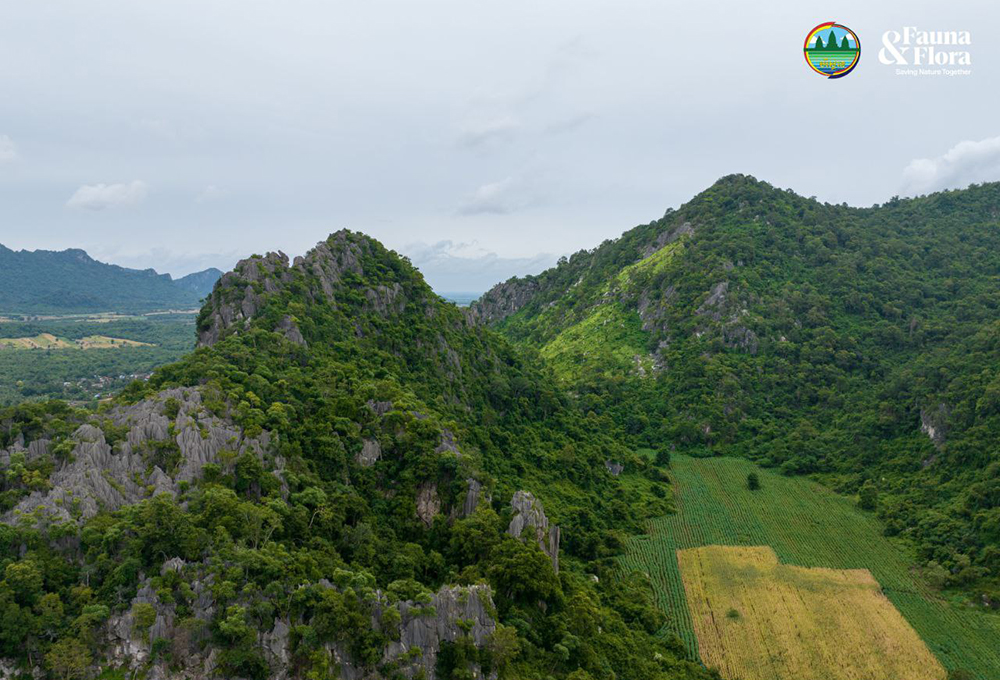
Two of these species, part of Fauna & Flora’s work, were identified through extensive fieldwork conducted in 2024 in the karst areas of Banan district, Battambang province.
These discoveries bring the total number of Orthomorpha species documented in Cambodia from three to six and significantly expand the known diversity of the genus Orthomorpha in the country. The findings, published in the peer-reviewed journal ZooKeys, mark a major milestone in the study of Cambodia and Southeast Asian biodiversity.
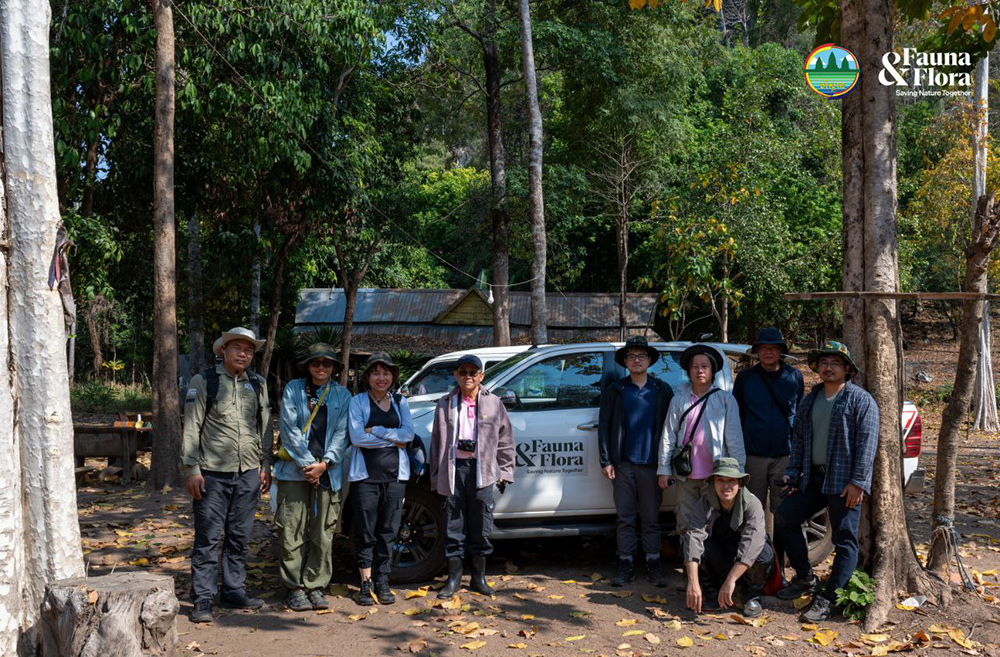
The research was carried out by an international team of scientists from the Ministry of Environment (Cambodia); Fauna & Flora; Maejo University, Chulalongkorn University, Mahidol University, and Khon Kaen University; and the Institute of Ecology and Evolution,
Russian Academy of Sciences.
The discovery of this new species highlights the importance of protecting Cambodia’s karst landscapes, which serve as vital habitats for biodiversity and may provide experts with opportunities to discover more species new to science. However, these landscapes are increasingly threatened by mining, agricultural expansion, and unsustainable development.
Protecting these areas is essential not only for biodiversity conservation but also for preserving critical ecosystems and cultural heritage.
The research was funded by European Union (EU) support through Bcoming project.
By C. Nika