KH
KH  FR
FR  AR
AR CN
CNCMAC Chief: Thai Cluster Munitions Cause Severe Humanitarian, Socioeconomic Crises in Cambodia
AKP Phnom Penh, August 8, 2026 —
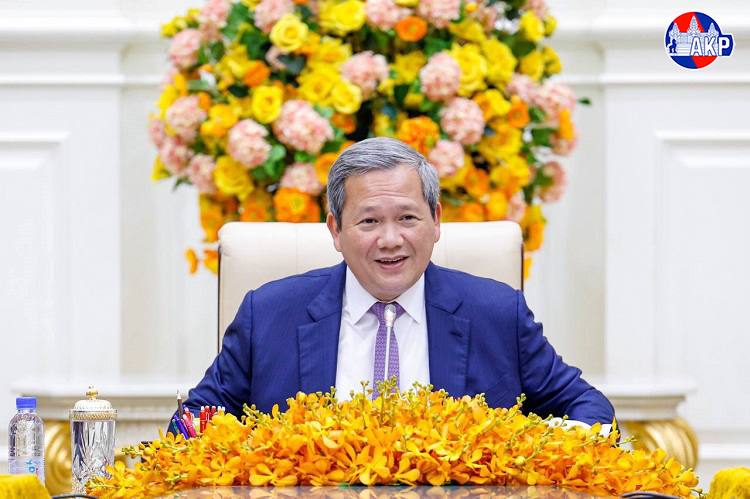
H.E. Heng Ratana, Director General of the Cambodian Mine Action Centre (CMAC), warned that Thai military cluster munitions deployments have inflicted a severe humanitarian crisis and long-term socioeconomic threat on Cambodia.
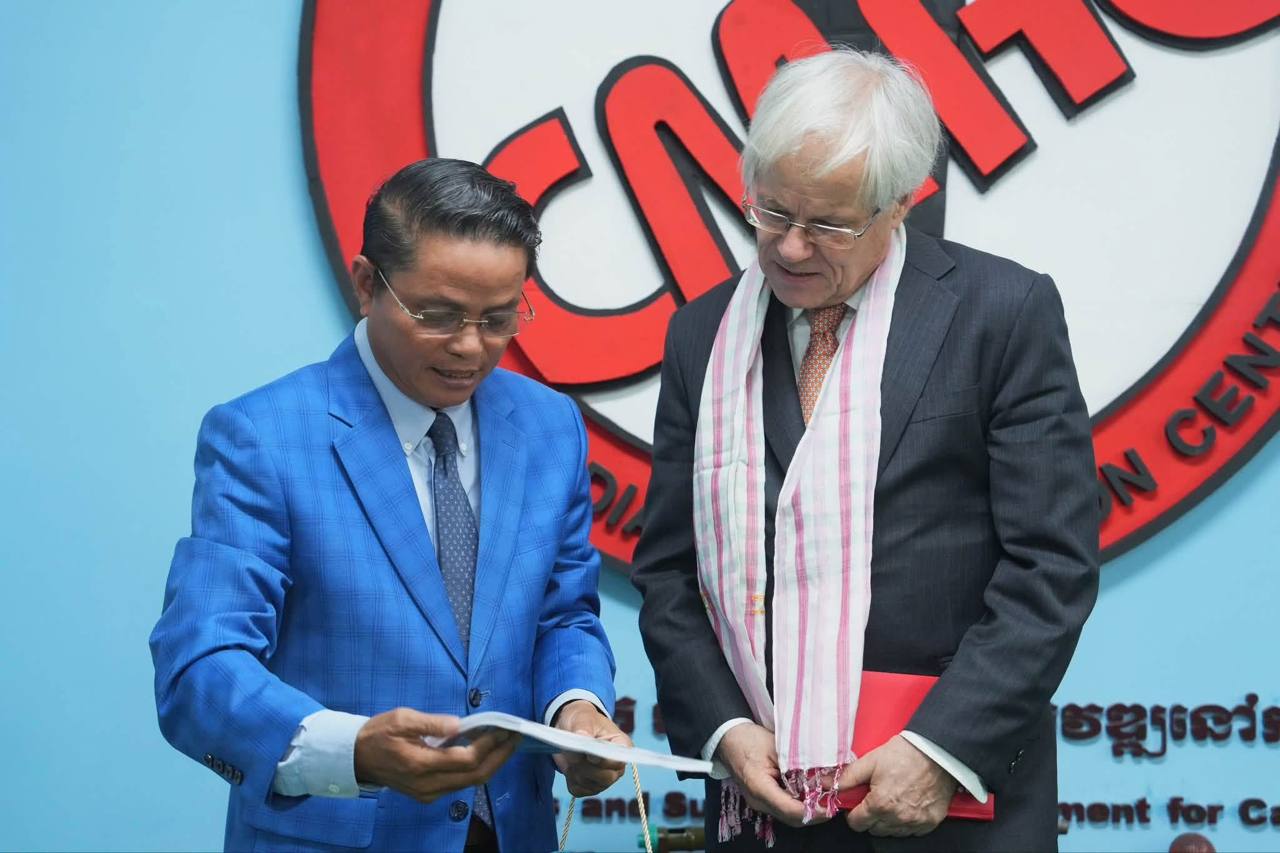
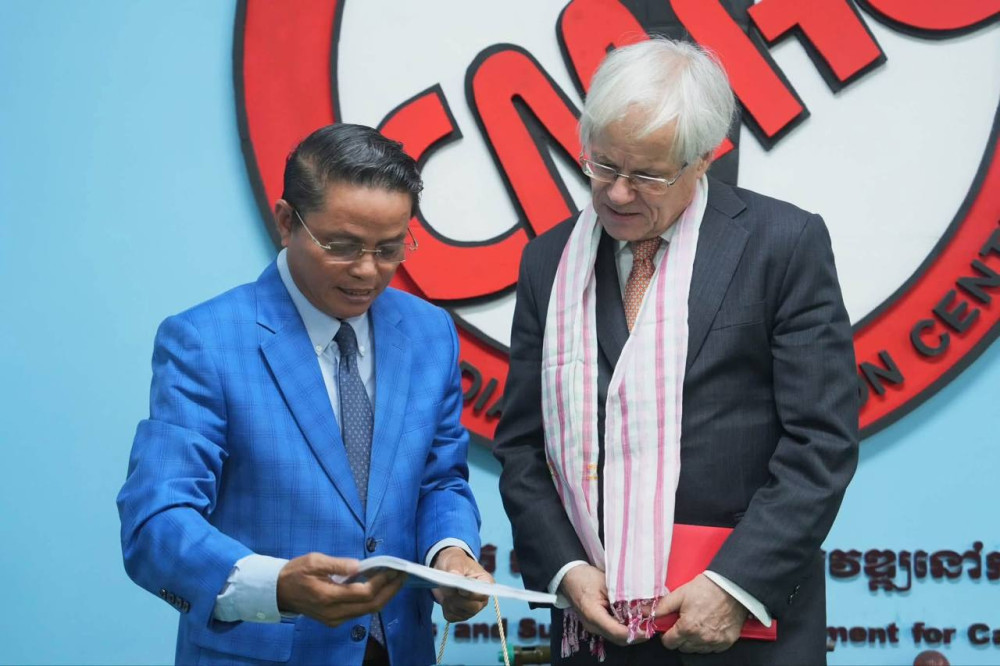
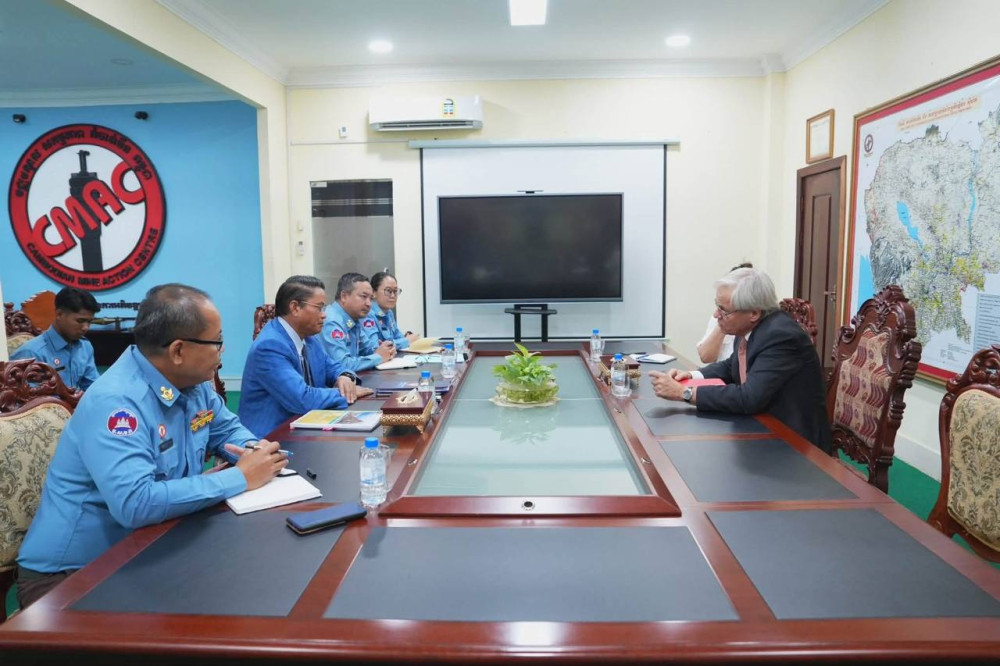
The remarks were made during an Aug. 6 courtesy call and working meeting at the CMAC Headquarters in Phnom Penh with a delegation from the International Committee of the Red Cross (ICRC). The ICRC delegation was led by Geneva-based Safety and Crisis Management Adviser Mr. Alain Aeschlimann alongside Dorsa Nazemi-Salman, Head of the ICRC Delegation in Cambodia.
During the meeting, the Director General briefed the delegation on the remnants of war resulting from Thai aggression, including the deployment of internationally banned munitions such as chemical weapons and cluster bombs targeted indiscriminately against both civilian and military positions.
A recently completed survey across 335 affected villages identified 5,348 contaminated polygons spanning 3,872 square kilometres. Cluster munition contamination accounts for 3,858 of these polygons, covering nearly 2,700 square kilometers.
Estimates indicate that approximately 6 to 7 million unexploded submunitions—specifically modern M42, M46, and M85 types—remain scattered across residential areas and farmland in the surveyed villages.
This modern cluster bomb contamination makes Cambodia's current situation among the world's most severe. By comparison, during the 34-day Israel-Lebanon war in 2006, Israel deployed roughly 4 million cluster submunitions, leaving an estimated 1 million unexploded (a 40 percent failure rate). An additional 14 frontline villages along the border have yet to be surveyed.
H.E. Heng Ratana emphasised to the ICRC representatives that the deployment of cluster munitions near schools, villages, pagodas, farmland, and public infrastructure reflects a calculated military strategy to trigger immediate and long-term humanitarian and economic crises in Cambodia, in direct violation of the Convention on Cluster Munitions.
The CMAC Chief expressed gratitude to the ICRC for its neutral humanitarian mediation under international protocols, which facilitated the release of 18 Cambodian military personnel abducted by Thai forces following the entry into force of a ceasefire.
He further urged the ICRC to continue actively supporting displaced Cambodian civilians returning home, to hold the Thai side accountable for the destruction of homes and crops, and to press Thailand to strictly adhere to international conventions banning cluster munitions and chemical weapons.
By K. Rithy Reak